
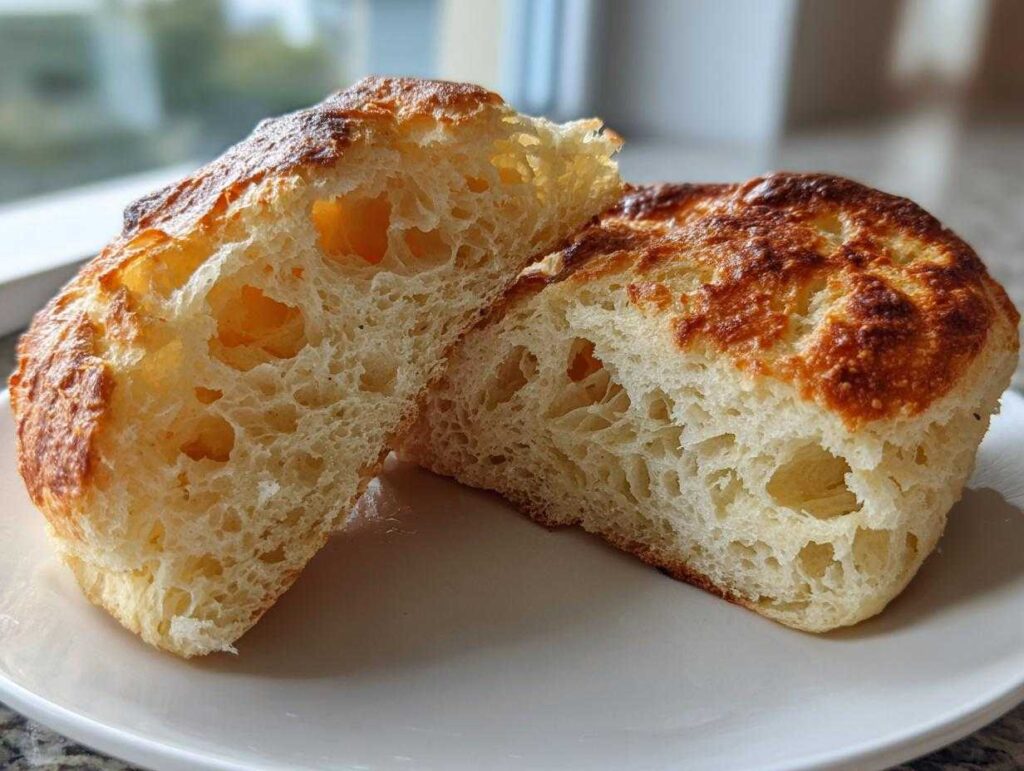
Forget everything you thought you knew about disappointing, dry store-bought bread! Seriously, being able to pull off bakery-quality breakfast at home is one of the most rewarding feelings in the kitchen, and today, we are tackling the king of breakfast carbs: english muffins. I spent ages tweaking my grandmother’s yeast bread methods just to nail this recipe. Trust me, achieving those perfect, airy nooks and crannies inside a muffin that is soft and wonderfully fluffy is absolutely possible, and it tastes a million times better than anything in a plastic bag. For the full rundown on how I perfected this, check out my deep dive on getting those perfect nooks! Get ready, because we are making the best english muffins together!
- Why This is the Best English Muffin Recipe from Scratch
- Gathering Ingredients for Fluffy Homemade English Muffins
- Step-by-Step Instructions: How to Make English Muffins
- Tips for Success with Your English Muffins
- Variations: Sourdough English Muffins Option
- Serving Suggestions for Your Fresh English Muffins
- Storage and Make Ahead Tips for English Muffins
- Frequently Asked Questions About Homemade English Muffins
- Share Your Perfect English Muffins!
Why This is the Best English Muffin Recipe from Scratch
I can wholeheartedly say this is the best english muffin recipe you will ever try because we tackle texture head-on! Many store-bought versions are dense or, worse, flavorless cardboard. But here, we aim for restaurant quality english muffins—soft and so wonderfully fluffy on the inside but with that signature, craggy chew. The real secret sauce, besides the yeast doing its job, is keeping things very gentle. That means hardly any kneading, which is vital for keeping those air pockets intact. Also, skipping the oven entirely for the main cooking phase makes these so much easier for everyone! Speaking of soft texture, if you love a good fluffy bread, you have to check out my recipe for soft, fluffy homemade raisin bread.
Achieving Perfect Nooks and Crannies in Your English Muffins
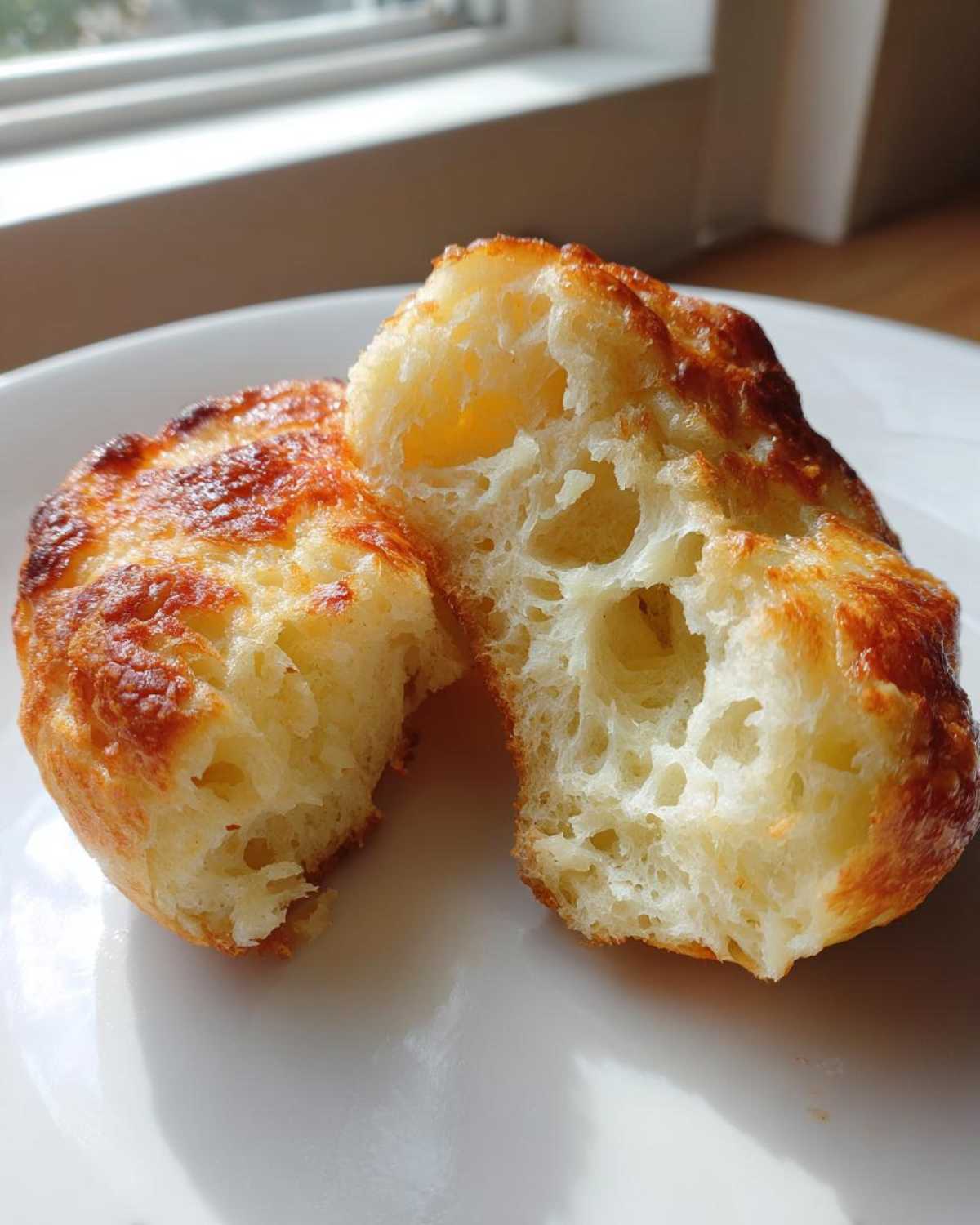
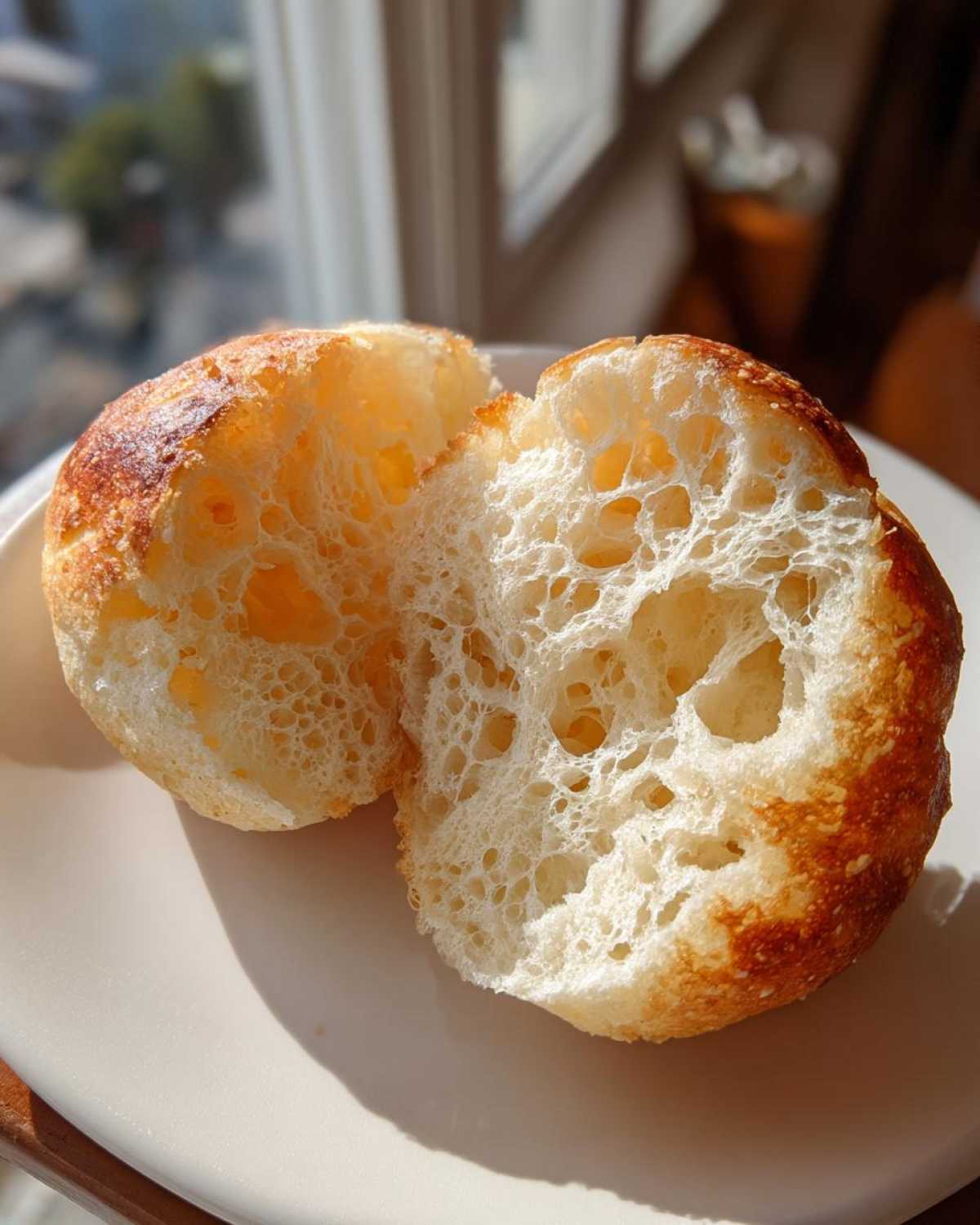
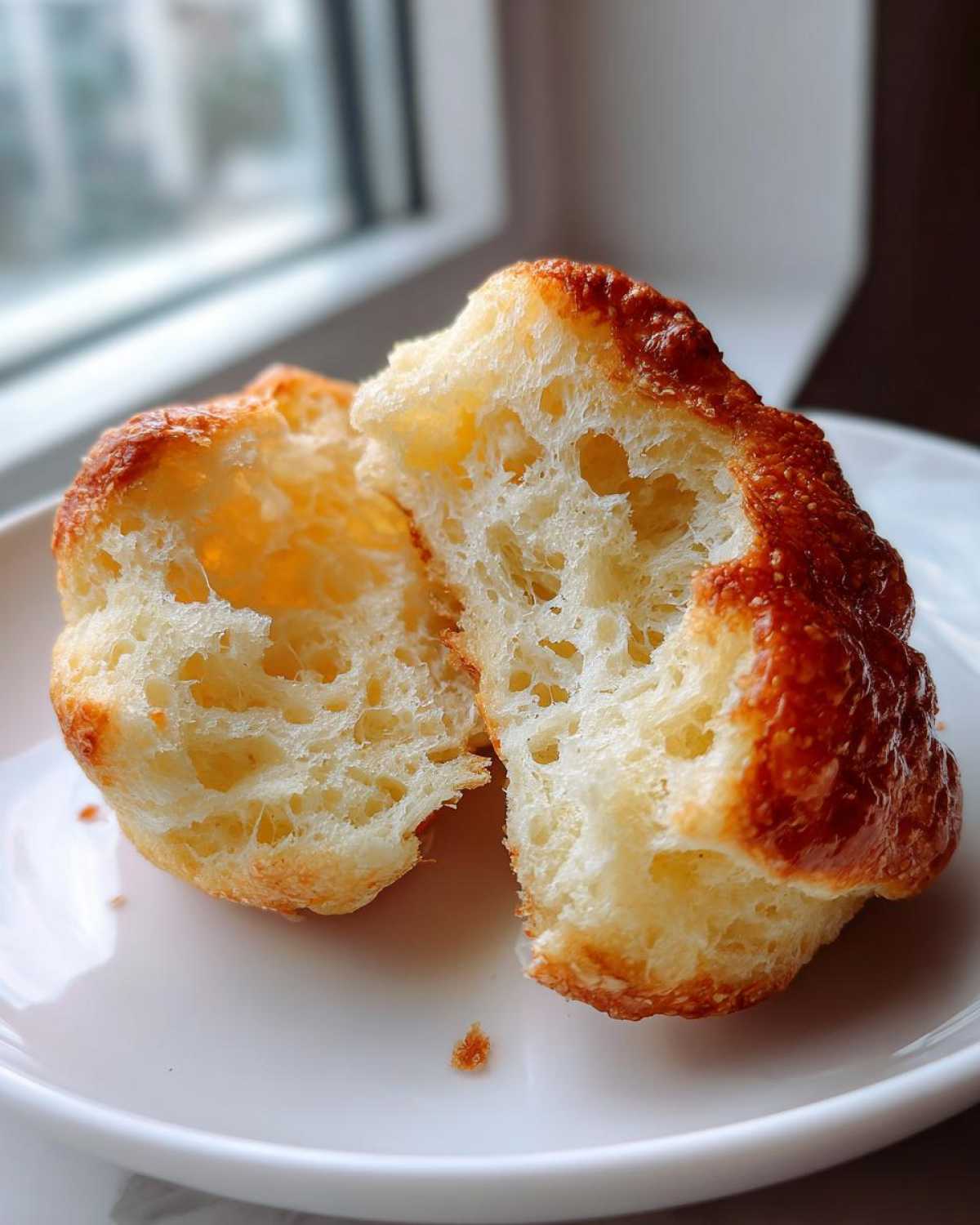
You want to see those holes, right? That’s the *only* way to prove you made them properly! Those glorious nooks and crannies aren’t random; they are a direct result of a few key things. First, you must resist the urge to over-knead the dough. We want gluten development, yes, but we need pockets of air, not a tight, uniform structure. Second, that second rise, or proofing step, is non-negotiable. It gives the yeast time to create those gas bubbles. Finally, don’t be shy with the cornmeal when you place them on the griddle! That little bit of coarse dusting keeps the surface from sealing completely, allowing those beautiful tunnels to form while they cook low and slow. It’s science meeting breakfast magic!
Gathering Ingredients for Fluffy Homemade English Muffins
Okay, the best part about making english muffins completely from scratch is realizing you probably have all the good stuff hiding in your pantry already! This recipe relies on simple, quality components to achieve that fluffy heaven we are after. You won’t need any crazy additives here, just the basics handled with intention. If you want to see how I handle simple ingredients for other flaky baked goods, check out my buttermilk biscuits recipe!
Here is what you are grabbing:
- You absolutely need 1 cup of warm milk, and I mean *warm*—think 105 to 115 degrees Fahrenheit. Too hot kills your yeast, which means no rise!
- We activate that yeast with 2 and 1/4 teaspoons of active dry yeast and 1 tablespoon of granulated sugar.
- For structure, whip up 3 cups of all-purpose flour, making sure you grab extra just for dusting later.
- Don’t forget 1 teaspoon of salt for flavor balance.
- Next, 2 tablespoons of unsalted butter, melted down carefully.
- And finally, for the cooking surface, you’ll want extra flour or some cornmeal, which I think is the true secret to keeping them from sticking and maximizing that gorgeous texture.
Step-by-Step Instructions: How to Make English Muffins
Ready to see the magic happen? Seriously, making perfect english muffins is more about gentleness than brute force. Follow these steps exactly, and you’ll be amazed at what comes out of your skillet! If you’re new to yeast, don’t sweat it; this is one of the most forgiving easy yeast recipes out there. Once you master these steps, you’ll be ready for other fun baking projects, like my cast iron skillet cornbread! For tons more insights on handling this wonderful bread starter, check out all my favorite easy yeast recipes!
Mixing and the First Rise for Your English Muffins
First things first, we need to wake up that yeast! In your big mixing bowl, combine your warm milk, sugar, and yeast. Give it a quick stir and just wait about 5 to 10 minutes. If it gets foamy and bubbly on top, yay, you’re good to go! Now, toss in the melted butter and salt, followed by 2 cups of your flour. Start mixing until it barely comes together. Now, add that last cup of flour gradually. You want a shaggy, sticky dough—don’t fight it! Turn that out onto a floured surface and knead it super lightly for just 3 to 5 minutes until it smooths out a little bit. Don’t work it too hard, or you’ll crush those future nooks! Pop it into an oiled bowl, cover it up, and let it hang out in a warm spot for 1 to 1.5 hours until it’s doubled up in size.
Shaping and Proofing the English Muffins
Once it has puffed up nicely, go ahead and gently punch the air out. Turn the dough onto a surface you have dusted *generously* with flour. You are not rolling this out thin; just pat or lightly roll it until it’s about half an inch thick. Grab a 3-inch round cutter—a sturdy glass rim works great if you don’t have one—and start cutting out your rounds. Collect those scraps, give them a quick press together, and see if you can cut one or two more. Now, this is important: place those cut rounds onto a baking sheet that you have HEAVILY dusted with cornmeal or more flour. Cover them loosely and let them rest for a full 30 minutes. This short nap before cooking helps them stay super fluffy!
Cooking the English Muffins on the Stovetop
Time to cook! Heat up a big, dry skillet or griddle. The heat level here is critical—set it to medium-low. I cannot stress this enough: if the heat is too high, the outside will burn instantly, and the inside will still be raw dough. We want low and slow! Lay your rounds on the hot surface, leaving a little space between each muffin. Cook them for a solid 8 to 12 minutes per side. You are looking for a nice, even golden brown. If they look done on the outside but feel suspiciously uncooked in the center, you can move them to a 350°F oven for about 5 minutes just to finish them off, but usually, patience on the griddle does the trick. Once they cool completely, split them open with a fork to reveal those fantastic tunnels!
Tips for Success with Your English Muffins
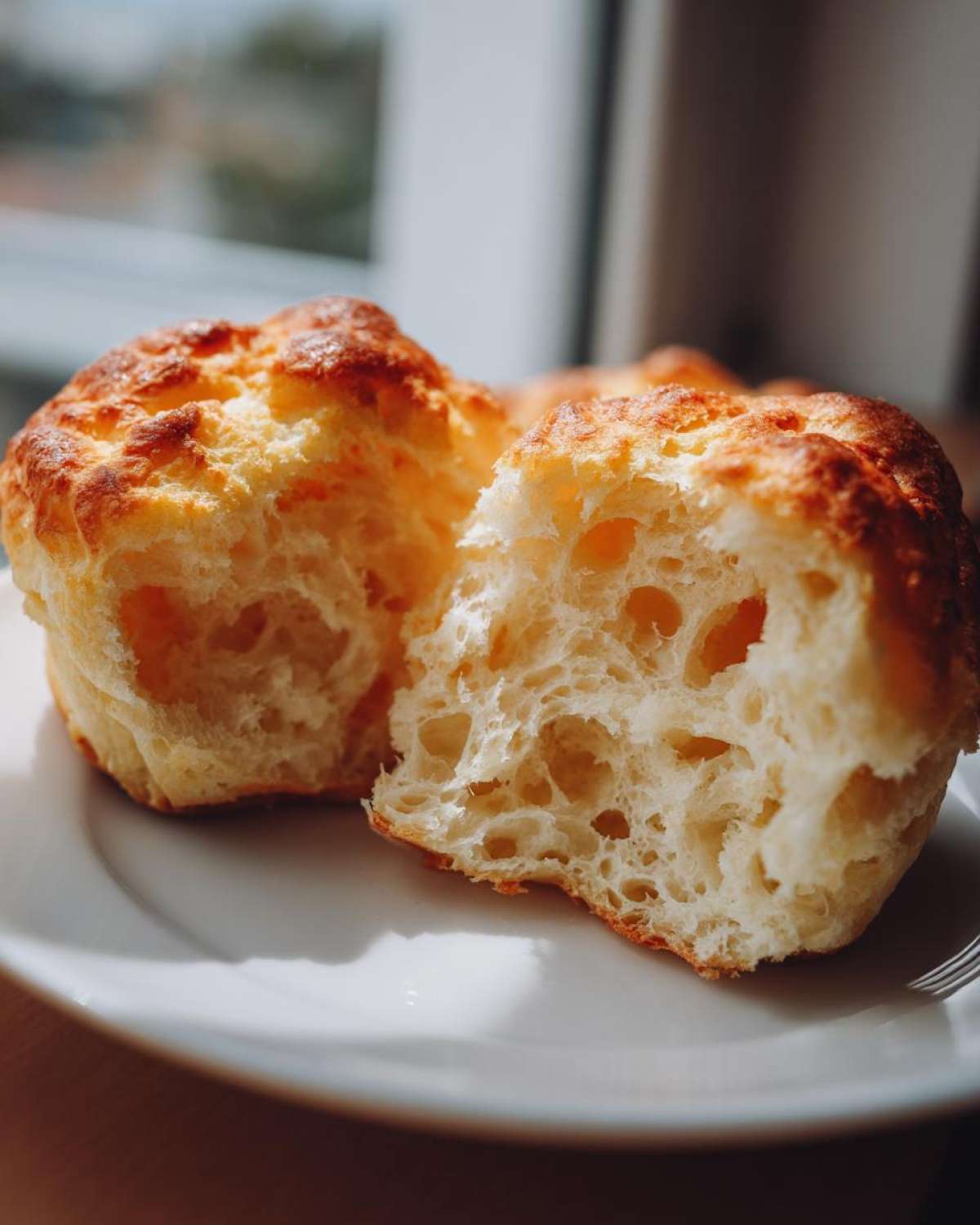
Listen, I want every batch of your english muffins to be absolutely perfect, the kind that makes your weekend brunch legendary! Since you’ve already taken the time to make them from scratch, let’s make sure you get those stunning results every single time. The biggest mistake I see people make is thinking they need high heat on the griddle. Nope! That is the express lane to burnt exteriors and raw centers. Keep your burner low—medium-low is plenty—and let the heat work its magic slowly for those 8 to 12 minutes per side. This low-temp toasting is what allows the inside structure to fully expand, giving you that soft, fluffy result.
Remember those little guys from the notes section? Cornmeal is your best friend here. Don’t just flour your counter; dust your cooking surface heavily with cornmeal. It prevents sticking beautifully and actually encourages those famous nooks and crannies to form as the muffin cooks. And once they are cooled down—and they *must* be cooled completely—do not, I repeat, do NOT slice them open with a knife. That smashes all the air out! You need to use a fork to gently pierce around the circumference and then pull them apart. That fork splitting technique is how you reveal all those beautiful tunnels! If you want to check out another simple baking project that yields great results, take a peek at my chewy granola bars!
Variations: Sourdough English Muffins Option
I know many of you sourdough fanatics out there are always wondering how to convert a trusty yeast recipe, and I happily have the answer for your favorite breakfast treat! You absolutely can turn these into wonderful sourdough english muffins using your discard. It’s a fantastic way to use up that starter that’s just sitting in the fridge, and it adds such a lovely background tang that cuts through the richness. For this adjustment, you’re going to swap out 1 cup of the all-purpose flour and reduce the yeast slightly. Because sourdough prefers a cooler, slower fermentation, you will need to let your dough rise for quite a bit longer the first time around.
I love experimenting with wild yeast! If you’ve been looking for other ways to use up that starter, my recipe for fluffy sourdough discard pancakes is a real winner on a slow Sunday morning. Giving your bread that natural lift brings a whole new dimension to your english muffins, creating a texture that is somehow both sturdy and light all at once!
Serving Suggestions for Your Fresh English Muffins
Now that you have these gorgeous, craggy beauties fresh off the griddle, what are you going to do with them? Oh my gosh, the possibilities are endless! If you are serving them straight up, you *have* to toast them until they are perfectly golden. The second they are warm, slather on some good salted butter—it melts right into all those nooks, which is just heavenly. A good spoonful of homemade jam or even some lemon curd is also incredible.
But let’s talk about what truly elevates these: the breakfast sandwich! These breakfast sandwich bread creations are why we bake them, right? Think thick slices of sharp cheddar, a perfectly fried egg, and maybe a slice of Canadian bacon or some crispy ham. I love making an extra-large batch just so I can prep sandwiches for the entire week. Since these are so much better than anything store-bought, they make even a Tuesday feel like a little celebration. If you’re feeling adventurous, you can even use these as a base for savory snacks—I have an amazing Teriyaki sauce recipe that works surprisingly well if you top the muffin with some shredded chicken!
Storage and Make Ahead Tips for English Muffins
One of the major perks of tackling homemade baking is turning it into genuinely satisfying make ahead breakfast ideas! These english muffins freeze like a dream, so don’t feel like you need to eat all ten in one day, although you might be tempted! The absolute number one rule is patience here: they must be cooled completely on a wire rack before you even think about bagging them up. If you wrap them while they are warm, you trap moisture, and that leads to sad, soggy muffins.
Once totally cool, stack them up and pop them into a heavy-duty freezer bag. Squeeze out as much air as you can before sealing. They keep beautifully for up to three months this way! When you are ready for one, just pull one or two out and toast them straight from frozen—it works perfectly every time. They taste just as amazing as when they were fresh! If you’re looking for more easy recipes to make ahead, you should definitely come see what I’ve pinned over on my Pinterest page!
Frequently Asked Questions About Homemade English Muffins
I know you might have a few little questions swirling around about making these fantastic english muffins, so let’s clear them up right now! I want to make sure your first batch is a huge triumph. I’ve pulled some of the most common things people ask me after they see the recipe for my easy breakfast casserole, because making bread is always a little different than baking a cake!
Can I skip the stovetop and just bake my English Muffins?
You absolutely *can*, but I strongly advise against it if you want the authentic feel! Baking will give you a soft, fluffy roll, kind of like a biscuit, but it won’t develop the signature crust and those crucial, beautiful nooks and crannies we are aiming for. The low, dry heat of that skillet is what creates the classic texture. If you skip it, you end up with soft homemade bread, which is great, but it won’t be a true English Muffin!
Why aren’t my English Muffins getting those classic nooks and crannies?
Ah, the age-old question! Usually, it comes down to two things: over-kneading or too much heat. If you knead the dough too long—say, ten minutes instead of the gentle 3 to 5 I recommended—you work out all the air. Also, if your griddle is too hot, the outside seals instantly before the gases inside have time to bubble through. Try sprinkling a little more cornmeal on the pan next time and turning your heat down a notch. That slow cook time is everything!
Can I use bread flour instead of all-purpose flour?
That’s a great question! You can certainly try it, but you have to be extra careful. Bread flour has higher protein, which means more gluten development. Since we want these english muffins to stay soft and tender, sticking to all-purpose flour minimizes the risk of ending up with tough muffins. If you do use bread flour, knead it for as short a time as possible to keep that desired fluffiness!
Can I freeze these homemade English Muffins?
Yes! That is the best part about making a big batch. Once they are completely cool, bag them up tightly. They are perfect make ahead breakfast ideas. They last great in the freezer for about three months, and you can toast them right from frozen—they taste almost brand new! If you’re looking for more easy recipes to make ahead, you should definitely come see what I’ve pinned over on my Pinterest page!
Share Your Perfect English Muffins!
Now that you’ve mastered the art of the stovetop toast, I truly want to see what you create! Baking is always more fun when we can share the joy, so if you whip up a batch of these incredible english muffins—especially if you get those incredible, huge nooks—please snap a picture and tag me on social media! Seeing your successful homemade bread makes my whole week.
If this recipe brought restaurant-quality breakfast into your house, please leave a rating and review right here on the blog; it helps other bakers feel confident trying out this recipe. And hey, if you haven’t already, come hang out with me and see what other amazing bread and breakfast ideas I’m pinning daily over on my Pinterest boards! Happy baking, and enjoy every single toasty bite!
PrintThe Ultimate Fluffy Homemade English Muffins (Stovetop Finish)

Make restaurant-quality, fluffy homemade English muffins right in your kitchen. This easy, step-by-step recipe guarantees you achieve those classic nooks and crannies perfect for toasting or breakfast sandwiches.
- Prep Time: 25 min
- Cook Time: 30 min
- Total Time: 1 hour 55 min
- Yield: 10 muffins 1x
- Category: Breakfast
- Method: Stovetop Cooking
- Cuisine: American
- Diet: Vegetarian
Ingredients
- 1 cup warm milk (about 105-115°F)
- 2 1/4 teaspoons active dry yeast
- 1 tablespoon granulated sugar
- 3 cups all-purpose flour, plus more for dusting
- 1 teaspoon salt
- 2 tablespoons unsalted butter, melted
- Extra flour or cornmeal for dusting/cooking
Instructions
- Activate the yeast: In a large bowl, combine the warm milk, sugar, and yeast. Let this mixture sit for 5 to 10 minutes until it becomes foamy.
- Mix the dough: Add the melted butter, salt, and 2 cups of the flour to the yeast mixture. Mix until just combined. Gradually add the remaining 1 cup of flour until a shaggy, slightly sticky dough forms.
- Knead lightly: Turn the dough out onto a lightly floured surface. Knead gently for about 3 to 5 minutes until the dough is somewhat smooth. Do not over-knead; you want a soft texture.
- First rise: Place the dough in a lightly oiled bowl, turning to coat. Cover the bowl with plastic wrap or a clean towel and let it rise in a warm spot for 1 to 1.5 hours, or until doubled in size.
- Shape the muffins: Gently punch down the dough. Turn it out onto a surface dusted generously with flour. Pat or lightly roll the dough to about 1/2 inch thickness. Use a 3-inch round cutter (or a glass rim) to cut out the rounds. You can re-roll the scraps once.
- Second rise (proofing): Place the cut rounds on a baking sheet heavily dusted with cornmeal or flour. Cover loosely and let them rest for 30 minutes. This step is key for fluffy results.
- Cook on the stovetop: Heat a large, dry griddle or heavy skillet over medium-low heat. Place the rounds on the hot surface, leaving space between them. Cook for 8 to 12 minutes per side. The heat must be low enough so the muffins cook through without burning the exterior. They should be golden brown.
- Finish cooking: If the muffins are cooked through but still pale, you can finish them in a 350°F oven for 5 minutes, or continue cooking very slowly on the griddle until done.
- Cool and split: Cool the cooked English muffins completely on a wire rack. To get the famous nooks and crannies, split them open using a fork, not a knife. Toast before serving.
Notes
- For the best nooks and crannies, use cornmeal liberally on your work surface and the cooking griddle.
- If you want to make sourdough english muffins, substitute 1 cup of active sourdough discard for 1 cup of the flour and reduce the yeast slightly, allowing for a longer initial rise time.
- These are excellent for make ahead breakfast ideas; cool completely, store in an airtight bag, and freeze for up to three months.
Nutrition
- Serving Size: 1 muffin
- Calories: 180
- Sugar: 2
- Sodium: 250
- Fat: 4
- Saturated Fat: 2
- Unsaturated Fat: 2
- Trans Fat: 0
- Carbohydrates: 32
- Fiber: 1
- Protein: 5
- Cholesterol: 10