
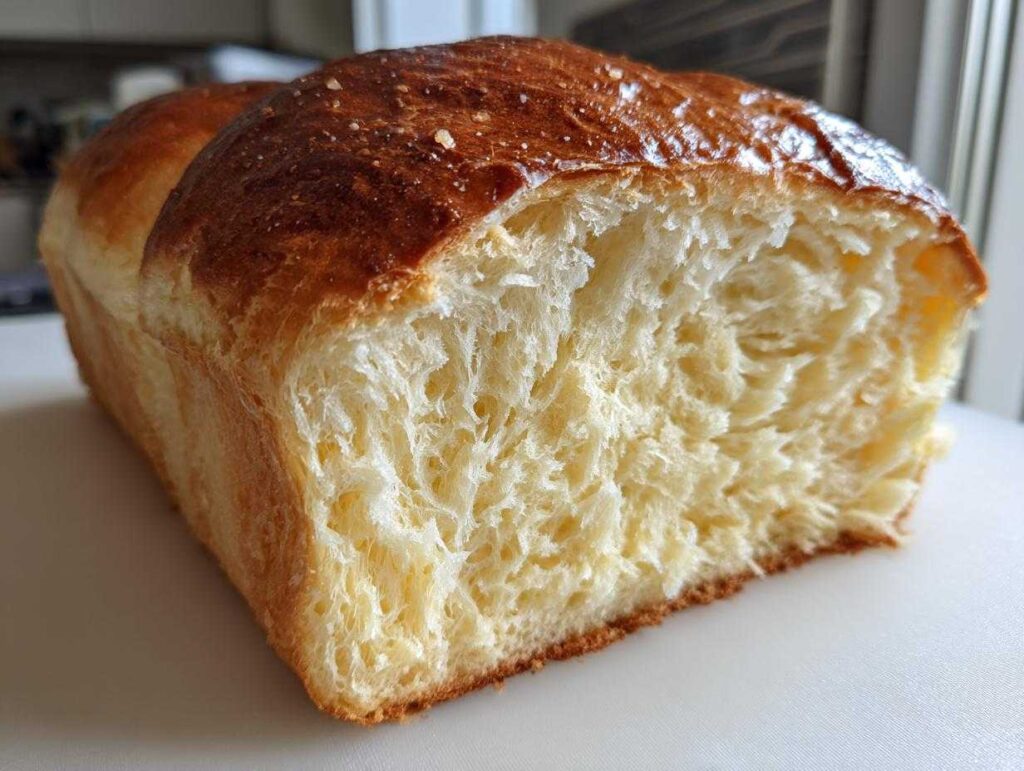
Are you ready to ditch those average, crumbly loaves and start baking bread so soft it genuinely feels like you’re slicing a cloud? I know, I know—bakery-quality bread seems intimidating, but trust me, once you master this japanese milk bread recipe, you’ll wonder why you waited so long! This isn’t just any soft bread; this is the ultimate fluffy, pillowy delight, and the secret ingredient that changes everything is the famous Tangzhong Method. Seriously, friends, achieving that signature stretch and that cloud bread texture is my favorite kitchen accomplishment, and I can’t wait to share exactly how we do it together. It’s so rewarding to make something this amazing at home; I even have a guide on homemade English muffins if you want to keep the fresh-baked magic going!
- Why This Ultimate Fluffy Japanese Milk Bread Recipe Works
- Gathering Ingredients for Your Japanese Milk Bread Recipe
- Step-by-Step Instructions for the Shokupan Recipe
- Tips for Perfect Japanese Milk Bread Success
- Variations: From Japanese Milk Bread Loaf to Fluffy Milk Bread Rolls
- Serving Suggestions for Your Homemade Japanese Bread
- Storage & Reheating Instructions for Tender Crumb Bread
- Frequently Asked Questions about Japanese Milk Bread
- Nutritional Snapshot of Japanese Milk Bread
- Share Your Pillowy Bread Creations!
Why This Ultimate Fluffy Japanese Milk Bread Recipe Works
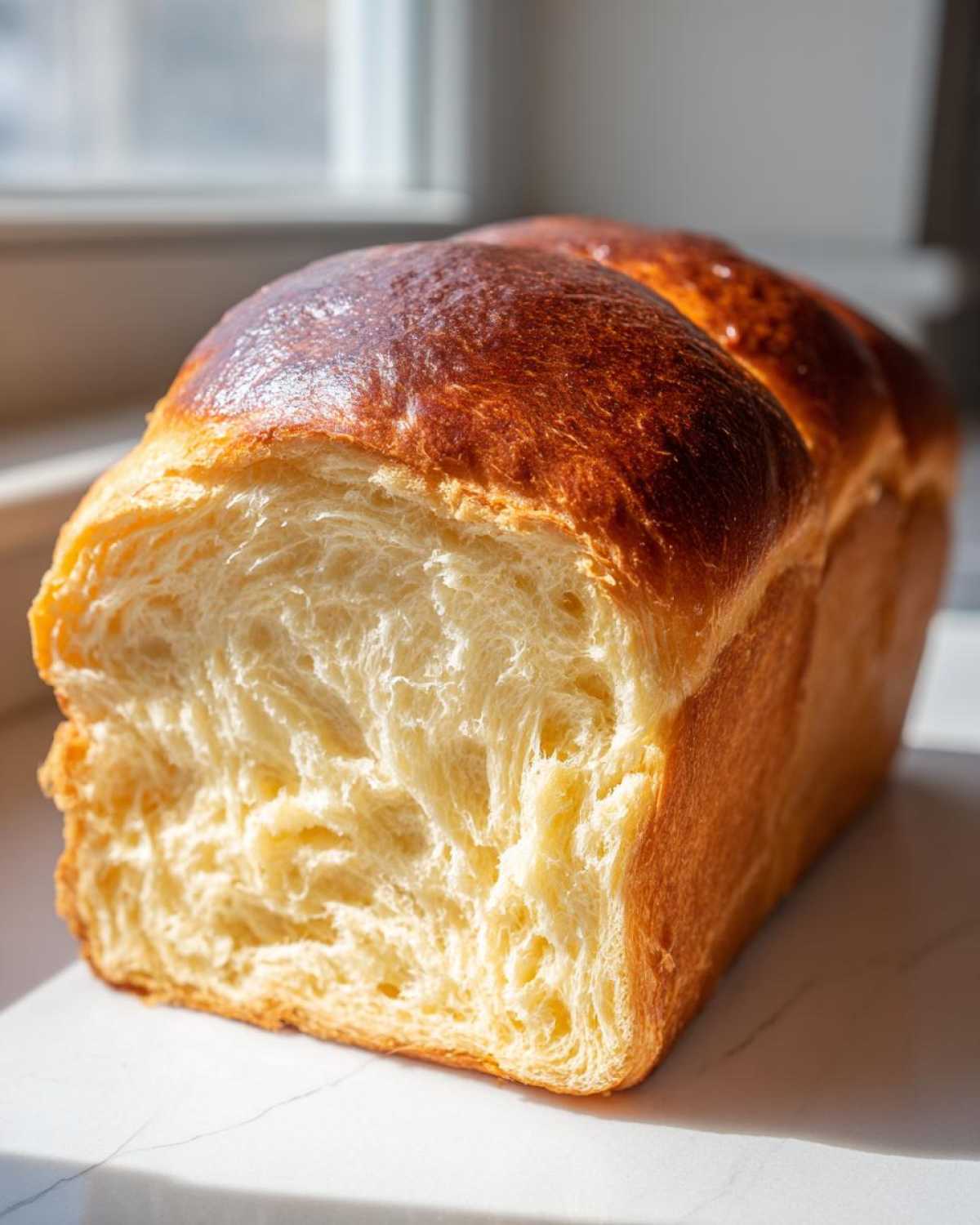
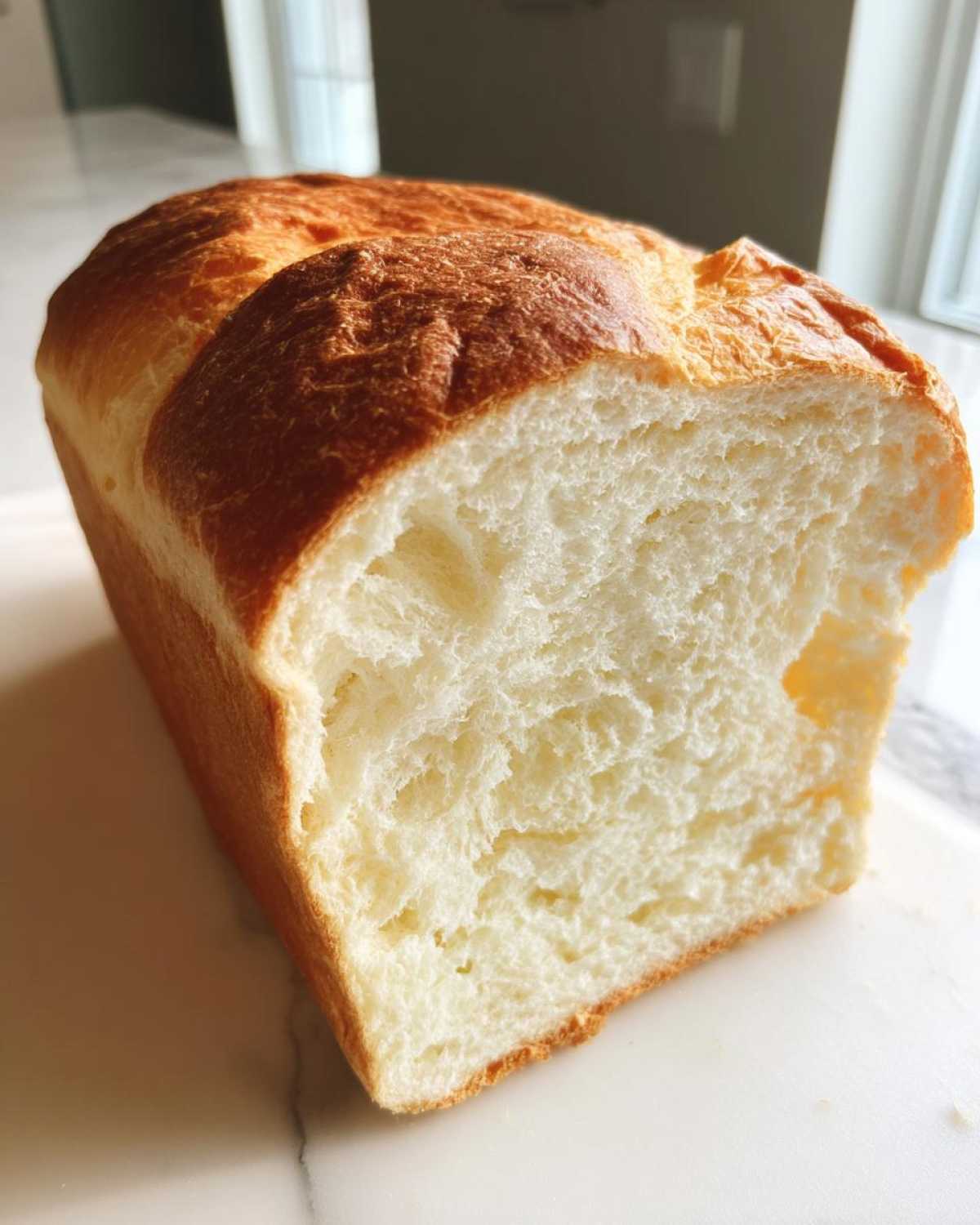
Okay, so why is this Japanese Milk Bread Recipe miles above your standard sandwich loaf? It all comes down to science, baby! We rely on the incredible Tangzhong Secret, which is a total game-changer for anyone chasing that incredibly soft fluffy bread experience. This starch-based paste does something amazing: it gelatinizes the starches in the flour. Think of it like a moisture magnet! It holds onto water so tightly that when the bread bakes, that water turns into steam, keeping every single crumb light, impossibly soft, and extending its freshness for days. This is exactly how you unlock that wonderful, pillowy texture we all dream about. If you love making things soft and creamy, you might want to check out my recipe for the best vanilla buttercream recipe too!
The Magic of the Tangzhong Method Bread
The preparation is simple but it’s crucial! You cook a small amount of flour with water over low heat until it forms this thick, shiny paste—that’s your Tangzhong. It looks a bit odd, almost like smooth wallpaper paste, but don’t fret! Once it’s cooled down completely, you mix it right into your main dough. This initial step is the foundation that supports that airy, cloud-like crumb you see in the best bakeries. It’s honestly worth the extra five minutes of stirring!
Gathering Ingredients for Your Japanese Milk Bread Recipe
Alright, let’s get our station prepped! You know I’m all about precision when it comes to baking, especially for that famous soft texture. We need to keep our ingredients organized because we’ll be adding them in stages. Having everything measured out ahead of time truly sets you up for success when tackling this Shokupan Recipe. It’s really just three simple groups here. If you’re looking for more milky goodness, you absolutely have to try my easy homemade strawberry milk recipe soon!
- For the Tangzhong (Water Roux): You just need 2 tablespoons of Bread Flour and 1/4 cup of Water. Super simple start!
- For the Main Dough: Grab 2 1/3 cups of Bread Flour, 1/4 cup of Granulated Sugar, 1 teaspoon of Salt, 1/2 cup of Milk (whole milk makes it richer, trust me!), 1 packet (that’s 2 1/4 teaspoons) of Active Dry Yeast, 1 large Egg that’s at room temperature, and 3 tablespoons of Unsalted Butter that is nice and softened.
- For the EGG WASH: Just whisk together 1 Egg Yolk and 1 teaspoon of Water for that beautiful golden shine.
Step-by-Step Instructions for the Shokupan Recipe
Now for the main event! You’ve got your ingredients ready, so let’s transform them into the softest, most beautiful loaf of Hokkaido Milk Bread you’ve ever seen. Since this is a detailed process, I’ve broken it down into a few manageable chunks. Don’t rush these rising times—that’s where the fluffiness is made! If you’re planning on having this bread with something savory later, you might want to check out my recipe for the best 5-minute homemade teriyaki sauce to drizzle on the side!
Making the Tangzhong (Water Roux)
This is the step we already prepped, but let’s review the mixing part. You need to whisk your flour and water together in that small saucepan until it’s super smooth—no lumps allowed! Cook this over low heat, stirring constantly. We are looking for it to thicken into a paste, ideally hitting about 140°F (60°C). Once it reaches that stage, pull it right off the heat! Cover the surface with plastic wrap touching the paste so it doesn’t form a dry skin, and let it cool completely before moving on. Cool is key here!
Mixing and Kneading the Soft Fluffy Bread Dough
Time to wake up the gluten! Get your stand mixer ready with the dough hook. Toss in your flour, sugar, and salt. Next, introduce the cooled Tangzhong, the yeast/milk mixture, and the egg. Mix low for about five minutes until it just starts clinging together. Now, add that softened butter. Crank it up slightly to medium-low and let it knead for a good 8 to 10 minutes. You’re looking for the dough to pass the windowpane test. That stretchiness is what gives you that dreamy Tender Crumb Bread texture!
First Rise and Shaping the Hokkaido Milk Bread Loaf
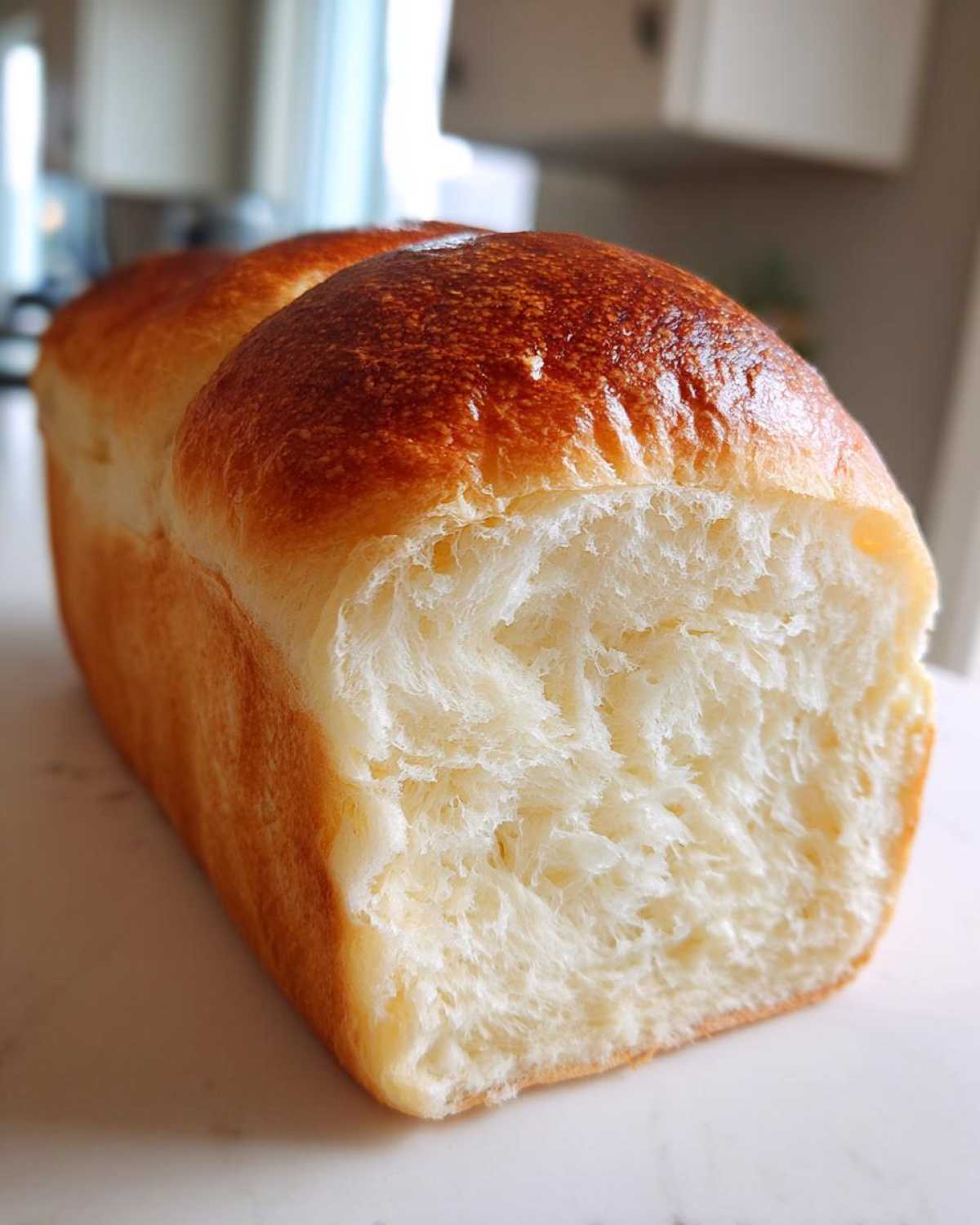
Once the dough is elastic and soft—and I mean *soft*—gently lift it out and tuck it into a lightly oiled bowl. Cover it up and let it chill out in a warm place until it’s doubled, which usually takes 1.5 to 2 hours. After it’s happy, gently punch the air out. Divide the whole thing into three equal pieces. Now, roll each piece snugly into a tight little log. I mean *tight*! Place those three logs side-by-side in your greased 9×5 inch loaf pan, seam-side down, ready for the next rest.
Second Rise and Baking for Bakery Style Bread at Home
Cover your loaf pan loosely so it doesn’t dry out, and let it rise again in a cozy spot for 45 to 60 minutes. You want it to peak about an inch above the rim of the pan—that’s visually how you know it’s perfect for going into the oven! Preheat your oven to 350°F (175°C). Brush that top lightly with your egg wash, then bake for 30 to 35 minutes. I always check the internal temp; shoot for 200°F (93°C) to guarantee that Bakery Style Bread at Home result. Don’t slice it until it’s totally cool, or it’ll deflate!
Tips for Perfect Japanese Milk Bread Success
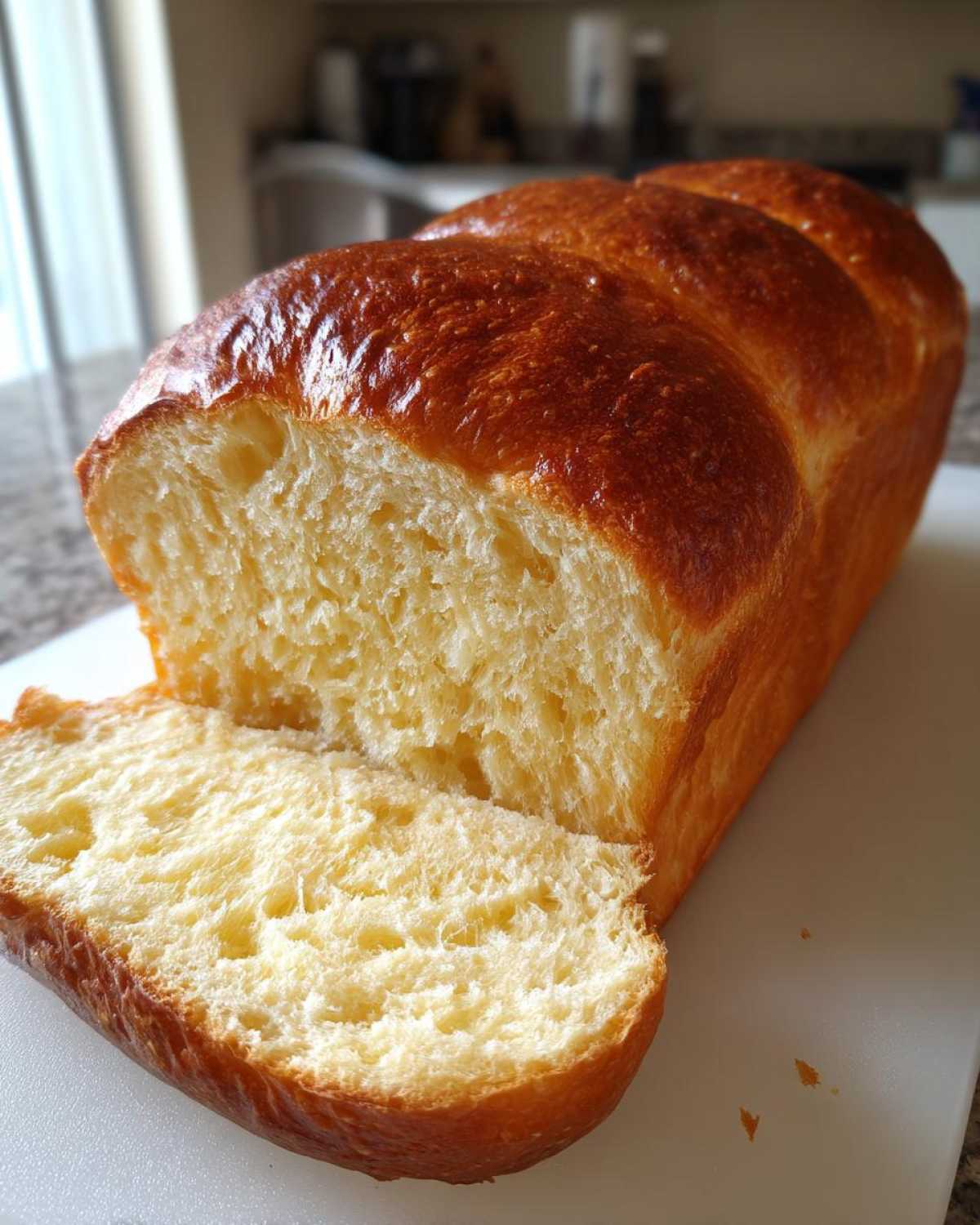
Achieving that incredible, melt-in-your-mouth softness in your Hokkaido Milk Bread really comes down to a few key technical nudges. Don’t skip these little steps, because they are what separates decent bread from breathtaking, pillowy bread!
First off, temperature is your friend when dealing with yeast. Make sure your milk and your egg are truly at room temperature before you introduce them to the yeast mixture. Cold dairy will shock the yeast and slow down that crucial first rise. You want happy, active yeast ready to work!
If you are kneading by hand, just prepare yourself—it takes serious elbow grease! The dough needs that incredibly long knead time to build the gluten structure that keeps the bread fluffy. If you have a stand mixer, now is the time to thank it repeatedly. Don’t stop kneading until you can truly pull a thin, translucent sheet of dough.
And please, for the love of soft bread, let it cool completely on a wire rack! I know it smells divine, but slicing into it when it’s hot traps steam inside, which will ruin that tender crumb bread you worked so hard to create. Patience pays off, I promise! If you’re looking for another soft bake, you simply must peep my recipe for flaky buttermilk biscuits—another lesson in texture management!
Variations: From Japanese Milk Bread Loaf to Fluffy Milk Bread Rolls
The best part about having this beautiful Japanese Milk Bread dough as a base is how versatile it is! You don’t always have to commit to a full loaf, though I highly urge you to try the loaf pan at least once because that tall, square slice is just heaven. If you want to speed things up and bake faster, you have two fantastic options!
For Fluffy Milk Bread Rolls, simply divide the dough into 9 or 12 equal pieces right before the final shaping. Roll them into tight little balls and place them close together in a greased pan—they will puff up and bake into gorgeous, tear-apart rolls! They are excellent brushed with melted butter right when they come out of the oven, maybe with a sprinkle of sea salt if you want them savory.
If you’re feeling sweeter, this base dough is incredible for Cinnamon Rolls! Scale back the final proofing just a bit, roll the dough out thin, spread it with a mix of brown sugar, cinnamon, and melted butter, roll it up, slice, and bake. It turns into the sweetest indulgence. If you’re feeling inspired to try more sweet bakes, my recipe for chocolate babka shows off another gorgeous way to shape dough! When you’re looking for more ideas, come check out what we are pinning over at our Pinterest page for even more culinary inspiration!
Serving Suggestions for Your Homemade Japanese Bread
Now that you have this unbelievably soft loaf, what should you do with it? Honestly, you could just stare at it, but I strongly recommend slicing into it while it’s still slightly warm—though remembering to let it cool completely first is the secret to its texture!
Because this is No Preservative Bread, enjoy it fresh! It’s phenomenal toasted simply with a thick smear of quality butter. But for lunch? This is the world’s greatest base for sandwiches. Think about that fluffy texture holding up thick fillings—it’s amazing for egg salad or even my favorite chicken marinade recipe for a killer chicken salad sandwich—you can find the marinade recipe right here!
And for breakfast? Slice thick, toast lightly, and enjoy with jam. You made bakery-quality bread, so treat it like a treasure!
Storage & Reheating Instructions for Tender Crumb Bread
Because we used the Tangzhong method, this tender crumb bread is a champion at staying soft, even without any chemical preservatives! Yay! To keep it at its absolute fluffiest, you must wrap it tightly. I mean, really tight—use plastic wrap or pop it into a zip-top bag right after it has cooled 100 percent. Store that sealed loaf at room temperature for up to three or four days.
If it starts feeling just a tiny bit stiff (which happens eventually!), don’t panic or throw it out! You can bring it right back to life. A thin slice for toast is perfect just as it is, but if you want that amazing pull-apart tenderness again, just wrap the whole loaf loosely in foil and warm it in a 300°F oven for about 8 minutes. It’s like magic! Speaking of soft bakes, you absolutely must try my soft fluffy homemade raisin bread next for another comforting bake.
Frequently Asked Questions about Japanese Milk Bread
I get so many messages asking about making sure this beautiful bread turns out perfectly the first time, and that’s totally normal! Baking bread that’s this specialized takes a little know-how, but don’t you worry, I’ve got all the answers right here for you. Baking should be fun, not scary! If you’re looking for a good dip to serve alongside your bread slices, my easy smoked salmon dip is a winner!
Can I make this Japanese Milk Bread Recipe without a stand mixer?
Oh yes, you absolutely can! I’ve done it myself on days when my mixer needed a cleaning. The truth is, for this specific Easy Milk Bread Tutorial, you need serious, extended kneading to develop that gluten for the pillowy bread texture. If you’re using your hands, plan on kneading by hand for closer to 15 or even 20 minutes. It’s a workout, but the dough will get there! Just keep pushing, folding, and stretching until you feel that elasticity.
What is the difference between Tangzhong and Yudane Bread Recipe?
That’s a great question, because both methods aim for that same incredible softness! The Tangzhong Method Bread, which we used here, strictly involves making a roux with flour and water. The Yudane method is similar, but traditionally uses hot milk or water poured directly over the flour to scald it. Both create gelatinized flour, leading to that amazing, moist result. We stuck with our tried-and-true Tangzhong for this version, but either works wonders for making Homemade Japanese Bread!
How long does this bread stay soft?
This is my absolute favorite part to brag about! Because we used the special Tangzhong technique, this loaf behaves like a superstar when it comes to staying fresh. Properly wrapped and stored at room temperature, your loaf should stay wonderfully soft and elastic for a full 3 to 4 days. That’s right—no preservatives needed to enjoy a soft loaf all week!
Nutritional Snapshot of Japanese Milk Bread
Now, I know we are baking for pure joy here, but it’s always good to have a general idea of what’s in our delicious creation! Please remember that these numbers are just an estimate based on the ingredients listed in the recipe, as exact nutritional content can change based on the brands you use or if you decide to make variations like my wonderful roasted sweet potato side dish!
- Serving Size: 1 slice
- Calories: 180
- Sugar: 6g
- Protein: 5g
- Fat: 5g
Because we skip all the weird, bottled stuff, you get incredible homemade flavor without added preservatives. Enjoy every tender bite!
Share Your Pillowy Bread Creations!
Oh my goodness, I am bursting with excitement for you to try this! Making the ultimate fluffy Japanese milk bread is such a fun adventure, and when you pull that golden, soft loaf out of the oven, I absolutely want to celebrate with you! When you manage to get those beautiful, tear-apart strands, please, please let me know!
Did you try making it by hand, or did your stand mixer earn its keep this time? Did the Tangzhong work its magic? Slide down to the comments and give me all the details! Don’t forget to tell me how long it stayed soft for in your house—I track these things, you know!
If you made this and loved it, a simple rating helps other bakers feel confident tackling this beauty. And hey, if you took a gorgeous photo of your pillowy bread, tag me on social media! I always love seeing my recipes living happily in your kitchens. If you need a simple, delicious pairing for that first glorious slice, my whipped ricotta dip is waiting for you!
PrintUltimate Fluffy Japanese Milk Bread (Shokupan) using the Tangzhong Method
Achieve the incredibly soft, pillowy, and mochi-like texture of authentic Japanese Milk Bread, also known as Shokupan. This recipe uses the essential Tangzhong secret to keep your homemade bread moist for days. It is perfect for the best toast or soft sandwiches.
- Prep Time: 45 min
- Cook Time: 35 min
- Total Time: 3 hours 40 min
- Yield: 1 loaf
- Category: Baking
- Method: Baking
- Cuisine: Japanese
- Diet: Vegetarian
Ingredients
- For the Tangzhong (Water Roux): 2 tablespoons Bread Flour, 1/4 cup Water
- For the Dough: 2 1/3 cups Bread Flour, 1/4 cup Granulated Sugar, 1 teaspoon Salt, 1/2 cup Milk (whole milk recommended), 1 packet (2 1/4 teaspoons) Active Dry Yeast, 1 large Egg (room temperature), 3 tablespoons Unsalted Butter (softened)
- For the Egg Wash: 1 Egg Yolk mixed with 1 teaspoon Water
Instructions
- Prepare the Tangzhong: Whisk the 2 tablespoons of bread flour and 1/4 cup of water in a small saucepan until smooth. Cook over low heat, stirring constantly, until the mixture thickens into a paste, reaching about 140°F (60°C). Remove from heat, cover the surface with plastic wrap to prevent a skin from forming, and let it cool completely.
- Combine Dry Ingredients: In the bowl of a stand mixer fitted with the dough hook, combine the 2 1/3 cups of bread flour, sugar, and salt.
- Activate Yeast: In a separate small bowl, mix the yeast with the 1/2 cup of milk. Let it sit for 5 minutes until slightly foamy.
- Mix Dough: Add the cooled Tangzhong, the yeast mixture, and the egg to the flour mixture. Mix on low speed for 5 minutes until the dough starts to come together.
- Add Butter and Knead: Add the softened butter. Increase the speed to medium-low and knead for 8 to 10 minutes until the dough is smooth, elastic, and passes the windowpane test. The dough will be very soft.
- First Rise: Place the dough in a lightly oiled bowl, turning to coat. Cover the bowl and let it rise in a warm place for 1.5 to 2 hours, or until doubled in size.
- Shape the Loaf: Gently punch down the dough. Divide it into three equal pieces. Roll each piece into a tight log. Place the three logs side-by-side in a greased 9×5 inch loaf pan.
- Second Rise: Cover the loaf pan loosely and let it rise again in a warm spot for 45 to 60 minutes, or until the dough has risen about 1 inch above the rim of the pan.
- Bake: Preheat your oven to 350°F (175°C). Gently brush the top of the dough with the egg wash. Bake for 30 to 35 minutes, or until the top is golden brown and the internal temperature reaches 200°F (93°C).
- Cool: Immediately remove the bread from the pan and let it cool completely on a wire rack before slicing. This step is crucial for the best texture.
Notes
- Using a stand mixer is highly recommended for the long kneading time required to develop the gluten for this pillowy bread.
- For an even glossier top, you can brush the bread with melted butter immediately after removing it from the oven.
- This bread stays wonderfully soft for 3-4 days when stored tightly wrapped at room temperature.
- Follow our baking adventures on Pinterest for more inspiration!
Nutrition
- Serving Size: 1 slice
- Calories: 180
- Sugar: 6
- Sodium: 150
- Fat: 5
- Saturated Fat: 3
- Unsaturated Fat: 2
- Trans Fat: 0
- Carbohydrates: 28
- Fiber: 1
- Protein: 5
- Cholesterol: 30