
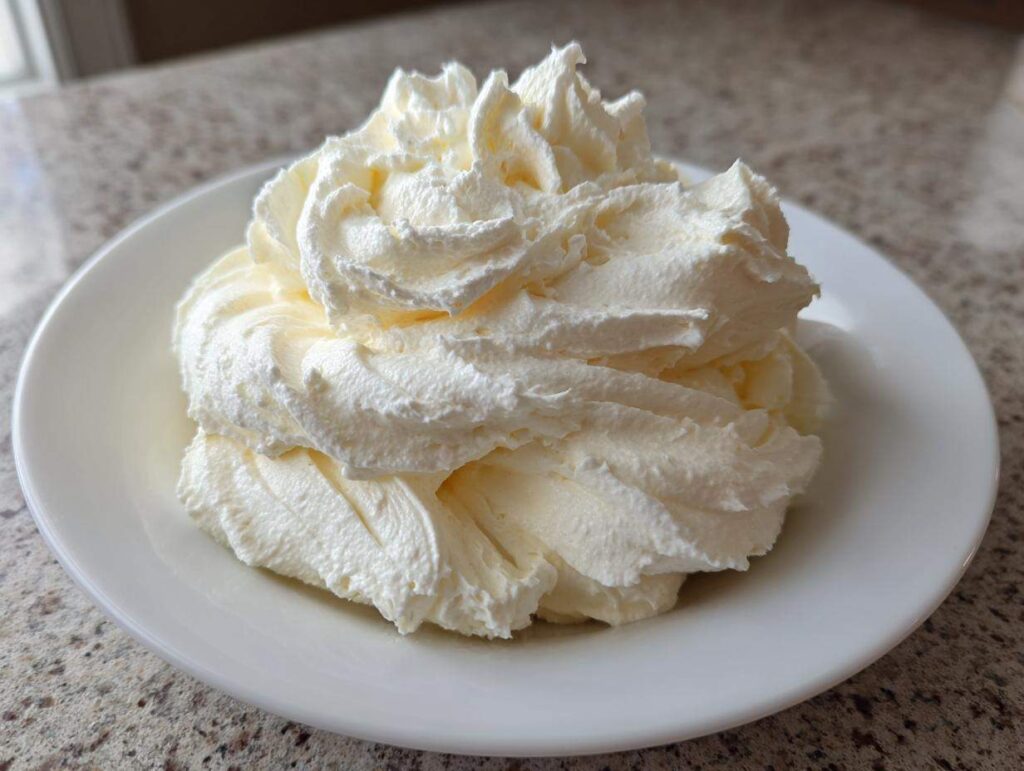
Oh my goodness, if there is one kitchen achievement I want every single person reading this blog to conquer, it’s making truly perfect frosting! Forget those watery, thin icings or the grainy messes you sometimes get—today, we banish them forever. I’m Sophia Collins, and after years of baking for family birthdays and holiday tables, I’ve landed on the absolute best, foolproof 10-minute creamy vanilla buttercream recipe. Trust me, this guarantees a smooth, stable, melt-in-the-mouth texture every time. You won’t have to stress about your next batch of cupcakes ever again!
- Why This Homemade Buttercream Recipe Works Every Time
- Ingredients for the Best Vanilla Buttercream
- Step-by-Step Instructions for Fluffy Cupcake Topping
- Tips for Perfect Piping Frosting Recipe Results
- How to Use This Creamy Vanilla Frosting on Desserts
- Troubleshooting Your Vanilla Buttercream
- Storing and Preparing Vanilla Buttercream for Later
- Frequently Asked Questions About This Frosting
- Estimated Nutritional Data for Vanilla Buttercream
Why This Homemade Buttercream Recipe Works Every Time
I call this my no-fail buttercream because it genuinely takes the guesswork out of icing. The main reason so many people struggle is temperature, believe it or not! If your butter is too melty, the frosting slides right off whatever you put it on. If it’s too cold, you end up with lumps that refuse to blend. We aim for that sweet spot where the butter is soft enough to smear easily but still cool to the touch.
When you follow these steps, you get a frosting that is sturdy enough for decorating beautiful layer cakes but still gives you that incredible melt-in-the-mouth frosting sensation. This stability means you can take your cake to a party without worrying the icing will collapse during transport. Plus, the long whipping time incorporates tons of air, which is what makes this recipe so wonderfully light!
Achieving That Perfect Smooth Buttercream Technique
The road to silky icing starts with two non-negotiable steps. First, you absolutely must beat your room-temperature butter until it looks like pale, fluffy cloudstuff *before* adding any sugar. Seriously, give the mixer three full minutes to work its magic and scrape down those sides frequently! Second, please, please sift your powdered sugar. Those tiny clumps of sugar are the enemy of a creamy vanilla frosting. If you skip the sifting, you’re asking for that grainy texture we talked about—and we definitely don’t want that here!
Once you’ve mastered these basics, the rest just flows. If you ever need a recipe for something really rich, you should check out my recipe for those delicious strawberry cheesecake sweet rolls; the frosting technique is slightly different but just as rewarding!
Ingredients for the Best Vanilla Buttercream
When making a classic vanilla frosting, the quality of what goes in really dictates what comes out. We are only using five simple things here, but how we treat them matters! You’ll need one cup of unsalted butter, but it *must* be softened perfectly—I’m talking room temperature, folks. Then, you need several cups of powdered sugar, and guess what? You have to sift it! Don’t skip that step if you want incredible results.
But the real secret weapon for amazing flavor in this vanilla buttercream? That’s the pure vanilla extract. A big splash of that high-quality stuff makes the difference between decent icing and something truly extraordinary. A tiny pinch of salt helps cut through all that sweet richness, which is always a good idea in any simple dessert topping.
Essential Components for Classic Vanilla Frosting
Here is exactly what you need to gather before you start whipping up this luscious batch of creamy vanilla frosting. Remember, these measurements are what give you about three cups of topping, perfect for a standard two-layer cake!
- One cup (that’s 226 grams) of unsalted butter, softened until it’s beautifully pliable, not melted!
- Three and a half to four cups (around 420 to 480 grams) of powdered sugar. And yes, this beauty needs to be sifted!
- A full teaspoon of good, pure vanilla extract—don’t skimp here!
- Two to four tablespoons of heavy cream or milk, kept cold until you need it.
- Just a tiny pinch of salt to balance the flavor profile.
Step-by-Step Instructions for Fluffy Cupcake Topping
Alright, ready to make some magic happen? This is where my nutrition background actually helps—we’re building structure, but keeping everything light and delicious! Don’t worry; it’s so fast you’ll be done before your oven even finishes preheating for your cakes. We move through this process systematically so we get that gorgeous, creamy result. I promise, once you see how easy this vanilla buttercream is, you’ll never go back to the tub again!
Creaming the Butter: The Foundation of Smooth Vanilla Buttercream
This is step one, and it needs your full attention! Pop that perfectly softened butter—remember, not melted, just soft—into your stand mixer, or a big bowl if you’re using a hand mixer. Put it on a medium speed and just let it go for about three full minutes. You’re looking for it to transform from yellow block-stuff into something pale, airy, and completely smooth. Scrape those sides down halfway through so every bit gets beaten well. This initial creaming is the real secret to achieving that dreamy, smooth buttercream technique that looks like it came straight from a bakery!
Incorporating Sugar and Achieving Final Consistency for Vanilla Buttercream
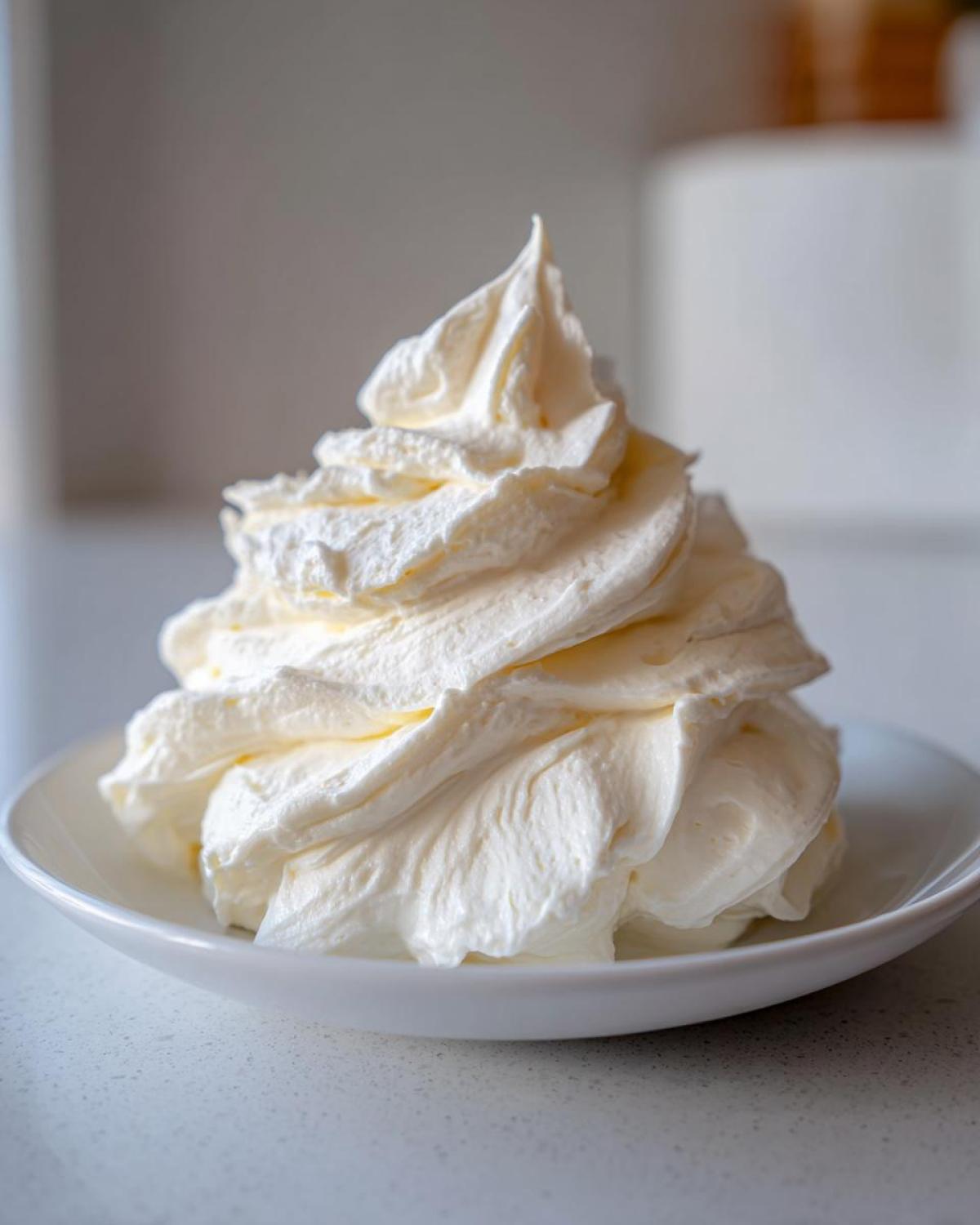
Now, turn that speed way down low—we don’t want a sugar explosion across the kitchen, trust me, I’ve learned that the hard way! Add your sifted powdered sugar in slowly, just about one cup at a time. Let it incorporate fully before adding the next bit. Once all the sugar is in, toss in your vanilla and that tiny pinch of salt. Now comes the fun part: crank that speed up to medium-high. You need to beat this mixture—and I mean *beat* it—for a full three to five minutes. This high-speed whipping is what makes the icing light, voluminous, and ready to be the ultimate fluffy cupcake topping.
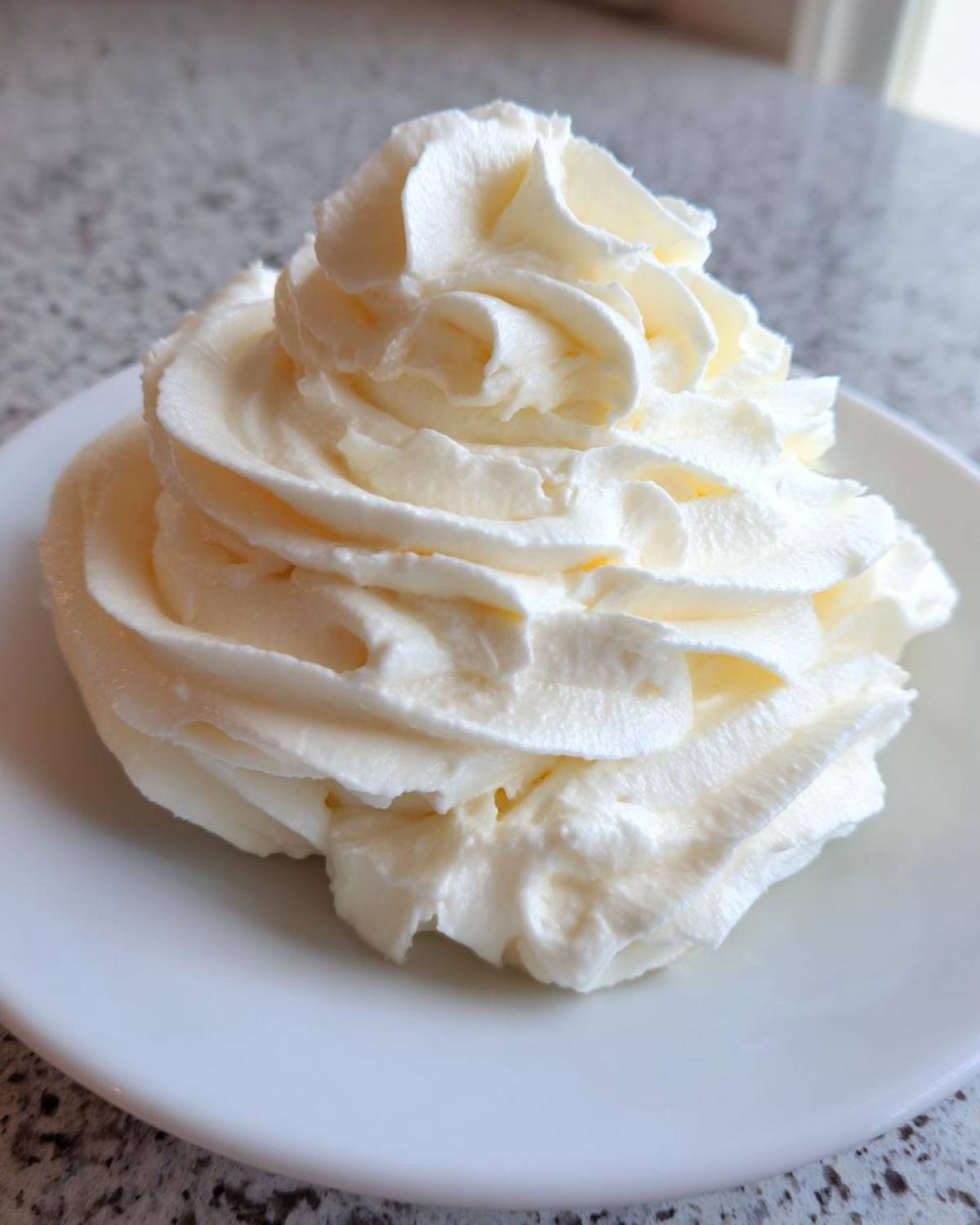
If it seems way too stiff after that whipping time, start adding your heavy cream or milk, but do it one tablespoon at a time until it feels just right for spreading or piping. If you ever need an amazing recipe for maple cookies that need a rich icing, check out my favorite brown butter icing post. This vanilla batch is ready to go immediately!
Tips for Perfect Piping Frosting Recipe Results
Listen, achieving that show-stopping, bakery style vanilla frosting look isn’t just about how you mix it; it’s about respecting the ingredients while they work! I learned this the hard way just last year when I was rushing to frost a birthday cake for my nephew. I grabbed the butter straight from the fridge—it was still cool in the middle—and tried to cream it. Big mistake! I ended up with little cold butter chunks suspended in my sugar, and no amount of blending would fix it. The result was lumpy, and I had to scrap the whole thing and start over.
So, here are the wisdom nuggets I’ve gathered from my own kitchen mishaps and successes, straight from my recipe notes. First off, if you need that super-silky texture, that butter has to be truly room temperature, not just slightly soft. You want it yielding, not greasy!
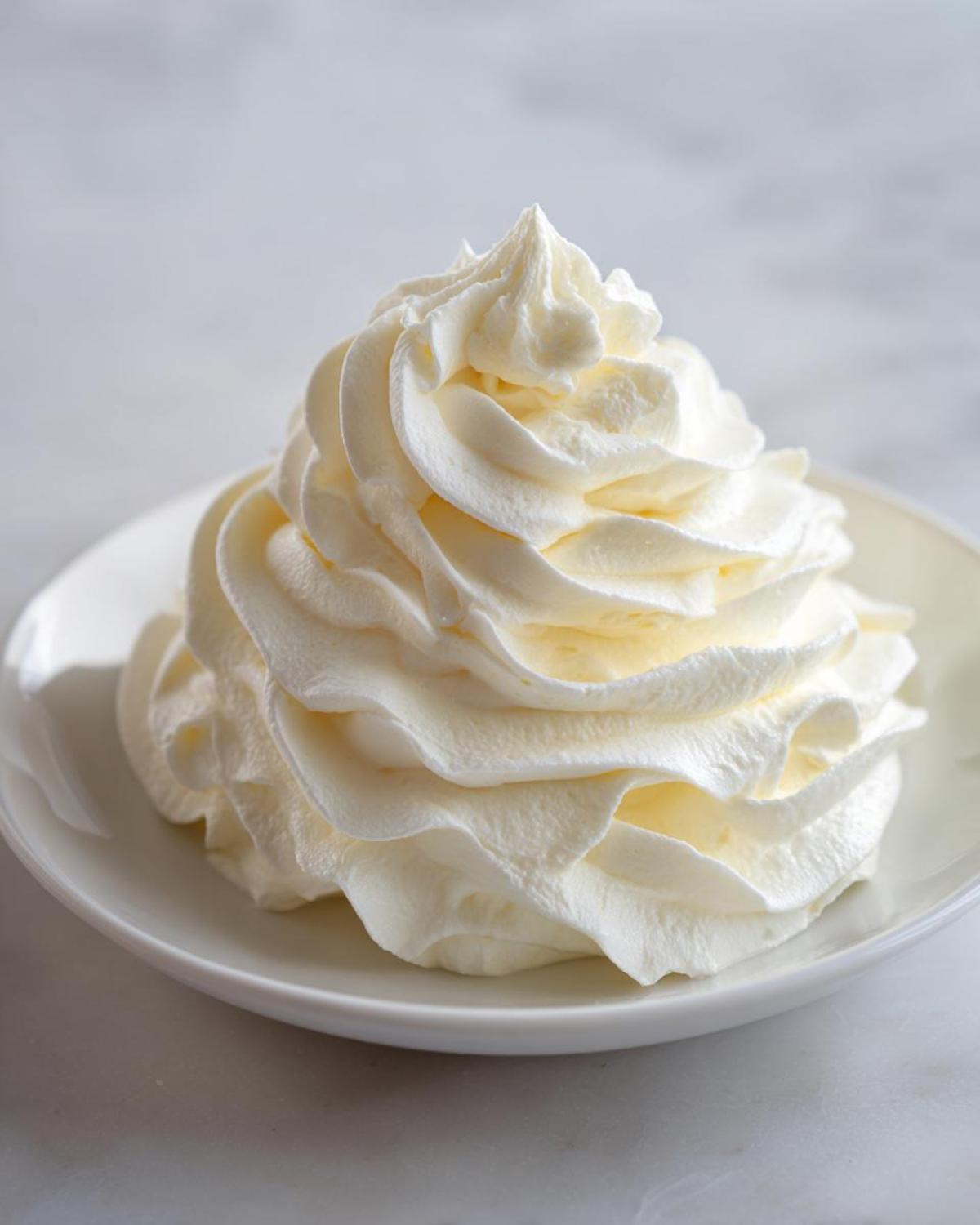
Also, if you are trying to get that brightest white finish—maybe you’re making something delicate—try swapping out your dark vanilla for clear vanilla extract. It gives you the same amazing flavor without clouding up the color a bit. And remember that trick about soaking raisins in my grandmother’s recipes? For this piping frosting recipe, if it seems a little stiff after the initial whip, just drizzle in your heavy cream one tablespoon at a time. It’s all about small, controlled adjustments!
If you are looking for another amazing topping option, I just posted my guide on making easy rich creamy chocolate fondue—it’s perfect for dipping fruit!
How to Use This Creamy Vanilla Frosting on Desserts
This creamy vanilla frosting is so versatile; honestly, once you nail this recipe, you’ll be looking for excuses to frost everything in sight! Because of that great whipping time we gave it, this icing is wonderfully stable. That means it’s truly the easy frosting for cakes because it holds beautiful sharp edges when you frost a layer cake, and it pipes up into those gorgeous swirls on cupcakes that you see in bakeries. It gives you that amazing, clean decoration without sliding everywhere.
I love using it as a simple dessert topping for things that aren’t even cake! It turns standard brownies into something fancy, and honestly, putting a dollop on top of a sliced banana makes for a quick, sweet treat after dinner. If you’re doing any fun layered desserts, you absolutely need this in your arsenal.
Best Uses for Classic Vanilla Buttercream
What should you put this lovely stuff on? The list is long, but let me give you my top winners:
- Classic layer cakes—vanilla, chocolate, or funfetti!
- Topping homemade vanilla cupcakes for maximum fluffiness.
- As a filling between cookies to make sandwich cookies.
- Even swirling onto warm, fresh-from-the-oven shortcakes. Speaking of which, if you want a great recipe to layer this on, check out my strawberry shortcake trifle recipe!
Troubleshooting Your Vanilla Buttercream
Even with a foolproof recipe, sometimes things go a little sideways—that’s just baking, right? If you’ve followed the steps but your icing is stubbornly stiff, you probably need just a tiny splash more of that heavy cream. Remember, a tablespoon at a time is the magic number here; you don’t want to flood it!
Now, let’s talk about graininess. If your amazing batch of classic vanilla frosting isn’t melting on your tongue the way it should, it usually comes down to not giving that initial butter enough time to get completely smooth—we talked about that three-minute beat time! Or, sometimes, if the powdered sugar wasn’t sifted well, you’ll find those stubborn little sugar nuggets.
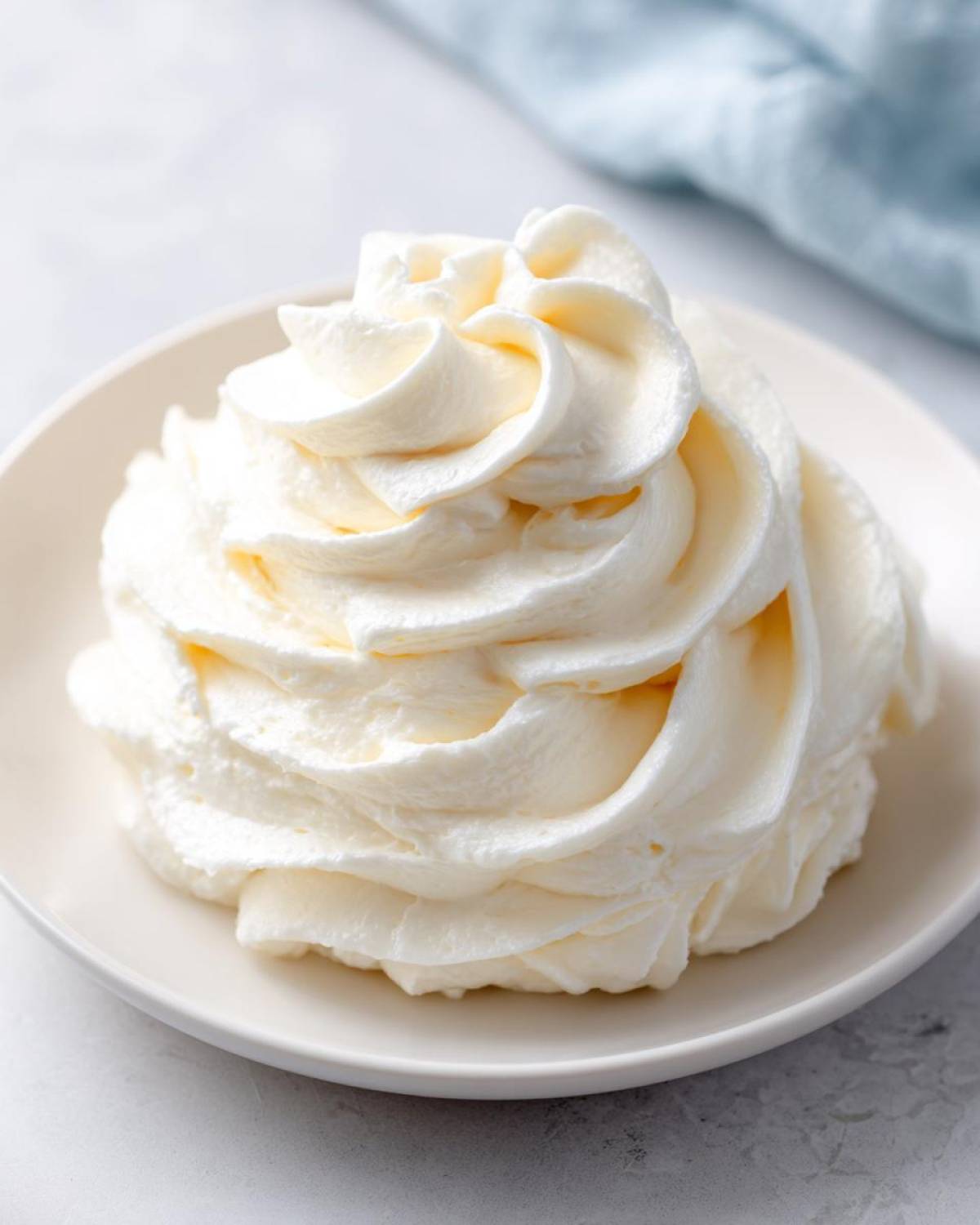
If you ever feel like you’ve over-mixed it and it has started to look a little soupy, pop the whole bowl (yes, the whole bowl!) into the fridge for about ten minutes. A quick chill firms up the mixture, and when you bring it back out, give it another quick whip on medium speed to get that fluffy texture back again. This simple troubleshooting always saves my day when I’m aiming for that pristine finish!
Storing and Preparing Vanilla Buttercream for Later
Life happens, and sometimes you just can’t use all three cups of this amazing frosting right away! The good news is that this homemade buttercream recipe stores like a dream, which is huge when you’re planning baking ahead of time—a lifesaver for big holiday baking weekends.
If you’re using it within a couple of days, pop it into an airtight container and keep it on the counter, provided your kitchen isn’t super hot. If your house is warm, or if you need to keep it longer than three days, definitely stick it in the fridge. Make sure you press plastic wrap right down onto the surface of the icing before putting the lid on to prevent any crusting. That way, you keep all that airy fluffiness locked inside!
When you’re ready to use refrigerated frosting, take it out about an hour before you plan to frost anything. It will look stiff, almost like butter again! Just give it a quick run in the mixer on low speed for about 30 seconds until it loosens back up. If you’re chilling it for longer than a week, you can actually freeze this frosting! It thaws beautifully, and you’ll have that perfect topping ready to go for your next batch of classic apple pie.
Frequently Asked Questions About This Frosting
It’s totally normal to have questions when you’re trying a new recipe, especially when you want that perfect finish for your special desserts! I’ve gathered the ones I get asked the most about this vanilla buttercream recipe. Hopefully, this helps you feel super confident before you even turn on the mixer!
First off, everyone wants to know about stability, and yes, this is a fantastic piping frosting recipe because of how we beat the butter and sugar together. It holds its shape beautifully on cupcakes, unlike some other icings that just melt into puddles. The extra fat content ensures that lovely, thick texture for piping decorative edges!
Can I make this recipe dairy-free or vegan?
You absolutely can! While it won’t be identical, you can substitute the butter with a high-quality block-style vegan butter substitute; make sure it’s the firm kind, not the soft spreadable stuff in a tub, because temperature control is everything here. For the heavy cream, you can substitute it with full-fat, chilled coconut cream (scoop just the thick part from the top of a can!) or a rich, thick non-dairy milk. It works wonderfully for making a homemade buttercream recipe meet dietary needs.
How do I make my vanilla frosting whiter?
This is a classic trick! If you notice your easy frosting for cakes turning a little beige, it’s almost always the standard brown vanilla extract. Pure vanilla extract is dark and casts a bit of a color, which is usually beautiful, but if you want that stark white or bright color for special occasions, swap it out for clear vanilla extract. Also, be really mindful of how much you use! Too much vanilla can almost overpower the flavor, so stick to the teaspoon unless you’re going for a super intense flavor profile.
If you want more inspiration for treats that pair perfectly with this sweet topping, you must check out my recipe for no-bake pecan pie balls—they’re dangerously good!
Estimated Nutritional Data for Vanilla Buttercream
Now, I have to be upfront with you all—as someone who loves baking but also pays attention to what we’re putting into our bodies, I always try to give you the full picture. But when it comes to fancy toppings like this gorgeous, melt-in-the-mouth frosting, the numbers can change depending on the brand of butter or how much sugar you decide to use for that perfect sweetness! These figures are just estimates based on the standard recipe amounts, so treat them as a guideline for your classic vanilla frosting consumption!
Remember, for a truly quick side dish that balances out a rich dessert, you absolutely have to try my easy garlic parmesan roasted broccolini recipe. It’s my go-to for dinner!
- Serving Size: 1/4 cup
- Calories: Approximately 350
- Total Fat: 18g (Pay attention to Saturated Fat around 11g)
- Carbohydrates: 48g
- Sugar: Roughly 45g (This is where most of the calories come from, naturally!)
- Protein: 1g
- Sodium: About 45mg
Please know that this data is based on using the full 4 cups of powdered sugar and standard salted butter measurements. If you decide to go lighter on the sugar, those numbers will naturally drop! This information is for general reference only, so use your best judgment when tracking macros.
PrintThe Best Foolproof 10-Minute Creamy Vanilla Buttercream Frosting
Make bakery style vanilla buttercream at home! This recipe delivers a smooth, fluffy, and stable homemade buttercream recipe perfect for layer cakes and cupcakes. It is a no-fail frosting ready in minutes.
- Prep Time: 10 min
- Cook Time: 0 min
- Total Time: 10 min
- Yield: About 3 cups 1x
- Category: Dessert Topping
- Method: Mixing
- Cuisine: American
- Diet: Vegetarian
Ingredients
- 1 cup (226g) unsalted butter, softened to room temperature
- 3 1/2 to 4 cups (420g to 480g) powdered sugar, sifted
- 1 teaspoon pure vanilla extract
- 2 to 4 tablespoons heavy cream or milk
- Pinch of salt
Instructions
- Place the softened butter into the bowl of a stand mixer fitted with the paddle attachment. Beat the butter on medium speed until it is completely smooth and creamy, about 3 minutes. Scrape down the sides of the bowl.
- Reduce the mixer speed to low. Gradually add the sifted powdered sugar, one cup at a time, mixing until just combined after each addition.
- Add the vanilla extract and a pinch of salt. Increase the mixer speed to medium-high and beat for 3 to 5 minutes until the frosting is light and fluffy. This step is key for a smooth buttercream technique.
- If the frosting seems too stiff, add heavy cream or milk, one tablespoon at a time, until you reach your desired consistency for piping frosting. If it is too soft, add a little more powdered sugar.
- Use immediately on your favorite cakes, cupcakes, or cookies. This creamy vanilla frosting holds its shape well for decoration.
Notes
- For the silkiest texture, make sure your butter is truly at room temperature, not melted.
- If you want a brighter white frosting, substitute clear vanilla extract for the standard extract.
- To achieve a bakery style vanilla frosting, beat the mixture on high speed for a full 5 minutes after all ingredients are added.
- This recipe is perfect for beginners and provides a melt-in-the-mouth frosting experience.
Nutrition
- Serving Size: 1/4 cup
- Calories: 350
- Sugar: 45g
- Sodium: 45mg
- Fat: 18g
- Saturated Fat: 11g
- Unsaturated Fat: 7g
- Trans Fat: 0.5g
- Carbohydrates: 48g
- Fiber: 0g
- Protein: 1g
- Cholesterol: 55mg