
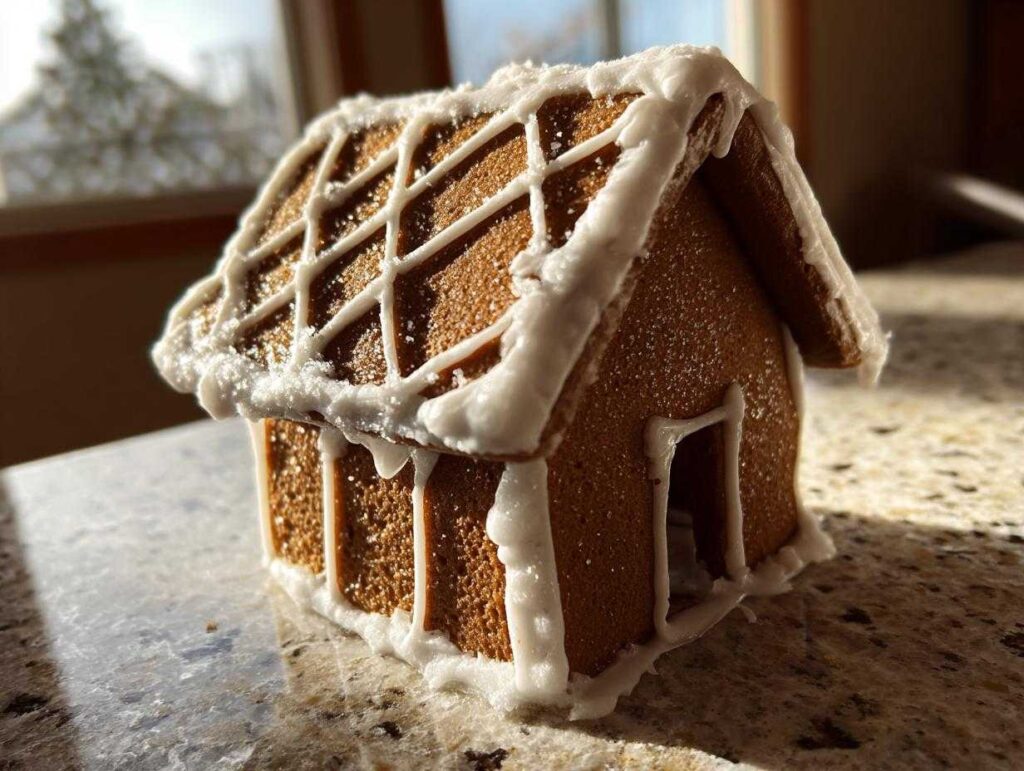
Oh my goodness, is it that time of year already? I just love pulling out the cinnamon and ginger spices! There is nothing quite like starting a big holiday baking project, but if you’re aiming for that show-stopping centerpiece, you know the secret weapon has to be the dough itself. That’s why I am so thrilled to share my ultimate gingerbread house recipe with you today!
Forget those sad, leaning towers from Christmases past. I’ve spent years testing and tweaking this exact formula—way too many batches probably!—to ensure your gingerbread construction stays standing strong, resisting the dreaded spread and collapse. This isn’t just any cookie dough; it’s building-grade gingerbread, designed for stress-free family fun. Once you nail this recipe, you won’t look back. Plus, we have a peek at some of my favorite designs on our Pinterest page if you need inspiration!
If you’re looking for other festive treats, you absolutely have to check out my recipe for the Christmas Poke Cake. It’s super colorful and an instant crowd-pleaser!
- Why This Gingerbread House Recipe Works for Construction
- Essential Ingredients for Your Sturdy Gingerbread House Recipe
- Step-by-Step Instructions for the Gingerbread House Recipe
- Tips for Success with Your Gingerbread House Recipe
- Creative Gingerbread House Ideas and Decorating Gingerbread Houses
- Storage & Reheating Instructions for Leftover Gingerbread House Recipe Components
- Serving Suggestions for Your Christmas Centerpiece
- Frequently Asked Questions About the Gingerbread House Recipe
- Share Your Festive Edible Crafts!
Why This Gingerbread House Recipe Works for Construction
Okay, let’s talk structure, because honestly, a gingerbread house that slumps into a sugary pile before Christmas is no fun. Most simple cookie recipes are designed to be a little soft and chewy, right? Not this one! We specifically engineer this dough to be heavy on the flour and spices and low on the leavening agents. That’s how we achieve that magnificent sturdy gingerbread dough you need for walls that stand proud.
I went through batches where the molasses was a little too high, and BAM—instant puddle when it hit the oven. Trust me, I’ve made the mistakes so you don’t have to! This specific balance of ginger and cinnamon paired with the right chilling time gives us a fantastic flavor while making sure the cooked pieces are rock solid—perfect for building. If your walls are strong, the rest is easy peasy! Speaking of cookies, once your house is built, you should totally try out my Christmas Sugar Cookie Bars with the leftover dough scraps!
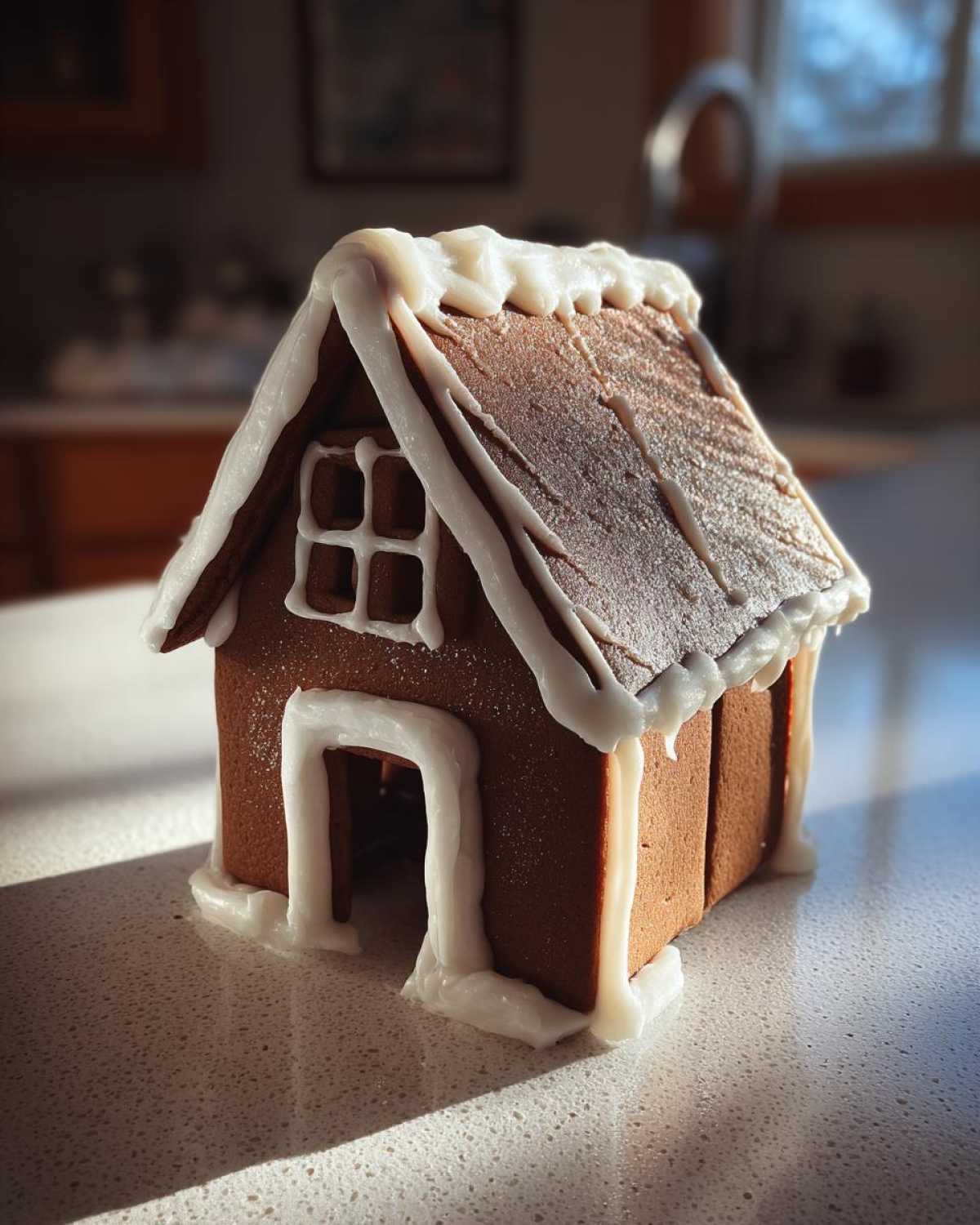
Essential Ingredients for Your Sturdy Gingerbread House Recipe
When you are creating something that needs to be structural, you simply cannot skip or guess on your ingredients! This is where the E-E-A-T (experience, expertise, authoritativeness, and trustworthiness) comes in—I have meticulously measured these components so you get that perfect, hard cookie shell. If you overdo the wet stuff, you risk spread, and we’ve already talked about how much I hate a leaning house!
It is crucial that you have your butter softened but not melty, and please make sure your egg white for the icing is at room temperature; it whips up so much better that way. You can find my favorite tips for making amazing buttercream if you ever need a soft frosting alternative for decorating later, but for building, we need strength!
For the Sturdy Gingerbread Dough
- 3 cups all-purpose flour (the backbone of our structure!)
- 1 teaspoon baking soda
- 1/2 teaspoon salt
- 1 tablespoon ground ginger (lots of flavor here!)
- 1 tablespoon ground cinnamon
- 1/2 teaspoon ground cloves
- 1/2 cup (1 stick) unsalted butter, softened perfectly
- 1/2 cup granulated sugar
- 1/2 cup molasses (don’t use blackstrap, it’s too bitter here)
- 1 large egg
- 1 teaspoon vanilla extract
For the Royal Icing Recipe For Building
This is the cement that holds everything together, so make it thick and glossy!
- 3 large egg whites, at room temperature
- 1/4 teaspoon cream of tartar (this stabilizes everything perfectly)
- 4 cups powdered sugar, sifted really well to avoid lumps
Step-by-Step Instructions for the Gingerbread House Recipe
Alright, let’s get into the fun part—actually making this magic happen! Following these steps is how you learn exactly how to make a gingerbread house that doesn’t disappoint. Remember, this dough needs a little nap time before it’s ready to build with, so don’t rush the chilling!
Mixing and Chilling the Sturdy Gingerbread Dough
First, we combine all those lovely dry spices and the flour. In a separate bowl, cream that softened butter and sugar until it looks absolutely fluffy—this step creates essential air pockets. Next, the wet ingredients go in: molasses, egg, and vanilla. Mix those just until they come together. Then, add the dry mixture slowly into the wet. Don’t over-mix! We want stiff dough, not tough dough.
Now for the secret tip from my kitchen: divide the dough into two flat disks, wrap them tight, and stick them in the fridge for *at least* two hours, but honestly, overnight is where the magic happens for a true no spread cookie recipe. Make sure your pieces have that long chill time!
Baking and Trimming for Perfect Gingerbread House Recipe Pieces
Once chilled, roll your dough out right onto the parchment paper you plan to bake on; this saves so much trouble later! Roll it to about 1/4 inch thick, place your templates, and cut out your walls and roof pieces. Pop them into the 350°F oven for about 12 to 15 minutes. Since this is construction grade, bake them until they feel really firm, not soft.
Here’s the key move: as soon as they come out—and I mean *immediately*—place your template back on the hot piece and quickly trim those edges with a sharp knife. The dough is still soft enough to shape perfectly but hot enough that it will cool down ruler-straight. Love that neatness! Let everything cool completely flat.
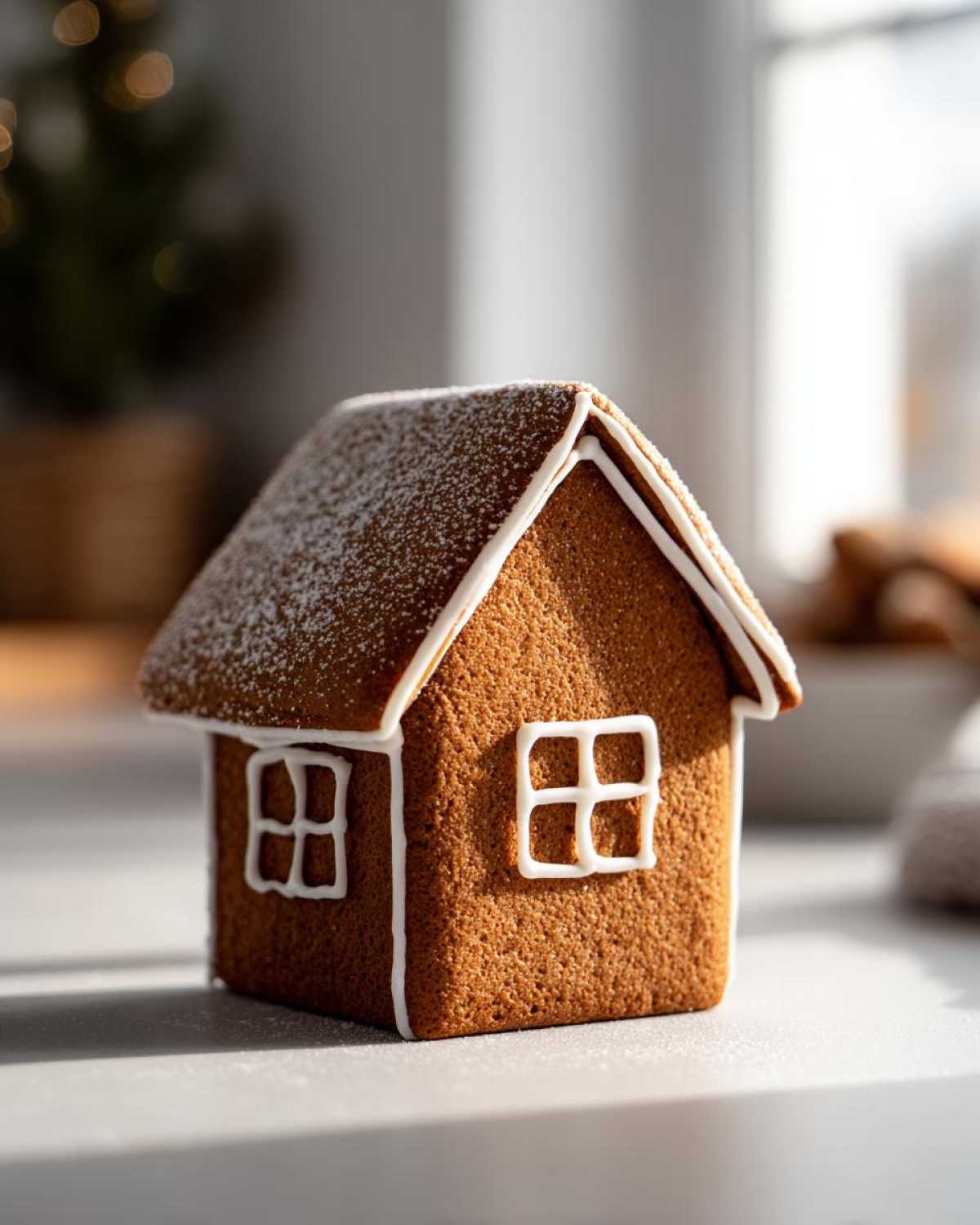
Preparing the Royal Icing Recipe For Building (The Edible Glue)
For our adhesion, we need that thick, beautiful royal icing recipe for building. Beat those room-temperature egg whites with the cream of tartar until you get soft peaks. Slowly, slowly add that sifted powdered sugar. You want stiff, glossy peaks. If your kitchen is super humid, you might need an extra spoonful of sugar to keep it from getting soupy!
Transfer this thick icing into a piping bag fitted with a large round tip—it should look like a very thick toothpaste consistency. If it squirts out easily, it’s ready to glue walls!
Assembling Your Gingerbread House Recipe Structure
Patience is everything here, my friends. Start by piping a nice thick line of icing along the bottom edge of one wall and stand it up on your serving base. Pipe icing onto an adjacent wall and press them together. You might need to prop them up with cans or small jars while they bond slightly. I usually build two walls, let that set for 20 minutes, and then add the other two walls to form the box. Seriously, let the walls cure! Once the walls are solid—ideally after a few hours or even overnight—then you carefully pipe the roof supports and place those heavy roof panels on top. Don’t rush the cure, or your whole gingerbread house recipe structure will groan and collapse!
I actually have a great tutorial on making quick teriyaki sauce if you need a fast dinner idea while you wait for your house to dry!
Tips for Success with Your Gingerbread House Recipe
Even with the perfect recipe, a few tricks make the difference between a cute cookie and a permanent Christmas centerpiece. These aren’t just suggestions; these are the tried-and-true tricks I’ve learned over years of building these edible castles! We want structural glory, remember?
One of my biggest secrets comes straight from the notes: you MUST bake the construction pieces longer than you would a normal cookie. If you want chewy, stop at 12 minutes. If you want a house that lasts until New Year’s, keep baking until those pieces are rock hard. My grandmother would say they should sound hollow when you tap them!
For flawless walls every time, don’t skimp on the template work. I always use a printable easy gingerbread house template idea I find online. It keeps the sizing consistent—crucial when you’re trying to fit two walls together! And if you find yourself with extra dough scraps after you finish the main build, you should absolutely make a batch of my classic chocolate chip cookies; no dough left behind in my kitchen!
Creative Gingerbread House Ideas and Decorating Gingerbread Houses
Now that we have our fortress built with ridiculously strong gingerbread walls, it’s time for the best part of any Family Holiday Baking Activity: the decorating! This is where you let your imagination run wild, turning your sturdy structure into a genuine Christmas centerpiece. If you need a little push, swing by and browse our Pinterest account—I keep a whole board dedicated to amazing Gingerbread House Ideas over at our main hub!
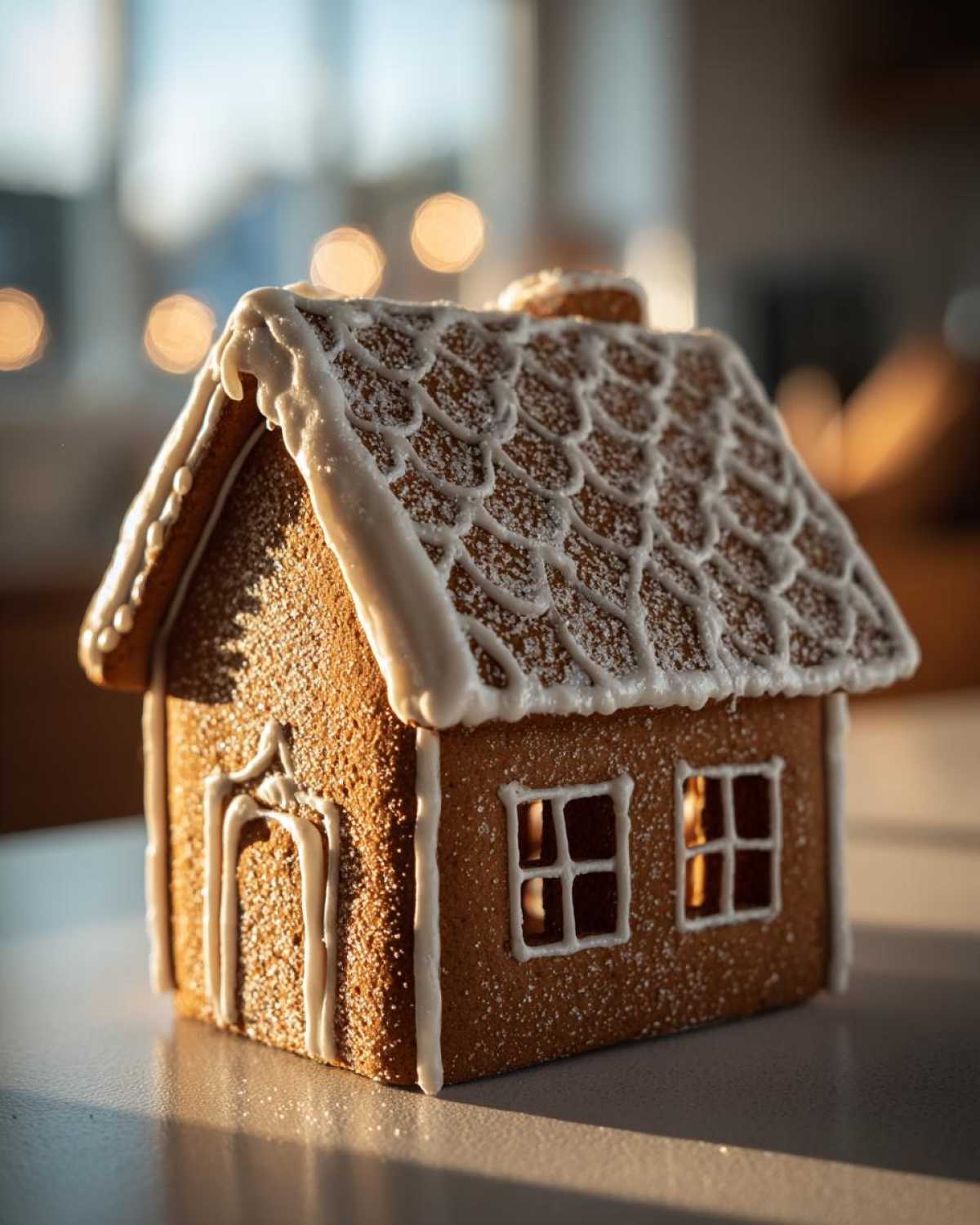
When it comes to Decorating Gingerbread Houses, I always recommend going big on the quality of your ‘finishings.’ Since the structure itself is simple, the outside needs to sparkle! Think beyond the basic gumdrops. I adore using high-quality ingredients to make it look gourmet. Have you ever tried piping intricate designs with white chocolate before adding it to the walls? Or using those gorgeous, shimmering sanding sugars? Those specialty sprinkles really do make the whole thing pop!
I also love integrating lots of texture. Use pretzel sticks for log cabin siding, or crushed peppermint for a snowy roof effect. If you want to get really fancy, you can even bake some extra cookies using this same dough, like little gingerbread men or wreaths, and use extra royal icing to stick them onto the outside walls to create little scenes!
I’ve found that the more creative you get, the more fun everyone has. We’ve done a tropical gingerbread beach house one year and a purple, sparkly gothic mansion another time! Don’t forget that if you have leftover dough, you can always make my Red Velvet Cake Mix Cookies—they’re easy and delicious!
Storage & Reheating Instructions for Leftover Gingerbread House Recipe Components
So, you’ve got extra dough, or maybe you baked all your walls but you aren’t ready to glue anything together for another week? No problem! Since this is a construction project, the biggest enemy we face is moisture. Dryness is your best friend when storing gingerbread pieces!
If you have leftover dough, wrap those disks up really tightly in plastic wrap, and then maybe put them in an airtight container or freezer bag. It keeps beautifully in the fridge for a couple of days, or you can freeze it for up to three months. If I freeze dough, I usually let it soften slightly on the counter, but I still give it a quick knead before rolling it out again.
For your baked, undecorated pieces—the walls and roof sections—storage is super simple because this gingerbread house recipe bakes them hard! Just stack them carefully between sheets of wax paper or parchment paper inside a sealed container. Keep them at cool room temperature. Do not put them in the fridge, though; the humidity can actually make them soft or start to degrade the edges you trimmed so perfectly!
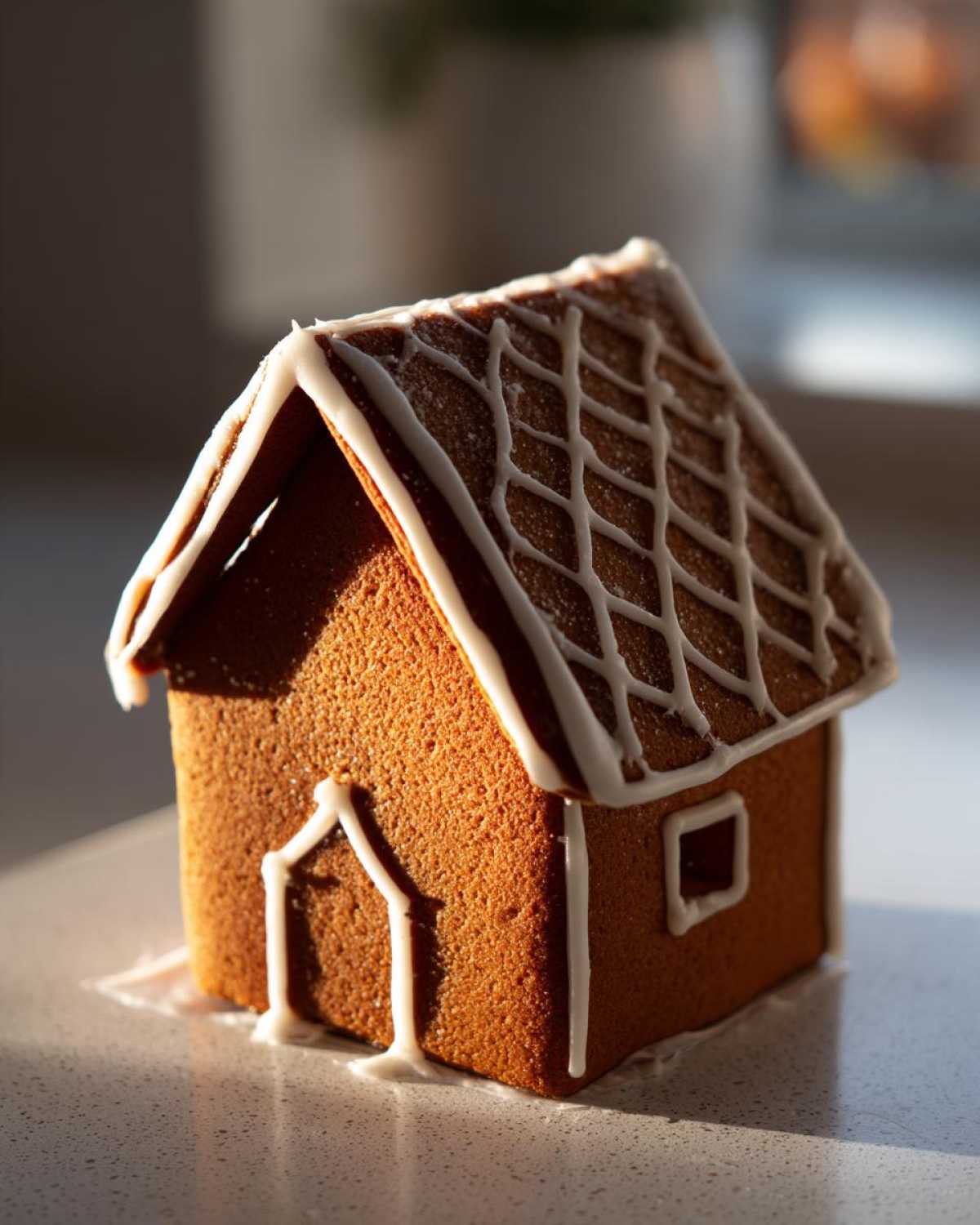
What about the extra royal icing? That stuff is a dream for storing! Keep any leftover royal icing recipe for building in an airtight container at room temperature. It lasts for ages, maybe a week or two, as long as it’s sealed well against the air. If you plan to decorate using it later, you might just need to whisk it vigorously before putting it back into your piping bag. If you’re looking for something sweet that doesn’t need building, my moist homemade chocolate cake recipe is always perfect for a simple dessert later!
Serving Suggestions for Your Christmas Centerpiece
Once the final candy is placed and your beautiful gingerbread structure is complete, you might have a few extra, slightly misshapen cookie pieces, or maybe you just baked a whole extra sheet because, well, flavor! Don’t let those delicious scraps go to waste.
The beauty of a strong gingerbread house recipe is that the leftover dough bakes up into perfectly spiced, crunchy cookies that are fantastic for snacking on while you admire your centerpiece. These aren’t soft eating cookies; they are delightfully crisp!
I highly insist on pairing these spiced bites with a steaming mug of my Authentic Mexican Hot Chocolate. It’s the ultimate Classic Holiday Dessert pairing. The rich chocolate perfectly complements the warmth of ginger and cinnamon. It’s the best way to enjoy the fruits of your labor without risking the structural integrity of your main build!
Frequently Asked Questions About the Gingerbread House Recipe
It seems like every time I make this, someone always asks about the dough or how to keep their walls straight! Don’t worry if you’re new to this; this section is like your own little Beginner Gingerbread House Guide. I’ve pulled the most common questions I get asked about structure and baking here to help you out!
Can I make the gingerbread house recipe pieces ahead of time?
Absolutely, you should! Making the pieces ahead of time is the secret weapon for a low-stress holiday build. Once your pieces are totally cooled—and I mean completely cool to the touch, no residual heat—stack them carefully between sheets of parchment paper. Pop them into a large, airtight container and keep that box stored at cool room temperature, away from any humidity. They will stay perfectly ready for assembly for weeks!
My dough spread! How do I fix this for my next gingerbread house recipe batch?
Ugh, that’s the worst feeling! If your dough spreads, it generally means it was too warm or had too much moisture. The absolute most important move you can make is to ensure that dough is chilled until it feels like a hard hockey puck—seriously, overnight is best. If you still have issues, try reducing the molasses by just a tablespoon next time around, or add just a tiny sprinkle more flour when mixing until it feels very stiff.
Is this gingerbread house recipe edible, or just for decoration?
Oh, yes, it’s 100% edible! Every bit of spice, that molasses, the butter—it’s all delicious. However, because we bake these pieces for extra long to make them super tough for building, they come out quite hard, almost like a very firm biscuit. They aren’t the soft, chewy cookies you’d snack on raw! If you want a batch just for snacking, pull your cookie cutouts out early, maybe around the 10-minute mark, so they stay a little softer.
Speaking of delicious treats, if you have any extra icing left over, you can totally use some of that to decorate a batch of my famous Old-Fashioned Vanilla Bourbon Bread Pudding—if you want something incredibly cozy!
Share Your Festive Edible Crafts!
Now that you have the secret to the ultimate sturdy gingerbread house recipe, I am dying to see what you create! This is truly one of the best festive edible crafts you can do with your family, and I hope this guide makes the building process completely stress-free this year.
When you finish up your masterpiece—whether you went for a rustic cabin look or a sparkly palace—please send me a picture! Head over to our social channels and tag us so I can see your fantastic work. I always love hearing which of my tips helped you the most. Did the overnight chill really make the difference for your dough? Did the royal icing hold up perfectly when you added that heavy roof?
If you loved this method and found it easy to achieve that perfect structure, please leave a rating right here on the page and drop a comment below telling me about your holiday baking adventure. Your feedback helps other bakers feel confident tackling this big project!
And hey, when you’re done admiring the house, you should definitely whip up my Strawberry Shortcake Cupcakes. They are light, bright, and a wonderful change of pace after all that heavy holiday spice!
PrintThe Ultimate Sturdy Gingerbread House Recipe & Construction Guide
Bake a festive gingerbread house that actually stays standing! This recipe provides a no-spread gingerbread dough perfect for construction and a strong royal icing recipe to act as your edible glue. A fun holiday baking project for the whole family.
- Prep Time: 60 min
- Cook Time: 45 min
- Total Time: 165 min (plus overnight chilling/setting time)
- Yield: 1 large house 1x
- Category: Dessert
- Method: Baking and Assembly
- Cuisine: American
- Diet: Vegetarian
Ingredients
- 3 cups all-purpose flour
- 1 teaspoon baking soda
- 1/2 teaspoon salt
- 1 tablespoon ground ginger
- 1 tablespoon ground cinnamon
- 1/2 teaspoon ground cloves
- 1/2 cup (1 stick) unsalted butter, softened
- 1/2 cup granulated sugar
- 1/2 cup molasses
- 1 large egg
- 1 teaspoon vanilla extract
- For Royal Icing: 3 large egg whites, room temperature
- 1/4 teaspoon cream of tartar
- 4 cups powdered sugar, sifted
Instructions
- Combine dry ingredients: In a large bowl, whisk together the flour, baking soda, salt, ginger, cinnamon, and cloves. Set aside.
- Cream butter and sugar: In a separate bowl, beat the softened butter and granulated sugar until light and fluffy.
- Mix wet ingredients: Beat in the molasses, egg, and vanilla extract until just combined.
- Combine mixtures: Gradually add the dry ingredients to the wet ingredients, mixing on low speed until a stiff dough forms. Do not overmix.
- Chill the dough: Divide the dough in half, flatten each half into a disk, wrap tightly, and refrigerate for at least 2 hours, or preferably overnight. This step is key for a no spread cookie recipe.
- Prepare templates: Roll out one chilled dough disk on parchment paper to 1/4 inch thickness. Cut out your desired gingerbread house pieces (walls, roof, etc.) using your template. Keep the pieces close together on the parchment.
- Bake: Bake at 350°F (175°C) for 12 to 15 minutes, or until edges are firm. For construction grade dough, bake slightly longer until pieces are very firm.
- Trim immediately: As soon as the pieces come out of the oven, place your template back on the hot cookie and trim the edges with a sharp knife to ensure straight sides for building. Let pieces cool completely on a flat surface.
- Make Royal Icing: Beat the egg whites and cream of tartar with an electric mixer until soft peaks form. Gradually add the sifted powdered sugar, beating until stiff, glossy peaks form. This is your strong royal icing recipe for building.
- Assemble the house: Use a piping bag fitted with a large round tip (or a zip-top bag with the corner snipped) to pipe thick lines of icing along the edges of the walls. Press walls together and hold briefly until the icing sets slightly. Let the structure dry completely, ideally for several hours or overnight, before adding the roof.
- Decorate: Once the structure is solid, use the remaining royal icing to attach candies, gumdrops, and other decorations.
Notes
- For the sturdiest gingerbread house, use a recipe specifically designed for construction, which means baking longer so the pieces are hard, not chewy.
- If your dough spreads during baking, you need to chill it longer next time, or slightly reduce the fat content.
- Use a template for consistent sizing; you can find many easy gingerbread house template options online.
- When assembling, work in sections. Attach two walls, let them set, then add the next two, before attempting the roof.
Nutrition
- Serving Size: 1 piece of dough (unspecified house portion)
- Calories: 250
- Sugar: 30g
- Sodium: 180mg
- Fat: 12g
- Saturated Fat: 7g
- Unsaturated Fat: 5g
- Trans Fat: 0g
- Carbohydrates: 34g
- Fiber: 1g
- Protein: 3g
- Cholesterol: 30mg