
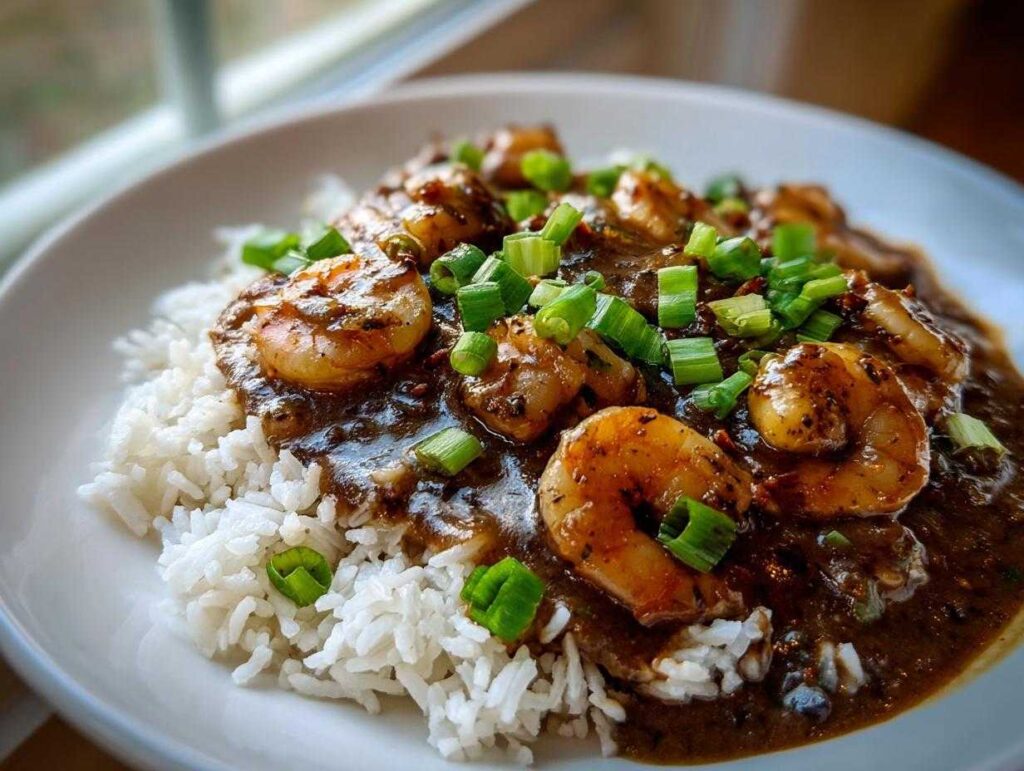
Oh, when the weather turns cooler, or honestly, even when it’s pouring rain here in the city, nothing hits the spot quite like genuine **New Orleans comfort food**. It’s soul-satisfying, rich, and warms you right down to your toes! That’s why I’m so excited to finally share my absolute favorite **shrimp étouffée** recipe. Forget those thin, sad versions you sometimes find; we are going deep into Louisiana flavor country today. The secret, truly, lies in getting that beautiful roux just right—it’s the foundation everything else builds on. My grandmother steeped me in the knowledge of building flavor layers, and this **flavorful Cajun sauce recipe** is the result of years of testing until I got that perfect shade of brown. Trust me; once you master this technique, you’ll unlock a whole new world of **Cajun seafood recipes**. Speaking of deep flavor building, if you love that layered taste, you absolutely must check out my one-pot Cajun sausage pasta!
- Why This Authentic Shrimp Étouffée Recipe Stands Out
- Gathering Ingredients for Classic Shrimp Étouffée
- Mastering How to Make a Perfect Roux for Your Shrimp Étouffée
- Step-by-Step Instructions for Rich Shrimp Étouffée
- Tips for Perfecting Your Shrimp Étouffée (Expert Advice)
- Serving Suggestions for Your Shrimp Étouffée Dinner
- Storage and Reheating for Leftover Shrimp Étouffée
- Frequently Asked Questions About Making Shrimp Étouffée
- Sharing Your Shrimp Étouffée Creations
Why This Authentic Shrimp Étouffée Recipe Stands Out
When I make this batch, I want you to feel like you just pulled up a chair on someone’s porch in the French Quarter. This isn’t just dinner; it’s an experience! It hits all the notes of true **New Orleans comfort food**.
You’re going to see why this particular approach leads to the best results:
- It builds a truly rich, savory base—that’s our **flavorful Cajun sauce recipe** coming to life!
- We manage the timing perfectly for tender seafood every time.
- You’ll feel so proud knowing you mastered the most crucial technique!
If you love bold, rustic meals, you should also check out my recipe for slow-cooker red beans and rice—another staple!
The Secret to the Deepest Flavor in Your Shrimp Étouffée
It’s all about that roux, my friends! Honestly, mastering that dark, nutty base separates a good étouffée from a truly unforgettable one. That process of slowly cooking the flour and oil is the absolute foundation of all great **Cajun seafood recipes**. Don’t rush it; patience here equals huge payoff later!
Perfectly Cooked Shrimp Every Time
Listen, nobody wants rubbery shrimp in their luscious sauce! That’s why we add them right at the very end. We just want a quick poach in that hot stew until they turn beautifully pink. If you struggle with timing seafood, don’t worry; I have a few extra tips on how to cook shrimp perfectly that might help!
Gathering Ingredients for Classic Shrimp Étouffée
Okay, let’s get our mise en place ready! Having everything chopped and measured before we even look at the stove will make the process so much smoother, especially when that roux starts bubbling. You’ll need the goods for the base, the liquid, and of course, our beautiful shrimp. You can find the full list below, but make sure your shrimp are peeled and deveined. If you’re looking for other delicious Cajun flavor profiles, you absolutely have to try my blackened salmon next week!
- 1/2 cup all-purpose flour
- 1/2 cup vegetable oil (or enough to make a smooth paste)
- 1 large yellow onion, chopped
- 1 green bell pepper, chopped
- 2 celery stalks, chopped
- 3 cloves garlic, minced
- 1 pound raw shrimp, peeled and deveined
- 1 (14.5 ounce) can diced tomatoes, undrained
- 2 cups seafood or chicken broth
- 1 teaspoon dried thyme
- 1 teaspoon paprika
- 1/2 teaspoon cayenne pepper (you can totally adjust this for your spice preference!)
- 1 bay leaf
- Salt and black pepper to taste
- 1/4 cup chopped green onions, for garnish
- Hot cooked white rice, for serving
Mastering How to Make a Perfect Roux for Your Shrimp Étouffée
Alright, buckle up, because this is the part that separates the beginners from the folks who deeply understand **Authentic Louisiana recipes**: the roux! If you skip a step or try to rush this, you just won’t get that luxurious, deep flavor we’re aiming for in this **shrimp étouffée**. Remember, this is the backbone of any incredible **Rich seafood stew**.
In a heavy-bottomed pot—and here’s my secret tip, use the lightest colored pot you own! It makes seeing the color change so much easier. Combine that 1/2 cup of flour and 1/2 cup of oil right over medium heat. Now, whisk constantly. I mean it—constant agitation is key to preventing burning! We are cooking out that raw flour taste and developing nutty depth. You need to keep going until that mixture turns a beautiful, shade of dark brown, like rich milk chocolate. Seriously, this takes patience, usually 20 to 30 minutes. You can’t rush magic, but if you need a nice break during that time, maybe check out my recipe for that creamy Cajun sausage pasta, though you *must* keep one eye on that pot!
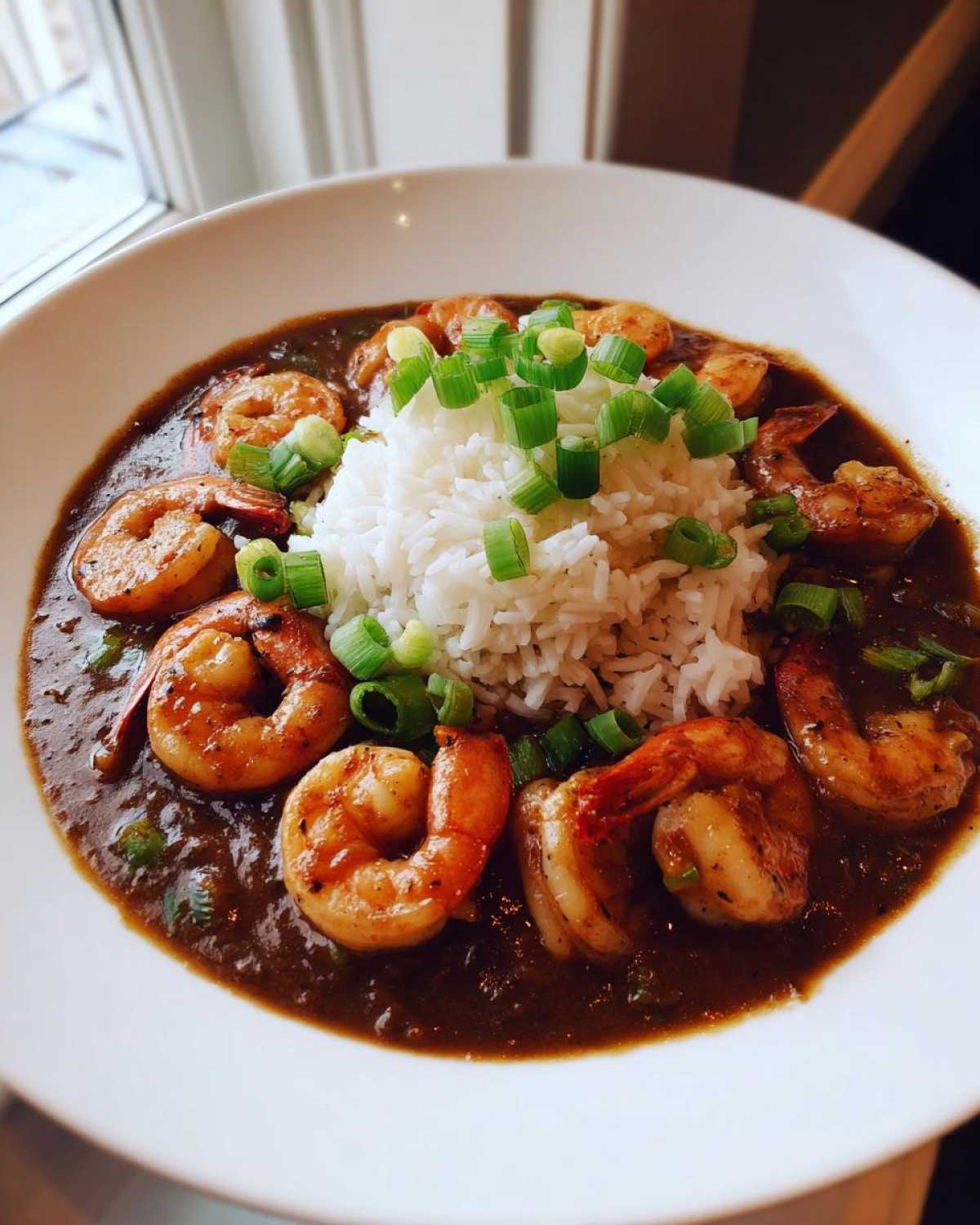
Once you hit that milk chocolate milestone, you’ve locked in the signature taste of great **Creole cooking at home**!
Step-by-Step Instructions for Rich Shrimp Étouffée
Now that you’ve conquered the mighty roux—and I bet it smelled amazing, right?—it’s time to build the rest of this incredible flavor profile. This is where we take that dark base and turn it into the deeply comforting **Rich seafood stew** you’ve been dreaming of. Forget rushing! We are cooking low and slow to let all those vibrant Cajun spices really bloom. If you need more ideas after this knockout meal, I have a dedicated spot for easy Cajun classics that you’ll want to bookmark!
After your roux is the perfect dark brown consistency we talked about, we move straight into incorporating the vegetables. These three—onion, bell pepper, and celery—are what we call the ‘holy trinity’ down here, and they form the backbone of so many **Authentic Louisiana recipes**.
Building the Flavor Base: Trinity and Aromatics
Carefully stir in your chopped onion, green bell pepper, and celery right into that hot roux. Get everything coated well! You need to cook these down until they’re soft and fragrant, which usually takes about 8 to 10 minutes of constant stirring. Don’t let them scorch now that they are sitting in that oil mix! Once they are tender, toss in your minced garlic. Garlic cooks fast, though—just one minute until you can really smell it, then move quickly to the next step.
Simmering the Flavorful Cajun Sauce Recipe
Time for the liquid magic! Pour in those diced tomatoes (juice and all!) and the broth. Stir until that gorgeous roux finally dissolves completely into the liquid, creating your beautiful **flavorful Cajun sauce recipe**. Now, toss in your thyme, paprika, cayenne pepper, and that essential bay leaf. Season with salt and pepper. Bring the whole wonderful mess to a gentle simmer, put the lid on just a touch askew, and let it cook for a minimum of 30 minutes. This slow simmer is non-negotiable; it lets those wonderful spices marry each other properly. While that simmers, swing by my Pinterest board if you need more inspiration for your next meal! You can find me over on Pinterest!
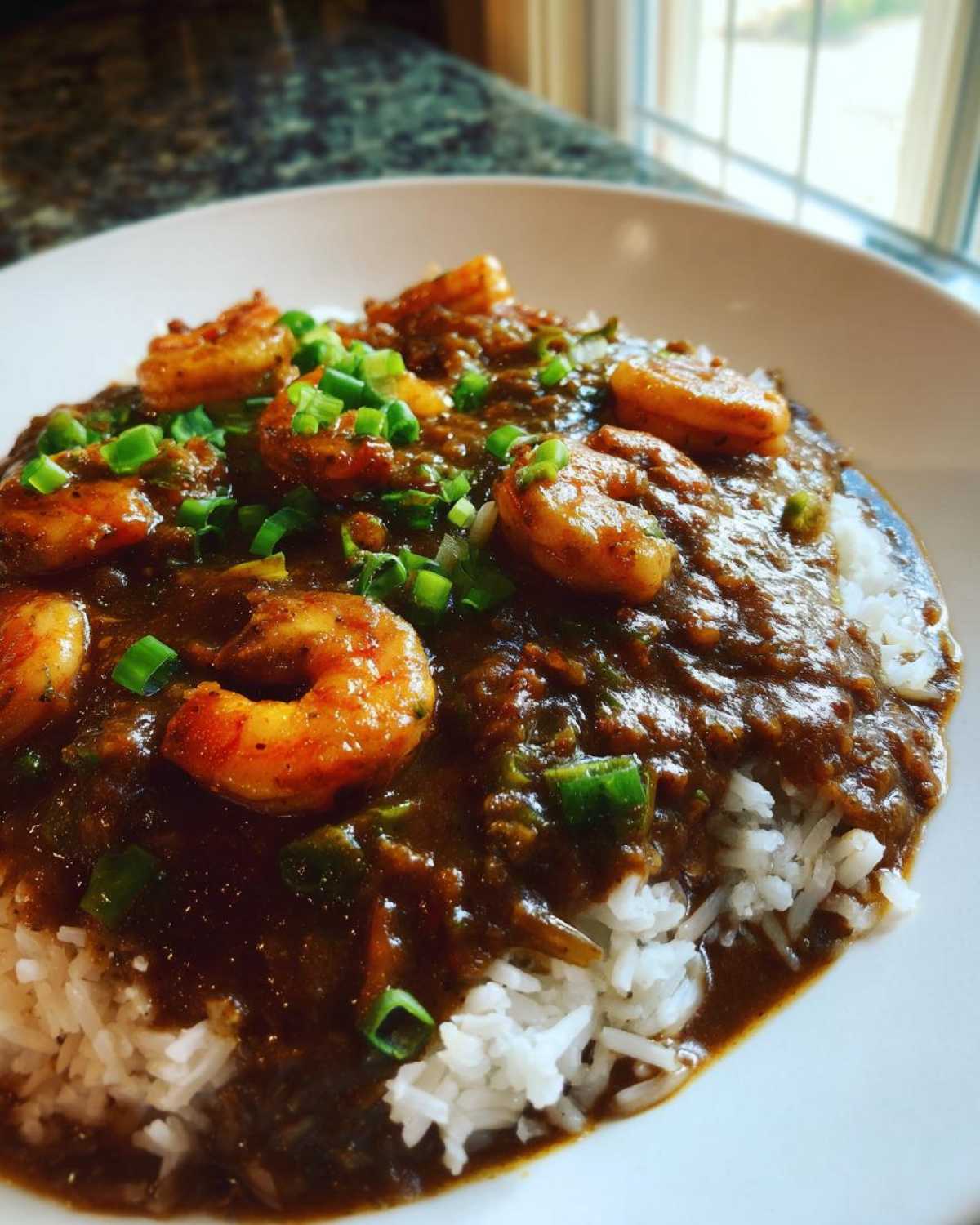
When that sauce looks deep, rich, and slightly thickened after the simmer, it’s time for the final touch—add the shrimp and watch them turn pink in just 5 to 7 minutes. Remember, only until they are just opaque! Remove the bay leaf, adjust seasoning one last time, and serve immediately over hot white rice. You just made incredible **Creole cooking at home**!
Tips for Perfecting Your Shrimp Étouffée (Expert Advice)
We’ve built a fantastic **Rich seafood stew** foundation, but even the best recipes sometimes need a tiny nudge based on your specific ingredients or mood! That’s where a little kitchen intuition comes in handy. I always remind my readers that while the measurements are key for that classic taste, being flexible is what makes a true cook.
My biggest pointer for keeping this a top-tier **Best shrimp dinner ideas** entry is the seasoning control, especially the cayenne. The recipe calls for a half teaspoon, but that depends entirely on how hot that pepper variety burns! I always suggest adding half of the cayenne first during the simmer. After that 30-minute soak time, taste it. If it needs more kick—and let’s be honest, sometimes we want more fire—add the rest then. This way, you’re never stuck with something too spicy to enjoy.
Now, let’s talk thickness. If you followed the roux instructions perfectly and let it simmer, your sauce should have thickened up nicely as the flavors melded. But what if it decided to act more like a light soup than a thick gravy? Don’t panic! You have two easy fixes. First, uncover the pot and let it simmer for an extra 10 minutes; evaporation works wonders. Second, if you’re in a hurry, mix one tablespoon of cornstarch with two tablespoons of cold water until it’s totally smooth—that’s called a slurry. Whisk that slowly into a gentle simmer, and your sauce will thicken up beautifully without getting cloudy. It’s a quick fix that keeps your amazing **shrimp étouffée** sauce clinging perfectly to the rice!
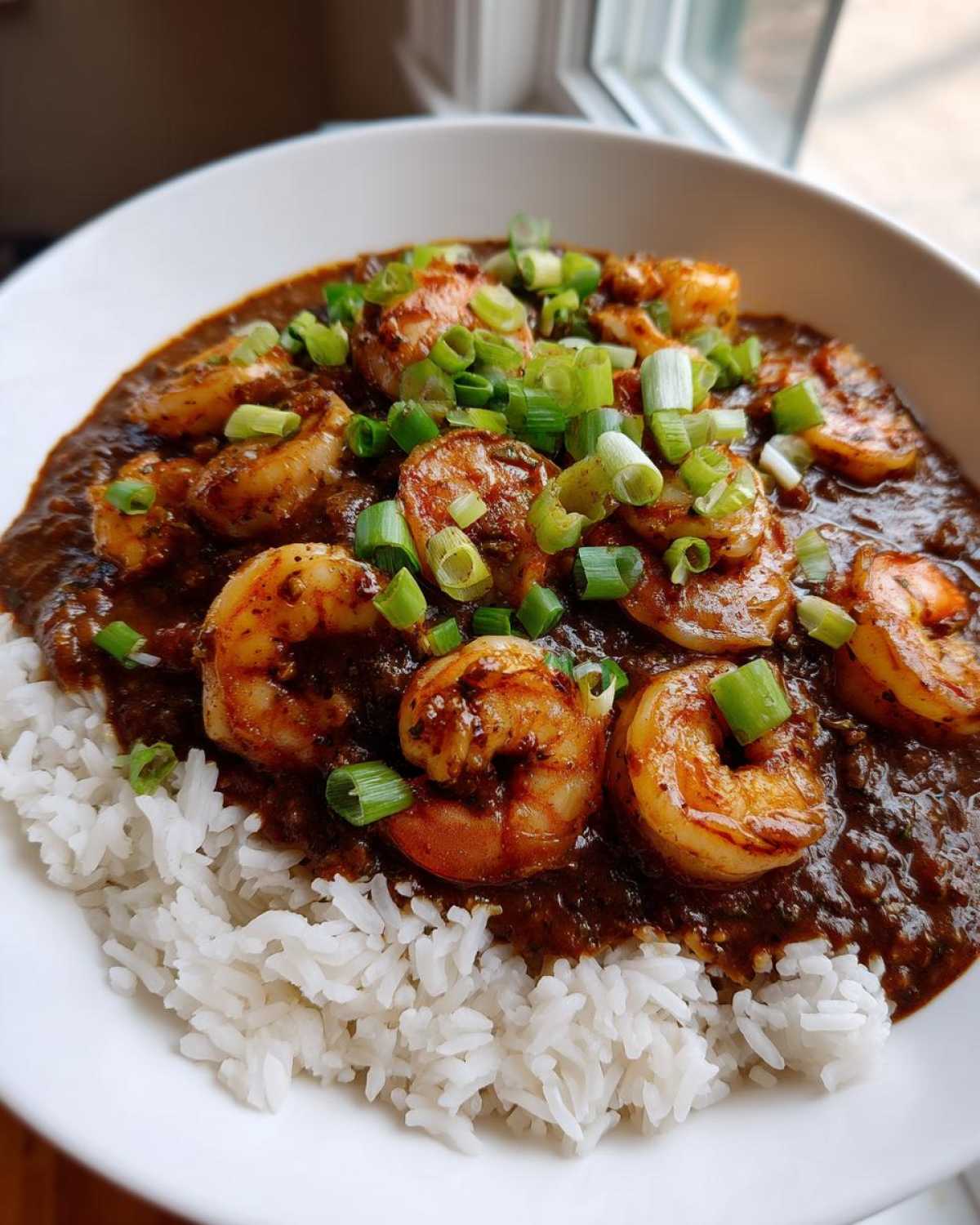
Remember that quick shrimp addition? If you happen to overcook them just a touch while tasting, don’t worry! Add a splash more broth or even a little water to thin the sauce slightly before serving. It helps mask the texture slightly and brings the salinity back in line. For more ways to bring bold flavor to your shrimp, check out my recipe for quick, flavorful Cajun shrimp with garlic butter!
Serving Suggestions for Your Shrimp Étouffée Dinner
You did it! You’ve made a decadent, authentic bowl of **shrimp étouffée**. Now, how should we serve this amazing **New Orleans comfort food**? The traditional and, honestly, the *only* way to eat it is spooned generously over a mound of plain, hot white rice. Use medium-grain rice if you can—it soaks up that rich, flavorful sauce perfectly without turning into mush. The rice acts like the perfect, slightly neutral canvas for that spicy, savory gravy!
Don’t forget the final flourish! Garnish is important here, not just for looks, but for freshness. Those chopped green onions we added to the ingredient list truly make a difference. Sprinkle them liberally right before serving for a little bit of color and a fresh, oniony bite that cuts through the richness of the roux. This dish is already a complete meal, making it one of the **Best shrimp dinner ideas** because cleanup is minimal!

If you want to serve something alongside it—maybe you have folks who aren’t big rice fans, or perhaps you just want something to sop up any extra sauce left on your plate—I highly recommend simple, fluffy bread. Homemade buttermilk biscuits, served warm, are just heavenly for dipping. They complement this dish beautifully, much like they would other **Cajun seafood recipes**. It’s Southern hospitality on a plate!
Storage and Reheating for Leftover Shrimp Étouffée
I always hope there are leftovers because, honestly, this **shrimp étouffée** tastes even better the next day once all those spices have had a chance to totally mingle! You’ve cooked your shrimp in the sauce, so we need to be careful about reheating to keep that seafood tender.
If you have any leftover **New Orleans comfort food**, store it in an airtight container in the fridge. It holds up beautifully for about 3 to 4 days. I’ve even heard from readers who use their leftover étouffée as a base for a quick lunch the next day, maybe thinning it out a bit with some broth or even spooning it over leftover rice like a quick, spicy casserole—though for the classic experience, I link to my very creamy old-fashioned rice pudding for dessert later!
Reheating Your Étouffée Gently
When it comes time to reheat, low and slow is the mantra. You want to avoid boiling this **flavorful Cajun sauce recipe** again, especially because the shrimp are already cooked. Pour the étouffée into a saucepan over medium-low heat. Stir it gently and patiently until it warms through completely. Don’t crank up the burner! If it seems a little thick after refrigeration—which is normal as the roux firms up—just stir in a splash of broth or water until you reach that perfect, velvety consistency again.
To Freeze or Not to Freeze?
This is the tricky part with any **Cajun seafood recipe** containing delicate shrimp. While the roux base freezes wonderfully, the cooked shrimp can sometimes lose a bit of texture after thawing and reheating; they sometimes get a little bit tougher or break down. Because of this, I usually don’t recommend freezing this particular **shrimp étouffée** recipe ready to eat.
However, if you made a huge batch and just can’t finish it, here’s what you can do: Separate the rich, cooked sauce, *without* the shrimp, into freezer-safe containers. Freeze that base! When you are ready to make it again, simply thaw the sauce, bring it to a simmer, and then cook your fresh shrimp right in the reheated base. That way, you get the benefit of having mastered **how to make a perfect roux** ahead of time, and your shrimp will be perfectly tender! It saves you 20 minutes of whisking on a busy night, which is always a win in my book!
Frequently Asked Questions About Making Shrimp Étouffée
It’s totally normal to have questions when diving into **Authentic Louisiana recipes**! That roux can be intimidating at first, but once you get the hang of it, this **shrimp étouffée** becomes one of your go-to **Classic Southern cuisine** dishes. Here are the things I hear most often from folks making this for the first time!
What is the difference between shrimp etouffee and gumbo?
That’s a great question that trips up lots of people! While both are staples of **Creole cooking at home**, the main difference is the structure. Gumbo is typically thinner—almost like a soup—and often uses a very dark, flour-based roux or okra as a thickener. Étouffée, which literally sounds like ‘smothered,’ is much thicker and richer; it’s meant to coat the rice completely. We aim for a medium-dark roux for this **shrimp étouffée**, which keeps it thick enough to smother the rice, but it’s generally not as deep brown as one used for a heavy Gumbo. Think of étouffée as a thick, savory stew, perfect for soaking into your rice!
Can I use frozen shrimp in this shrimp etouffee recipe?
You absolutely can, especially if you are looking for **Quick weeknight seafood meals**! Frozen shrimp are often flash-frozen right after being caught, so the quality can be surprisingly good. The key is how you thaw them. Don’t just toss them in the sauce while frozen; they’ll cook unevenly and water down your sauce. My advice is this: Place the frozen shrimp in a colander in the sink and run *cold* water over them for about 10 minutes, stirring occasionally until they are flexible. Then, pat them really dry with paper towels before adding them to the simmering sauce in the last 5–7 minutes. This preparation keeps you from messing up that beautiful simmer we worked so hard for!
My roux turned black! What do I do now?
Oops! It happens to the best of us, I promise! If your roux turns black and smells sharply burnt, unfortunately, you have to throw it out and start over with a clean pot. That burnt taste is intense and will ruin the entire pot of **shrimp étouffée**. My recommendation: lower the heat slightly next time, and use a light-colored pot so you can see the color change better. Remember, we want milk chocolate, not charcoal! Once you get that color right, your **flavorful Cajun sauce recipe** base will be perfect. If you like exploring deep flavors, maybe try my recipe for creamy chicken tortellini soup next time you need a savory comfort food embrace!
Sharing Your Shrimp Étouffée Creations
My favorite part of sharing these amazing **Authentic Louisiana recipes** is seeing your results! I truly hope your homemade **shrimp étouffée** was everything you dreamed of. Please jump down below and leave a star rating—let me know how your roux turned out!
If you snapped a picture of your beautiful bowl served over rice, please share it on social media! Tag me so I can see your work; I’m always sharing great food photos over on my Pinterest—you can find that right here on Pinterest!
If you want something easy to serve alongside this **Classic Southern cuisine**, you absolutely must try my recipe for an easy cheese ball for your next gathering!
PrintAuthentic New Orleans Style Shrimp Étouffée

Make this classic, flavorful Shrimp Étouffée at home. This recipe guides you through creating a perfect roux for a rich, savory Cajun comfort food experience.
- Prep Time: 15 min
- Cook Time: 50 min
- Total Time: 65 min
- Yield: 4 servings 1x
- Category: Dinner
- Method: Stovetop Simmering
- Cuisine: Cajun
- Diet: Low Lactose
Ingredients
- 1/2 cup all-purpose flour
- 1/2 cup vegetable oil
- 1 large yellow onion, chopped
- 1 green bell pepper, chopped
- 2 celery stalks, chopped
- 3 cloves garlic, minced
- 1 pound raw shrimp, peeled and deveined
- 1 (14.5 ounce) can diced tomatoes, undrained
- 2 cups seafood or chicken broth
- 1 teaspoon dried thyme
- 1 teaspoon paprika
- 1/2 teaspoon cayenne pepper (adjust for spice preference)
- 1 bay leaf
- Salt and black pepper to taste
- 1/4 cup chopped green onions, for garnish
- Hot cooked white rice, for serving
Instructions
- Prepare the roux: In a heavy-bottomed pot or Dutch oven, combine the flour and oil over medium heat. Whisk constantly until the mixture turns a dark, rich brown color, similar to milk chocolate. This step takes patience, about 20 to 30 minutes. Watch carefully to prevent burning.
- Add the trinity: Add the chopped onion, bell pepper, and celery (the ‘holy trinity’) to the roux. Cook, stirring frequently, until the vegetables soften, about 8 to 10 minutes.
- Stir in the garlic and cook for 1 minute until fragrant.
- Add the liquid and seasonings: Pour in the diced tomatoes (with juice) and the broth. Stir well to incorporate the roux into the liquid. Add the thyme, paprika, cayenne pepper, and bay leaf. Season with salt and pepper.
- Simmer: Bring the mixture to a simmer. Reduce the heat to low, cover partially, and let it cook for at least 30 minutes, allowing the flavors to meld. Stir occasionally to prevent sticking.
- Cook the shrimp: Add the peeled and deveined shrimp to the simmering sauce. Cook for 5 to 7 minutes, or until the shrimp turn pink and opaque. Do not overcook the shrimp.
- Adjust seasoning: Remove the bay leaf. Taste the étouffée and adjust salt and pepper as needed. If the sauce is too thick, add a little more broth.
- Serve immediately over hot cooked white rice. Garnish each serving with chopped green onions.
Notes
- Mastering the roux is key to authentic Cajun flavor; aim for a color between peanut butter and milk chocolate for this dish.
- If you prefer a less spicy dish, reduce the cayenne pepper or omit it entirely.
- Serve this rich seafood stew with crusty bread to soak up the extra sauce.
Nutrition
- Serving Size: 1 serving
- Calories: 450
- Sugar: 5
- Sodium: 650
- Fat: 22
- Saturated Fat: 4
- Unsaturated Fat: 18
- Trans Fat: 0
- Carbohydrates: 35
- Fiber: 3
- Protein: 30
- Cholesterol: 210