
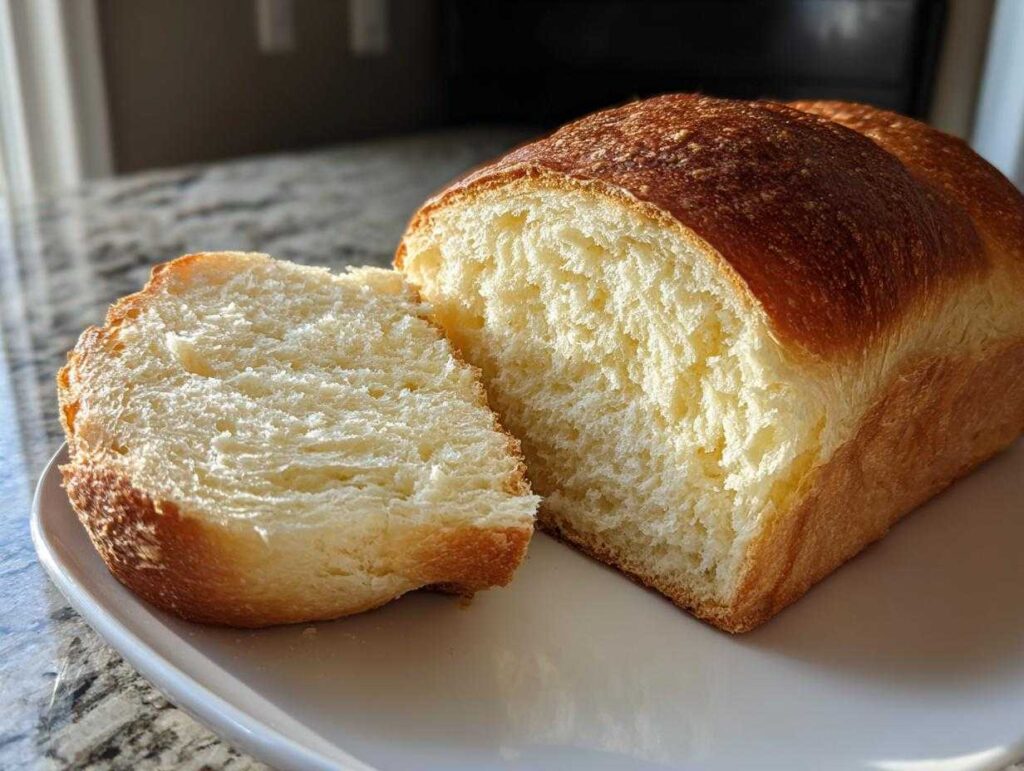
Oh, the smell of freshly baked bread filling your kitchen! Seriously, nothing beats it, right? I used to be terrified of yeast recipes—I thought making homemade bread meant kneading for an hour and waiting days for a rise. But that all changed when I perfected this recipe. Trust me, this is the absolute easiest homemade bread you will ever try that still manages to be perfectly soft and fluffy inside! If you thought baking artisan bread from scratch was too much work, this recipe is here to prove you wonderfully wrong. Get ready to make your family demand homemade bread every single week!
- Why This Homemade Bread Recipe is Your New Favorite
- Essential Ingredients for Your Fluffy Yeast Bread
- Step-by-Step Instructions to Bake Homemade Bread
- Tips for Success When Making Artisan Bread From Scratch
- Storage & Reheating Instructions for Leftover Bread
- Variations: Turning This Bread into Savory Bread Recipes
- Serving Suggestions for Your Freshly Baked Bread
- Frequently Asked Questions About Making Bread
- Estimated Nutritional Value of This Bread
- Estimated Nutritional Value of This Bread
Why This Homemade Bread Recipe is Your New Favorite
I need you to save this recipe right now because it changed everything for me! If you’ve been scrolling Pinterest wishing you could tackle yeast baking but feeling overwhelmed, this recipe is your absolute golden ticket. Forget complicated folding or hours of aggressive kneading. This is seriously some of the most rewarding easy bread baking you can do.
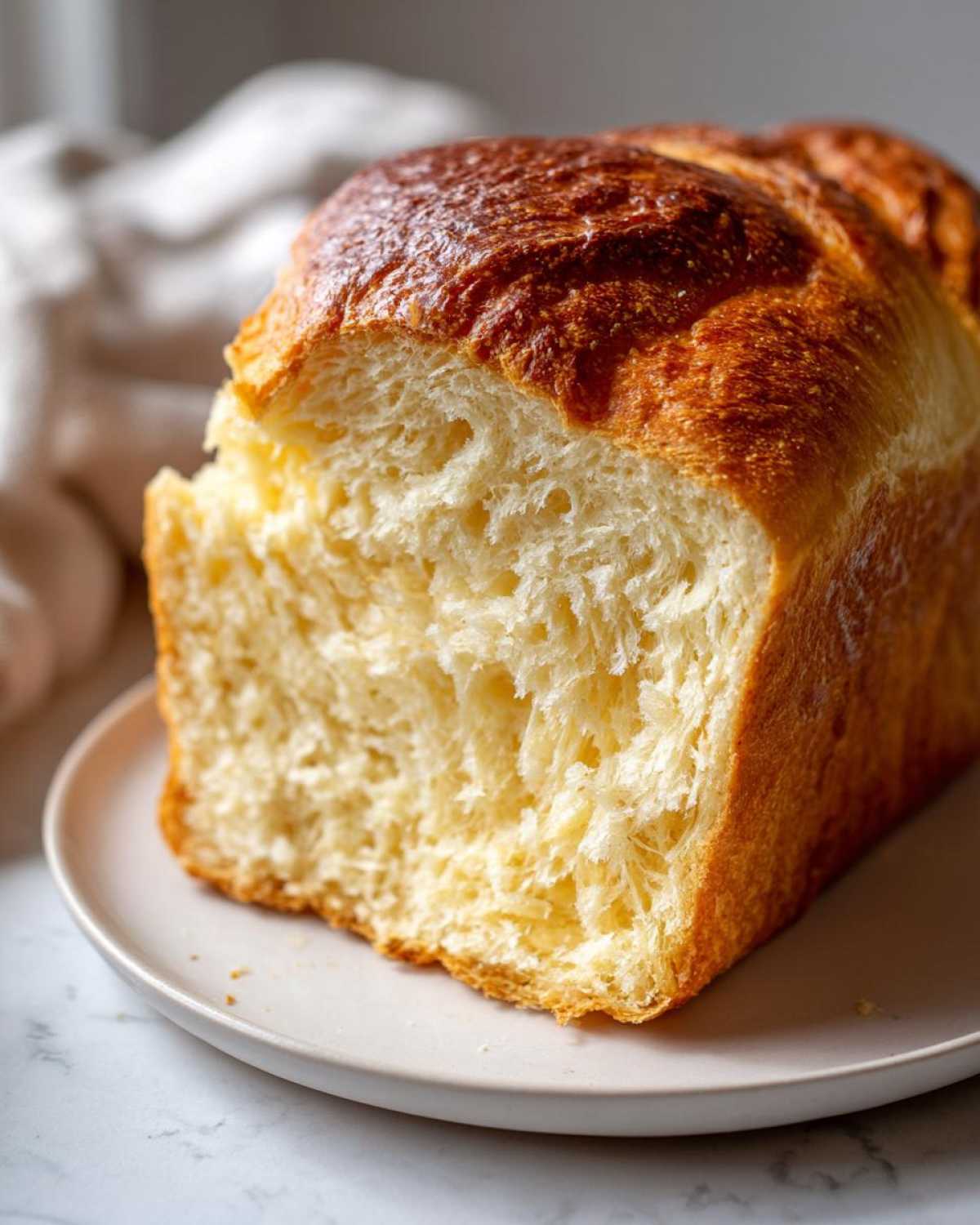
- It’s practically foolproof! The prep time is minimal, and we let the yeast do most of the heavy lifting.
- You end up with a gorgeous, tall loaf that slices like a dream.
Perfect for the Beginner Bread Recipe Seeker
If your experience making bread starts and stops with tearing off a piece of store-bought sourdough, you’re in the right place. This recipe focuses on simple measurements and basic techniques. You only knead for about 5 to 7 minutes; that’s it! It’s the perfect confidence booster to dive into the world of yeast bread recipes without any fear.
Achieving That Soft Sandwich Bread Texture
This is where the magic really shows up! We are aiming squarely for that ultra-soft sandwich bread texture your kids crave for school lunches, but with the wonderful golden crust you only get from baking fresh at home. That melted butter brush at the end guarantees a slight crisp when it comes out of the oven, contrasting perfectly with the impossibly fluffy insides. Speaking of which, if you’re looking for another easy staple, you might want to check out how to make my homemade English muffins!
Essential Ingredients for Your Fluffy Yeast Bread
Okay, the ingredient list for this amazing bread is super simple. I mean it! We aren’t using any weird flours or specialty items here; you probably have everything ready to go in your pantry this second. We have water, yeast, sugar to feed that yeast, that’s the base right there. Then we move into the essentials for structure and flavor: flour, salt, and a little bit of melted butter to finish it off. See? No fuss!
When I started dabbling in yeasted doughs, I was always so confused about why my yeast wouldn’t wake up or why my loaf collapsed. It usually came down to temperature or old ingredients, honestly. Following these simple ingredient requirements means you’re already setting yourself up for success!
Ingredient Notes and Substitutions for Perfect Bread
Let’s talk details, because bread loves its routine! For the water, you absolutely need it to be warm—think bath water temperature, not scalding hot. We aim for 105 to 115 degrees Fahrenheit. If it’s colder, the yeast will be sleepy; too hot, and you kill it dead, and then your bread won’t rise at all. Don’t skip checking that temperature, it’s key!
We use active dry yeast here, and it needs that tiny bit of sugar upfront to truly bloom and get active. And that little bit of melted unsalted butter at the end? Don’t skip it! It sounds minor, but it makes a huge difference in keeping the baked loaf tender and rich, giving us that soft texture we’re chasing. You can use oil in desperation, but the butter really locks in that comforting flavor we want from homemade bread.
Step-by-Step Instructions to Bake Homemade Bread
Alright, deep breath! We are walking through the process of how to bake homemade bread together, and by the time you’re done, you’ll wonder why you ever bought a loaf from the store. The secret here is being patient during the resting stages and gentle during the mixing. Remember, yeast is alive, so we treat it nicely!
Activating the Yeast and Mixing the Bread Dough
The very first thing—and I mean the *very* first thing—is waking up your yeast. Get that warm water ready, make sure it’s definitely in that 105°F to 115°F range. You sprinkle the sugar and the yeast right on top, give it a little stir, and then you just leave it alone! If you see it getting foamy, like a head of beer foam, congratulations! Your yeast is happy and ready to work. If nothing happens after ten minutes, I’m afraid you need to start that step over with fresh yeast.
Once it’s foamy, you dump in your dry stuff—flour and salt—and mix it up with a big wooden spoon until it just barely comes together into this shaggy mess. Don’t try to make it beautiful yet; that comes next!
Kneading Technique for Tender Crumb Bread
Time to use your hands! Turn that shaggy dough out onto a lightly floured surface. We are going to knead this for about 5 to 7 minutes. You push down and away with the heel of your hand, then fold it over, turn it a quarter turn, and repeat. You’re not trying to punch the life out of it; you are developing gluten so that amazing tender crumb bread forms later.
How do you know when you’re done kneading? The dough will stop feeling sticky and rough. It will look smooth, soft, and it should spring back slowly when you poke it gently with a finger. If it feels tough or overly dry, add just a teaspoon of water, but usually, that little bit of kneading is plenty.
The Two Rises: Proofing Your Bread
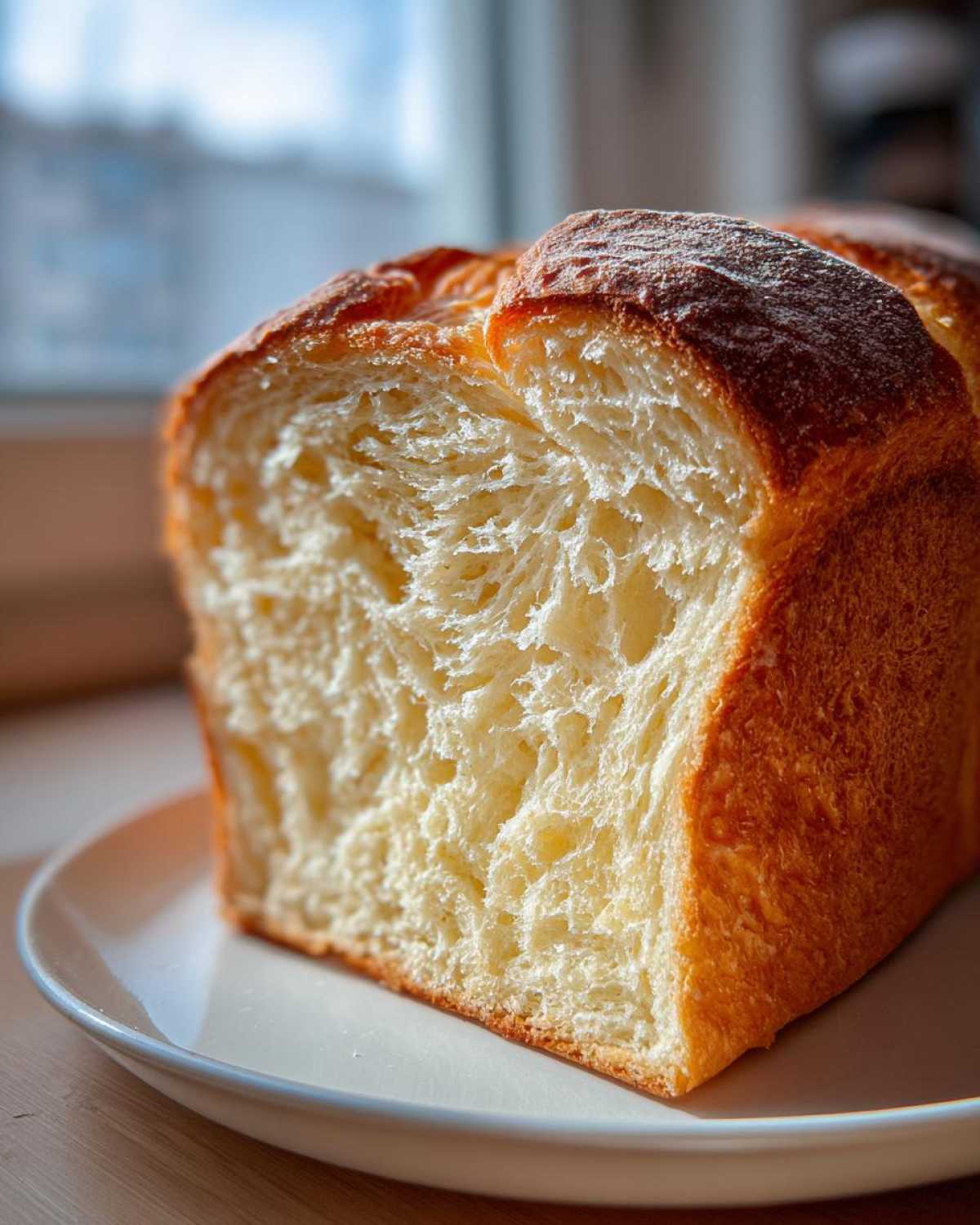
This is where we lean into comfort food baking! Oil up a nice big bowl—I love using my glass mixing bowl so I can watch the action, but any bowl works. Pop the dough in, turn it over once so it gets a little oily coat, and cover it up. Now find a warm spot. Maybe near a stove or in an off oven with the light on. Give it a solid 1 to 1.5 hours to double—it should look totally puffy!
Once it’s doubled, punch it down gently—that’s super therapeutic, by the way—shape it into your loaf, tuck it into your greased 9×5 pan, and let it have a second, shorter nap for about 30 to 45 minutes. This second rise develops so much flavor! I always think about how satisfying it is to serve this alongside a big pot of cheesy rigatoni pasta bake.
Tips for Success When Making Artisan Bread From Scratch
Even though this is our super easy, soft loaf recipe, nobody minds a little rustic charm, right? The difference between good homemade bread and absolutely *great* homemade bread usually comes down to how you handle the very end of the process. We want that golden shell, even if the inside is cloud-like!
When that second rise is done, resist the urge to use plastic wrap directly against the dough for the final proof in the pan. While it works fine, I really prefer covering that loaf pan loosely with a clean, lightweight kitchen towel—like a nice cotton tea towel. It allows the dough to breathe a little bit while still trapping enough humidity to prevent a dry skin from forming on top. A dry top skin can sometimes inhibit the final oven spring!
Getting That Golden Brown Crust on Your Bread
Okay, baking time! You need that oven scorching hot for the best results, so make sure you preheat properly to 375°F. The recipe tells you to brush the dough with that melted butter right before it goes in, and please, don’t skip that tiny step. It adds flavor, yes, but it mostly helps achieve that gorgeous, deep golden-brown color that makes people stop and ask, “Did you really bake that?”
Now, remember, looks can be deceiving when you’re aiming for that perfect internal bake. The toothpick test is fine, but for true peace of mind with yeast bread, you need a thermometer. Aiming for an internal temperature of 200°F (93°C) is your foolproof sign that the structure is set and every bit of starch has cooked perfectly. Also, when you pull it out, transfer it immediately to a wire rack! Leaving it in the pan means the bottom steam gets trapped, and we definitely don’t want a soggy bottom here. If you love baking touches like this, check out my tips on making the best vanilla buttercream—same dedication to finishing touches!
Storage & Reheating Instructions for Leftover Bread
This is the part where I usually sigh dramatically because, let’s be honest, sometimes my family eats the entire loaf before bedtime! But when we *do* manage to save any of this fluffy bread, storage is super important, especially since it doesn’t have any preservatives like the stuff from the store.
The number one rule for keeping this soft sandwich bread from getting stale too quickly is cutting off its air supply! As soon as that loaf has completely cooled down—and I mean completely cooled, otherwise you trap steam and get a moist mess—you need to get it into an airtight container or wrap it tightly in plastic wrap, followed by aluminum foil. This keeps that lovely soft texture locked in for about three to four days.
If you know you won’t get through it that fast, freezing is your friend! I like to slice the entire loaf first, wrap the slices in plastic wrap, and then put them all into a heavy-duty freezer bag. You can pull out a slice or two whenever you need it for toast.
Now, the best part about reheating… it brings it right back to ‘just out of the oven’ status! If you have a whole loaf, just spritz the top lightly with some water, wrap it loosely in foil, and pop it into a 350°F oven for about 10 to 15 minutes. For a single slice, just a quick zap in the toaster or microwave (seriously, 10 seconds!) brings back that incredible fluffiness. Don’t settle for sad, dry bread when you can refresh it in minutes!
Variations: Turning This Bread into Savory Bread Recipes
Who says bread has to be sweet or neutral? One of the best things about mastering this basic yeast loaf is how easily you can transform it into incredible savory bread recipes! It’s just flour, water, and yeast, so anything you toss in during the kneading stage will grab hold and bake up beautifully. Think about how amazing this would be instead of plain rolls at your next big dinner!
The best time to add these extras is right at the end of your kneading process, adding them along with the last small handful of flour, or just tossed in right before the first rise. You want to make sure they are evenly distributed so you don’t end up with one giant clump of cheddar in the corner of your loaf.
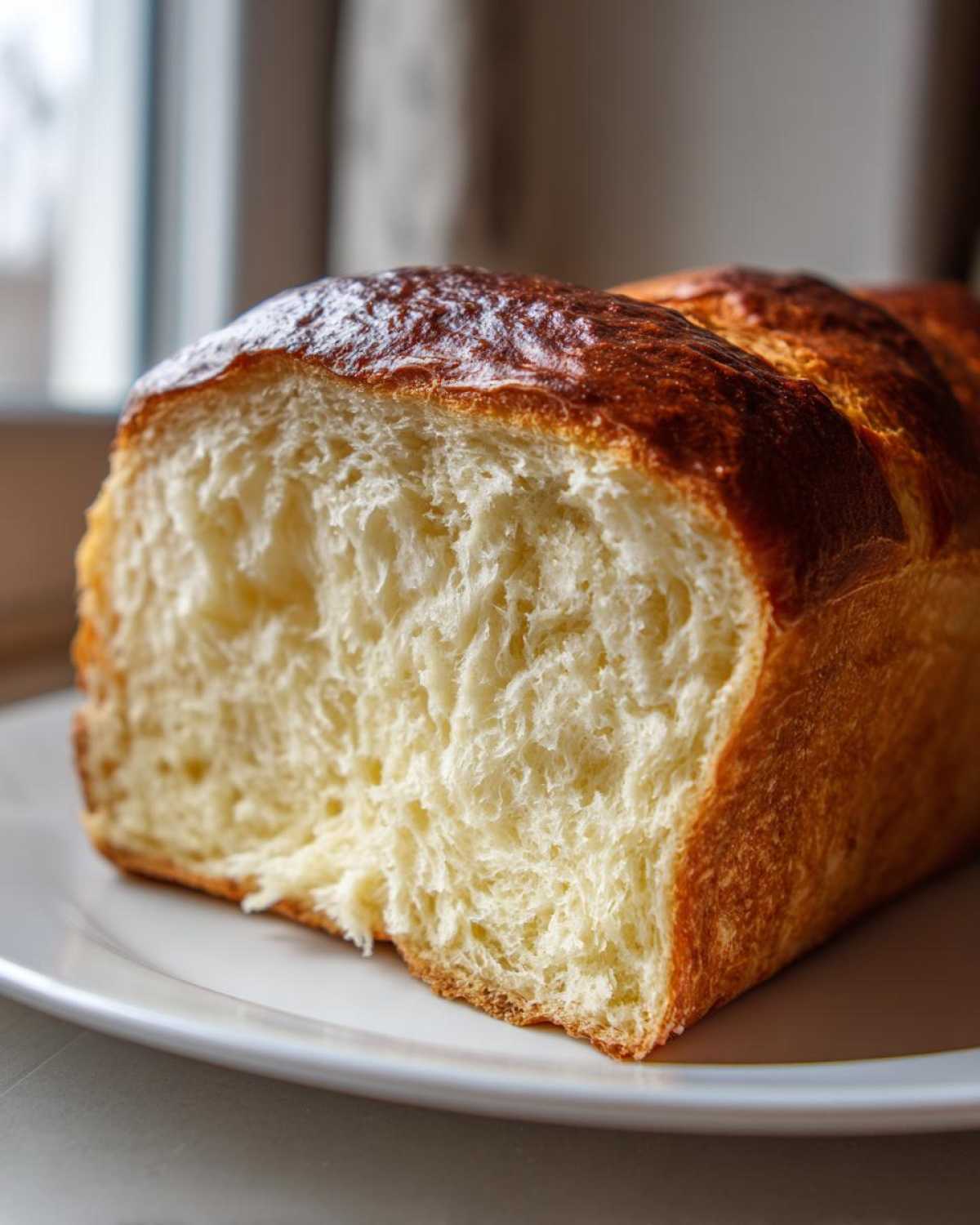
If you’ve been looking for an easy savory bake that isn’t cornbread (though you should totally check out my skillet cornbread!), these ideas are fantastic:
- Garlic Lover’s Dream: Stir in 2 teaspoons of garlic powder and 1 teaspoon of dried Italian herbs with your salt and flour. Brush the top generously with melted garlic butter just before baking instead of plain butter. Instant flavor bomb!
- Cheesy Goodness: Add 1 cup of sharp cheddar or Parmesan cheese shreds during the last two minutes of kneading. If you use Parmesan, sprinkle an extra tablespoon on top before it bakes for a crispy cheese crust—so good!
- Spice It Up: For a savory kick, try 1 teaspoon of smoked paprika and 1/2 teaspoon of cayenne pepper mixed in. This gives the loaf a gorgeous color too!
Remember, any additions will impact the final moisture content slightly, so if you add herbs, make sure they are dried. If you add wet ingredients like cheese, make sure you don’t have to add much extra flour when kneading, or the final bread might be a little dense since cheese adds its own fat content.
Serving Suggestions for Your Freshly Baked Bread
Now that you have this perfect, soft loaf cooling on the rack (and trust me, you need to let it cool, even though it smells heavenly!), the real fun begins: eating it! This bread truly shines because it fits into nearly every category of comfort food baking you can imagine. It’s simple enough for breakfast but sturdy enough for a big dinner centerpiece.
Since we achieved that wonderful soft sandwich bread texture, it tears apart beautifully when it’s still warm. Forget the sad, squished supermarket loaf; this bread stands up to fillings and toasting!
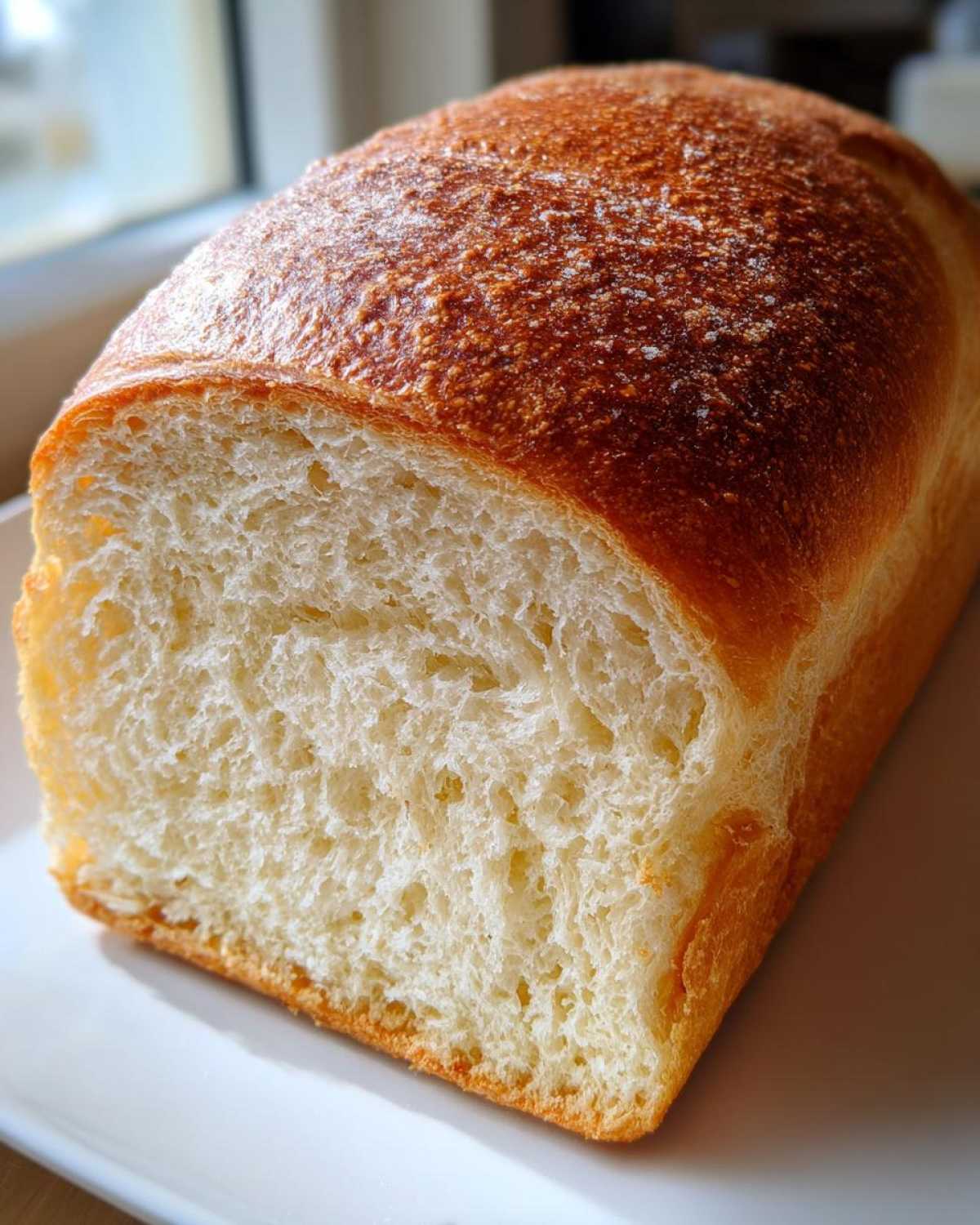
- The Ultimate Toast: Slice it thick, toast it until golden, and smother it with butter and jam. Honestly, adding a drizzle of hot honey to that butter makes it next-level amazing. If you love dips, my whipped ricotta dip with hot honey is made for pulling apart pieces of this fresh loaf!
- Dinner Companion: This is the perfect partner for any saucy dish—think spaghetti night, chili, or even a hearty stew. Don’t waste those delicious juices; use this bread to soak up every last drop!
- Sandwiches that Sing: No more flimsy sandwich bread collapsing under your roast beef! The structure is just right. It also makes the absolute best grilled cheese because it toasts so evenly on the outside while the inside stays soft and steamy.
Just seeing that golden top makes me want to grab a knife right now! Seriously, you achieved something wonderful here; treat this bread like the star it is.
Frequently Asked Questions About Making Bread
I know we covered a lot of ground, from kneading worries to getting that perfect golden crust. Baking a great loaf of homemade bread recipe can sometimes bring up little snags, so I wanted to answer the questions I always get asked most often. Don’t stress if something seems tricky; we just tweak the process a tiny bit!
Can I use instant yeast instead of active dry yeast for this bread?
Yes, you totally can! People often ask about yeast substitutes, and this is an easy one. Instant yeast doesn’t need that foamy proofing step because it’s already activated and ready to go. If you use instant yeast, just skip Step 1 where you mix it with water and sugar to foam. Measure out your instant yeast and mix it directly in with your flour and salt in Step 2. Easy peasy! It saves you about 10 minutes worth of waiting time, which is great when you want that quick bread recipe faster.
Why didn’t my bread dough rise properly?
Oh, the dreaded flat dough! It’s usually one of two things, and neither is your fault, really. First check: the yeast itself. Is that packet of yeast super old? If your yeast didn’t foam up in Step 1, it was probably dead, and nothing will rise without happy yeast! Second, check the temperature again. If the water was too hot, it killed the yeast. If it was too cold, the yeast just took forever to wake up. For your next attempt at this yeast bread recipe, just make sure that warm water is cozy, but not boiling hot!
How do I get a crustier loaf if I don’t have a Dutch oven?
That’s an excellent question, because not everyone has a giant Dutch oven lying around! While those pots trap steam beautifully for an artisan bread from scratch look, you can fake it! The goal is steam. About 15 minutes before your bread goes in to bake, place an empty, oven-safe roasting pan on the bottom rack. When you put your loaf in the middle rack, carefully pour about a cup of boiling water into that hot pan below it. That burst of steam creates a moist environment for the first 10 minutes of baking, which really helps set that crispy crust you want on your crusty bread loaf. Just be super careful when you pull that pan out later!
If you want to check out some faster options than yeast loaves, I have a great post on my other account about making a quick teriyaki sauce—sometimes low-effort wins! And if you want even more recipe inspiration, you can always pop over and check out our main page on Pinterest over at RecipesVault!
Estimated Nutritional Value of This Bread
Since we are all about transparent home cooking here, I wanted to give you a general idea of what’s in one slice of this amazing loaf. Remember, this is just an estimate based on the ingredients listed, and if you add cheese or extra butter, those numbers will jump up a bit!
For one slice of this unbelievably fluffy bread tutorial result (based on 12 generous slices):
- Calories: About 150
- Fat: Roughly 2 grams
- Carbohydrates: Around 30 grams
- Protein: About 4 grams
- Sugar: Very little, maybe 1 gram
It’s a fantastic, satisfying base for anything you want to put on it, whether it’s savory or sweet. Enjoy knowing you’ve baked something truly wonderful, completely from scratch!
Estimated Nutritional Value of This Bread
Since we are all about transparent home cooking here, I wanted to give you a general idea of what’s in one slice of this amazing loaf. Remember, this is just an estimate based on the ingredients listed, and if you add cheese or extra butter, those numbers will jump up a bit!
For one slice of this unbelievably fluffy bread tutorial result (based on 12 generous slices):
- Calories: About 150
- Fat: Roughly 2 grams
- Carbohydrates: Around 30 grams
- Protein: About 4 grams
- Sugar: Very little, maybe 1 gram
It’s a fantastic, satisfying base for anything you want to put on it, whether it’s savory or sweet. Enjoy knowing you’ve baked something truly wonderful, completely from scratch!
PrintEasiest Homemade Fluffy Yeast Bread: Soft Loaf in 5 Steps

Bake the world’s easiest yeast bread! This recipe delivers a soft, fluffy loaf with a crisp, golden crust. It is perfect for beginners and requires minimal effort for delicious homemade bread.
- Prep Time: 20 min
- Cook Time: 35 min
- Total Time: 2 hours 5 min
- Yield: 1 loaf 1x
- Category: Baking
- Method: Yeast Baking
- Cuisine: American
- Diet: Vegetarian
Ingredients
- 1 1/2 cups warm water (105-115°F)
- 2 1/4 teaspoons active dry yeast
- 1 tablespoon granulated sugar
- 3 3/4 cups all-purpose flour, plus more for dusting
- 1 1/2 teaspoons salt
- 2 tablespoons unsalted butter, melted
Instructions
- In a large bowl, combine the warm water, yeast, and sugar. Let this mixture sit for 5 to 10 minutes until it becomes foamy. This shows your yeast is active.
- Add the flour and salt to the yeast mixture. Mix with a wooden spoon until a shaggy dough forms.
- Turn the dough out onto a lightly floured surface. Knead for about 5 to 7 minutes until the dough is smooth and elastic. You want a soft, tender crumb, so avoid adding too much extra flour.
- Place the dough in a lightly oiled bowl, turning to coat. Cover the bowl with plastic wrap or a clean kitchen towel. Let the dough rise in a warm spot for 1 to 1.5 hours, or until it has doubled in size.
- Gently punch down the risen dough. Shape it into a loaf and place it in a greased 9×5 inch loaf pan. Cover loosely and let it rise again for 30 to 45 minutes, or until it has nearly doubled.
- Preheat your oven to 375°F (190°C). Brush the top of the loaf with the melted butter.
- Bake for 30 to 35 minutes, or until the top is golden brown and the internal temperature reaches 200°F (93°C).
- Remove the bread from the pan immediately and let it cool completely on a wire rack before slicing. Enjoy this amazing homemade bread recipe!
Notes
- For an even softer crust, cover the loaf loosely with foil for the last 10 minutes of baking.
- If you want to make savory bread recipes, consider adding 1 teaspoon of garlic powder to the dry ingredients.
- This soft sandwich bread is excellent toasted for breakfast.
Nutrition
- Serving Size: 1 slice
- Calories: 150
- Sugar: 1
- Sodium: 250
- Fat: 2
- Saturated Fat: 1
- Unsaturated Fat: 1
- Trans Fat: 0
- Carbohydrates: 30
- Fiber: 1
- Protein: 4
- Cholesterol: 0