
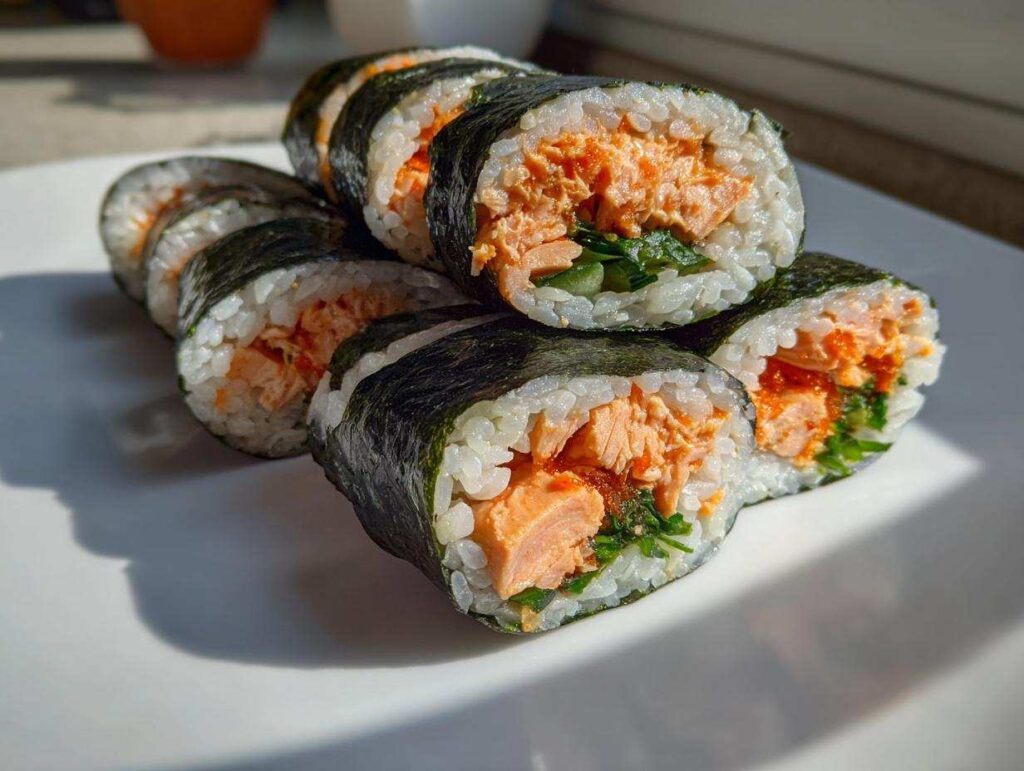
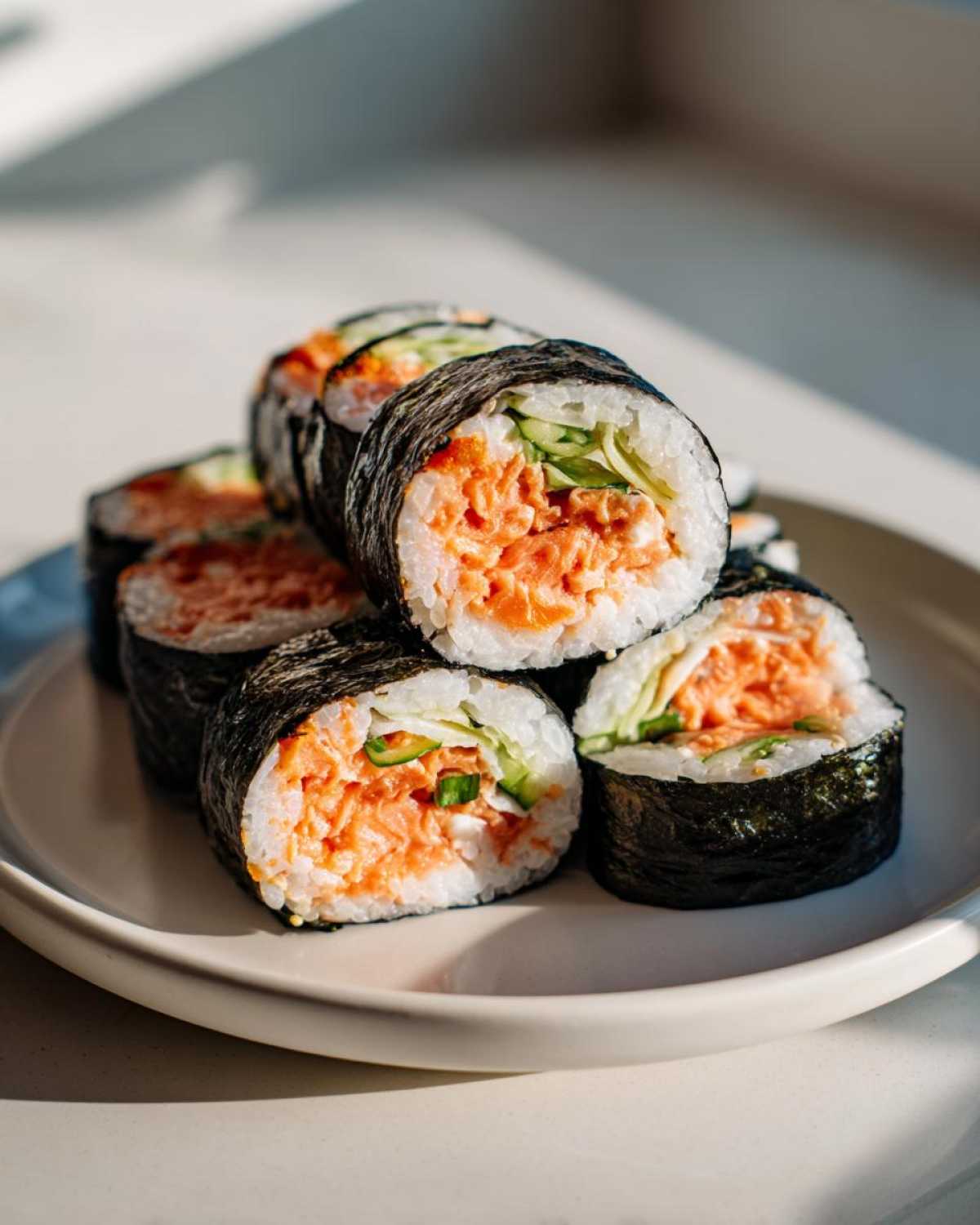
Sometimes you just crave that perfectly rolled, savory burst of flavor that only Korean food delivers, right? But who has hours to spend prepping veggies and making complicated fillings on a Tuesday night? Me neither! That’s why I am so excited to share my ultimate shortcut: the **Tuna Kimbap**. Forget those bland, soggy rolls you grab from the corner shop; we’re making the incredibly popular **Spicy Tuna Kimbap**, or Chamchi Kimbap, from scratch. My culinary philosophy, born in my grandma’s kitchen, is that great flavor shouldn’t take all day, and this recipe proves it. In just about 15 minutes, you’ll have fresh, vibrant Korean seaweed rolls that taste absolutely unbelievable. Trust me, this easy recipe is about to become your go-to quick Asian lunch idea!
- Why This Spicy Tuna Kimbap Recipe Is Your New Favorite
- Essential Ingredients for Flavorful Tuna Kimbap
- Step-by-Step Instructions: How to Make Kimbap Rolls
- Pro Tips for Perfect Tuna Kimbap Rolls
- Variations: Moving Beyond Classic Tuna Kimbap
- Storage and Make Ahead Finger Foods Tips for Tuna Kimbap
- Serving Suggestions for Your Flavorful Seaweed Rolls
- Frequently Asked Questions About Tuna Kimbap
- Estimated Nutritional Information for This Tuna Kimbap Recipe
Why This Spicy Tuna Kimbap Recipe Is Your New Favorite
I know you’re busy, and that’s why I’ve refined this Tuna Kimbap so it’s ridiculously fast but tastes like you spent hours on it. This truly is the Best Tuna Gimbap for those hectic weeknights when you need something satisfying. People rave about how this spicy version beats anything they pick up on the run!
- It’s lightning fast! I’m talking about 15 minutes flat if you have your rice ready.
- It works perfectly for every occasion—from packing in lunchboxes to setting out as game day snacks.
- The flavor payoff from that simple spicy tuna mix is huge. You won’t believe the taste for so little effort.
Speedy Preparation: Ready in 15 Minutes
Seriously, this recipe is Easy Kimbap central. The magic happens because we are cheating a little bit! We start with pre-cooked short-grain rice. Just season it up while you mix the tuna, and you are ready to roll. No cooking required for the filling, which keeps that total time right around 15 minutes. It’s glorious for quick Asian lunch ideas!
Perfect for Kimbap for Lunchbox and Appetizers
I often make a double batch because it’s such a fantastic inclusion for lunchboxes. Kids love them, and honestly, so do I! They hold their shape so well, making them ideal Make Ahead Finger Foods. Pack them tomorrow for a picnic, or slice them up small for impressive Korean Food Appetizers at your next get-together. If you’re looking for similar speedy handheld savory snacks, you should check out my recipe for creamy ham salad—another lunchtime superstar!
It’s always fun to see how others tackle this flavor bomb; check out the amazing Spicy Tuna Kimbap Rolls ideas floating around out there!
Essential Ingredients for Flavorful Tuna Kimbap
Okay, so the secret to making these Homemade Korean Seaweed Rolls taste way better than takeout isn’t about adding ten different vegetables—it’s about dialing in the star of the show: the tuna filling! If you use the right stuff here, you’ve won half the battle. I always find that using canned tuna packed in oil gives a richer overall flavor than plain in water, but you MUST drain it incredibly well. Soggy tuna makes sad kimbap!
It’s not just about what you put in, but *which* version of that ingredient you use. If you can find it, go for Japanese mayonnaise, like Kewpie. Oh my gosh, that little bit of acidity and extra sweetness makes such a difference in the creaminess of the filling. You won’t regret stocking up if you love making savory snack recipes like this one! For more recipe breakthroughs, you absolutely have to check out my guide on creamy Dijon chicken—it uses a similar philosophy of small ingredient tweaks for big impact.
Crafting the Perfect Spicy Tuna Filling
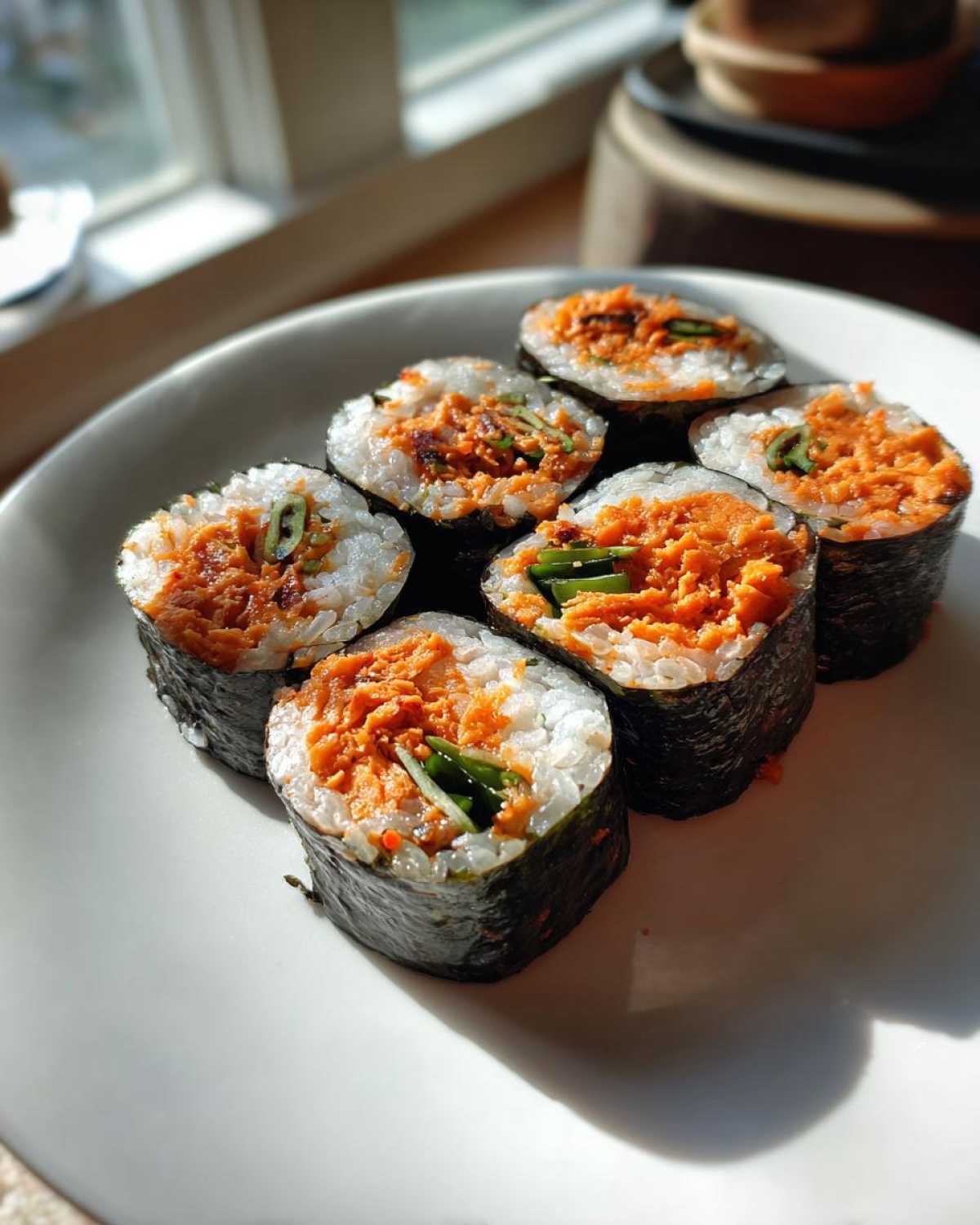
This is where the magic happens for your spicy kick! We’re keeping it super simple, focusing on the canned tuna, your favorite mayonnaise (hopefully Kewpie!), and Sriracha for that heat you were looking for. When mixing, aim for a texture that’s creamy but still flaky. If your tuna is overly wet, your rice will get gummy once you roll it. I usually press the drained tuna down hard in the bowl before mixing anything else in. Voila—a perfect No Cook Tuna Filling!
Rice Seasoning and Assembly Components
Don’t skip seasoning the rice, please! It’s what makes the outer layer taste like Tuna Kimbap instead of just plain rice. A little toasted sesame oil, salt, and sesame seeds mixed gently into warm cooked rice does the trick. For that truly authentic, slightly herbaceous flavor that sets this apart, we use perilla leaves right under the nori. They offer a unique, bright note that balances the rich Spicy Tuna Filling perfectly. It’s these little touches that make it the Best Tuna Gimbap.
Step-by-Step Instructions: How to Make Kimbap Rolls
Now that we have our incredible spicy filling and perfectly seasoned rice, it’s time for the fun part—actually rolling these babies up! Don’t let the rolling part scare you; it’s just like assembling a small, delicious blanket. We want everything to be compact, so when you slice it, it doesn’t fall apart into a sad, deconstructed mess. You’ll get the hang of it fast, I promise!
Seasoning the Rice for Ideal Tuna Kimbap
This is Step One, and it’s the foundation! Grab your cooked short-grain rice. Seriously, take only a minute to mix in the sesame oil, sesame seeds, and salt. Use a paddle or spatula and work gently—we are fluffing and seasoning, not mashing! If you squash the rice now, it turns into glue, and that’s the opposite of what we want for our Tuna Kimbap. For more inspiration on rice dishes done right, take a peek at how I make my fluffy rice pilaf. Same gentle rules apply here!
Assembling and Rolling Your Tuna Kimbap
Lay out your nori sheet shiny-side down on your mat. If you are using perilla leaves, place one on top of the seaweed now. Next, spread that seasoned rice evenly over the nori. Here’s a crucial tip for Kimbap Step by Step success: leave about an inch border clear at the end opposite you. That little strip is the glue that seals it all shut!
Place half your spicy tuna mixture in a line right down the middle. Now, here’s where you apply pressure. Tuck the edge closest to you right over the filling, pull tight, and start rolling steadily away from you. Use your mat to compress it gently as you go. When you hit that empty border, dab just a tiny bit of water on it—this seals the Homemade Korean Seaweed Rolls perfectly. Repeat for the second roll and give it a little pat with the sesame oil and seeds on the outside when you’re done!
Pro Tips for Perfect Tuna Kimbap Rolls
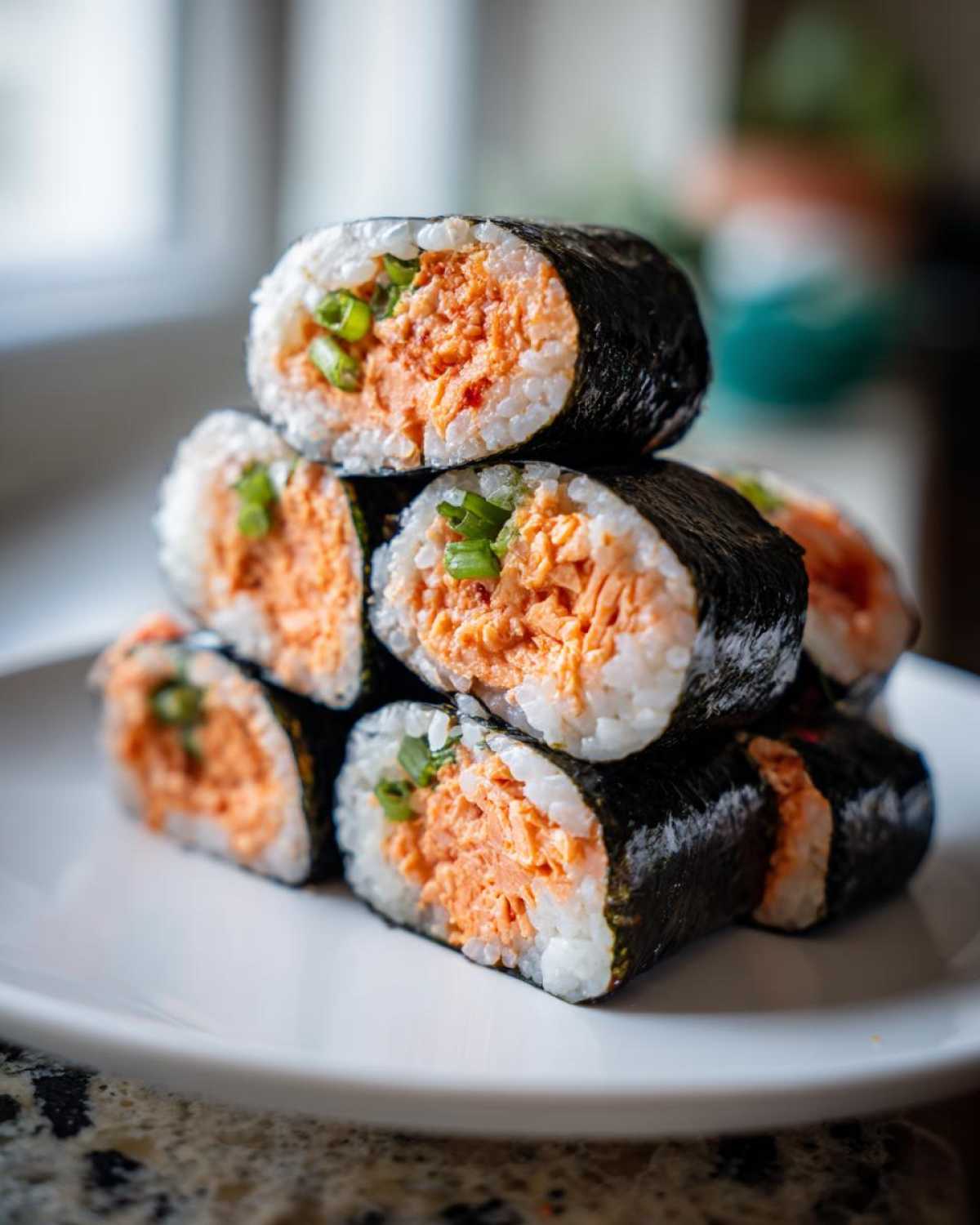
After all that careful assembly, the last thing you want is to ruin the look by hacking at it with a dull knife! Mastering the roll is one thing, but mastering the slice is what elevates your Homemade Korean Seaweed Rolls from looking homemade to looking *homemade-but-amazing*. I learned these little tricks I the hard way—usually resulting in mushy rice crumbs everywhere—but don’t worry, I’ve got you covered so your slicing is perfect!
Slicing Technique for Clean Homemade Korean Seaweed Rolls
This next tip is honestly a lifesaver, especially when you’re dealing with spicy filling; the mayo and moisture can make the roll collapse if you aren’t careful. First, once your kimbap roll is brushed with that final layer of sesame oil, don’t slice it right away! Instead, wrap the entire log tightly in plastic wrap, like a giant piece of sushi sausage. Let it sit on the counter for about five minutes. This compresses everything just a hair more.
When you unwrap it, grab your absolute sharpest knife—seriously, use the heavy hitter! Then, wipe that blade with a slightly damp paper towel before every single cut. The moisture stops the rice from sticking and dragging. It lets the knife glide right through the seaweed and the filling. Quick, decisive cuts are way better than sawing away slowly. It makes cutting a dream, whether you’re making thick appetizer slices or thinner snacks!
Adjusting Spice Level in Your Spicy Tuna Kimbap
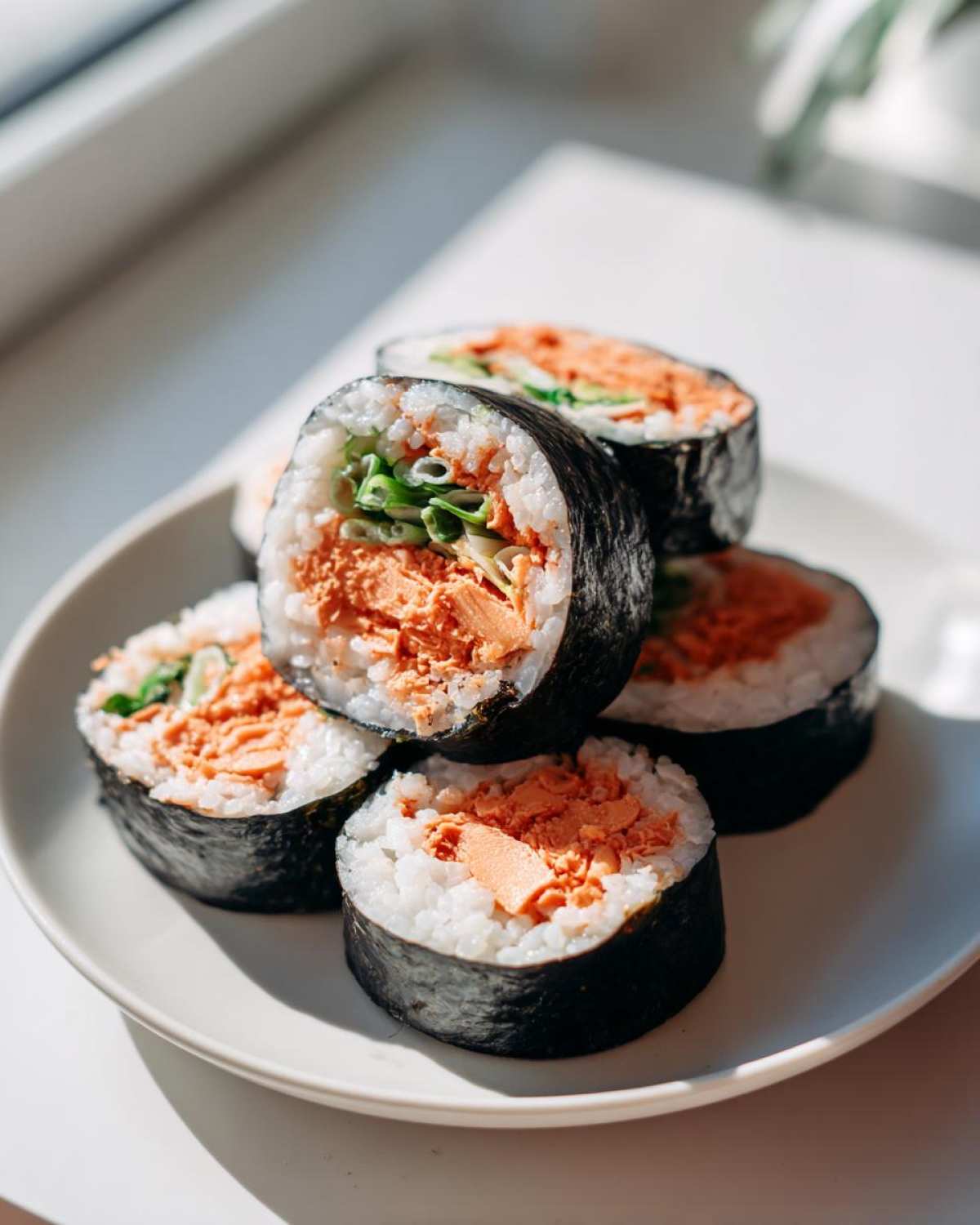
Because this is *my* recipe, you have full control over the heat, which is why I love this Spicy Tuna Kimbap so much! If you are serving kids or just prefer a tiny bit of warmth, skip the Sriracha entirely and just use a teaspoon of regular mayonnaise. You’ll still get that classic savory Chamchi Kimbap flavor profile, but it will be mild.
Now, if you want to crank up the heat? Don’t just throw in more Sriracha! That makes it watery. Instead, try substituting just half the Sriracha with a dollop of gochujang (Korean chili paste). Gochujang gives a much deeper, complex heat that really sings against the tuna. If you are looking for other creamy, savory bites to balance the heat, you might enjoy my recipe for creamy street corn salad—it’s a total crowd-pleaser!
Variations: Moving Beyond Classic Tuna Kimbap
While the spicy tuna version is my current obsession—you know, that bold, fiery flavor that hits just right—kimbap is one of the most versatile foods on the planet! It’s designed for customization. Once you master the basic rice seasoning and rolling technique, the filling becomes your personal playground. Don’t feel locked into just tuna, either! You can easily swap in leftover bulgogi, or make a completely vegetarian version if that’s your jam.
If you want to keep the tuna base but want more texture in your Flavorful Seaweed Rolls, adding crisp vegetables is the easiest move. I often dice up some cucumber—the crunch is absolutely necessary sometimes, especially when eating this as a cold snack! Sliced avocado is another winner. It adds creaminess that blends beautifully with the spicy Spicy Tuna Filling. Just make sure whatever you add isn’t too wet, or you’ll run into the same soggy rice issues we talked about earlier!
I love taking the leftover spicy tuna mixture and tossing it with quick pickled carrots. You can find my super simple recipe for quick pickled carrots right here! They bring a lovely tanginess that cuts through the richness of the mayo perfectly. If you are planning on serving these up for a party spread, mixing up your veggie inclusions keeps everybody happy. For more incredible inspiration on appetizers perfect for these rolls, check out how others are serving up their snacks during game day over at this great post!
Storage and Make Ahead Finger Foods Tips for Tuna Kimbap
One of the best things about Tuna Kimbap is that it’s just as delicious hours later, making it a total lifesaver for meal prep. These rolls are fantastic as Convenient Picnic Food because they travel so well, provided you handle them correctly straight out of the kitchen. I always try to slice them right before serving them for the best texture, but if you need to prep the night before, I have a trick for you!
Once the Flavorful Seaweed Rolls are sliced and brushed beautifully with sesame oil, you need to manage freshness. My number one rule is to keep them refrigerated, but wrapping them well is key! Wrap those sliced rolls tightly—and I mean *tightly*—in plastic wrap or put them in an airtight container. The plastic wrap acts like a little shield against the fridge air, which is what dries out the rice and seaweed.
They hold up incredibly well for about 24 hours. If you’re preparing them for a party even further ahead of time, I suggest prepping everything—the rice, the spicy tuna filling—and keeping them separate in airtight containers. Then, assemble and roll everything fresh right before your guests arrive. This keeps that seaweed crisp and the rice perfectly textured. It’s almost as easy as assembling a classic salad, like my chicken Caesar pasta salad, but tastes way more exciting!
Serving Suggestions for Your Flavorful Seaweed Rolls
So, you’ve rolled up the most beautiful, flavorful **tuna kimbap** the world has ever seen! Now what? While these rolls are fantastic all on their own—they are truly a complete, savory snack—a few simple pairings can turn this from a quick bite into a satisfying little meal, especially if you’re serving them up for a casual gathering. I always think about texture and dipping options when planning what goes next to my kimbap.
First, let’s talk about the inevitable question: dipping sauce! Because we are already working with that creamy, spicy element inside, you don’t need anything heavy, but a little extra zing on the side never hurt anyone. I happen to adore a side of simple soy sauce mixed with a tiny dash of rice vinegar. It keeps things light and lets the tuna filling shine. However, if you really want something creamy and punchy, you can whip up my incredible 5-ingredient garlic sauce. It sounds totally custom, but honestly, the garlicky richness plays so nicely with the savory seaweed!
Beyond dipping, think about textural contrast. These rolls are soft and yielding. To balance that, I often serve them alongside something crisp and acidic. Thinly sliced, slightly sweet pickled radish (danmuji) is the classic Korean sidekick for a reason—it cleanses the palate between bites! If you don’t have that handy, simple crunchy kimchi or a quick side of pickled cucumbers works wonders too. Trust me, that little bit of sour crunch makes the next bite of spicy tuna kimbap taste even better!
Frequently Asked Questions About Tuna Kimbap
I always get a ton of questions when people try this recipe for the first time, usually centered around swapping ingredients or making sure they get that beautiful roll shape! It’s totally normal to have questions when diving into a new style of roll, but trust me, once you master this basics, you’ll be whipping up this Easy Kimbap for every snack time.
Can I use regular mayonnaise instead of Japanese mayonnaise in this tuna kimbap recipe?
Oh, absolutely you can! If you can’t find Kewpie or Japanese mayo, standard mayonnaise totally works in a pinch for this Chamchi Kimbap filling. The main difference you might notice is that Japanese mayo is slightly sweeter and tangier because of the specific vinegars and egg yolks they use. Regular mayo makes the filling taste a little more straightforward, less punchy, but still delicious and creamy. It’s just a small flavor adjustment, nothing that will ruin your roll!
How long do homemade tuna kimbap rolls stay fresh?
For the absolute best texture, you want to eat these the day they are made. But because the rice is so well seasoned and the tuna filling has fat from the mayo to help keep things moist, they hold up surprisingly well. I find they are fantastic for up to 24 hours if you seal them tightly in an airtight container and keep them in the fridge. After that, the seaweed starts to get a little chewy, which isn’t ideal. They are definitely suitable for packing in a picnic salad-style environment!
Is this Spicy Tuna Kimbap recipe suitable for a healthy Korean snack?
That’s a great question, and the answer is: mostly yes! We are packing this with protein from the tuna, and since there’s no cooking involved with the filling—keeping it relatively light—it certainly qualifies as a healthy Korean snack compared to fried foods. However, because we are using mayonnaise in the filling to get that signature creamy texture, I always advise enjoying this in moderation. If you really want to lean into the health aspect, tone down the mayo to just one tablespoon and add in extra crunchy fresh vegetables like carrots or radishes to bulk it up!
Estimated Nutritional Information for This Tuna Kimbap Recipe
As a home cook who loves to keep things realistic, I always want you to know what you’re digging into! Transparency is everything in the kitchen, just like I learned spending time with my family who valued good, honest food. Here is the estimated nutritional breakdown following the recipe for two rolls of our delicious Tuna Kimbap. Remember, these numbers are just a guide, especially since amounts can vary based on the exact brand of tuna or how much rice you manage to pack in!
I always suggest keeping your eye on high-CPC phrases when thinking about meal prep. If you ever feel overwhelmed by the daily grind, remember that services like the best meal delivery services can step in to handle the heavy lifting sometimes. But for a quick fix like this, we’re good to go!
- Serving Size: 1 slice
- Calories: 150
- Fat: 8g
- Saturated Fat: 1.5g
- Carbohydrates: 15g
- Protein: 5g
- Sugar: 1g
- Sodium: 250mg
See? That’s not bad at all for a flavorful, savory snack! It’s packed with protein and relatively low in sugar, making it a great choice for a satisfying mid-day bite. If you’re sharing this recipe, feel free to pin your results over on Pinterest, I love seeing what you all create on my community board Recipes Vault!
PrintEasy 15-Minute Spicy Tuna Kimbap (Chamchi Kimbap)
Make homemade Spicy Tuna Kimbap that beats store-bought versions. This quick recipe delivers bold, flavorful Korean seaweed rolls perfect for lunchboxes, snacks, or appetizers.
- Prep Time: 15 min
- Cook Time: 0 min
- Total Time: 15 min
- Yield: 2 rolls (about 12 pieces) 1x
- Category: Snack
- Method: Rolling
- Cuisine: Korean
- Diet: Vegetarian
Ingredients
- 2 cups cooked short grain rice
- 1 teaspoon sesame oil (for rice)
- 1 teaspoon sesame seeds (for rice)
- 1 teaspoon salt (for rice)
- 1 (5.3 oz) can tuna in oil, drained
- 2 tablespoons Japanese mayonnaise (Kewpie preferred)
- 1 tablespoon Sriracha sauce (adjust for spice level)
- 2 tablespoons finely chopped green onion
- 2 sheets nori (roasted seaweed)
- 4 perilla leaves, stems removed
- ½ teaspoon sesame oil (for brushing rolls)
- ½ teaspoon sesame seeds (for sprinkling)
Instructions
- Prepare the seasoned rice: In a bowl, combine the cooked short grain rice with 1 teaspoon sesame oil, 1 teaspoon sesame seeds, and 1 teaspoon salt. Mix gently until combined.
- Make the spicy tuna filling: In a separate bowl, combine the drained canned tuna, mayonnaise, Sriracha sauce, and chopped green onion. Mix well until the tuna is flaky and fully incorporated into the spicy mayo mixture.
- Prepare the rolling station: Lay one sheet of nori, shiny side down, on a bamboo rolling mat. Place one perilla leaf on top of the nori, covering most of the surface.
- Layer the rice: Spread about one-third of the seasoned rice evenly over the nori and perilla leaf, leaving a 1-inch border clear at the top edge of the nori.
- Add the filling: Place half of the spicy tuna mixture in a line across the center of the rice.
- Roll the kimbap: Starting from the edge closest to you, tightly roll the mat forward, pressing gently to keep the ingredients compact. Moisten the top clear edge of the nori with a little water to seal the roll.
- Repeat the process for the second roll.
- Finish the rolls: Brush the outside of each finished roll lightly with the remaining ½ teaspoon of sesame oil and sprinkle with sesame seeds.
- Slice and serve: Using a sharp, slightly damp knife, slice each roll into bite-sized pieces. Serve immediately or pack for later.
Notes
- For easy slicing, wrap the finished rolls tightly in plastic wrap for 5 minutes before cutting.
- If you are planning ahead, these rolls are great for meal planning and hold up well for lunchboxes.
- If you are looking for alternatives to making this from scratch, check out the best meal delivery services for convenient options.
- For a less spicy version, reduce the Sriracha or omit it entirely for classic Tuna Kimbap (Chamchi Kimbap).
Nutrition
- Serving Size: 1 slice
- Calories: 150
- Sugar: 1
- Sodium: 250
- Fat: 8
- Saturated Fat: 1.5
- Unsaturated Fat: 6.5
- Trans Fat: 0
- Carbohydrates: 15
- Fiber: 0.5
- Protein: 5
- Cholesterol: 20