
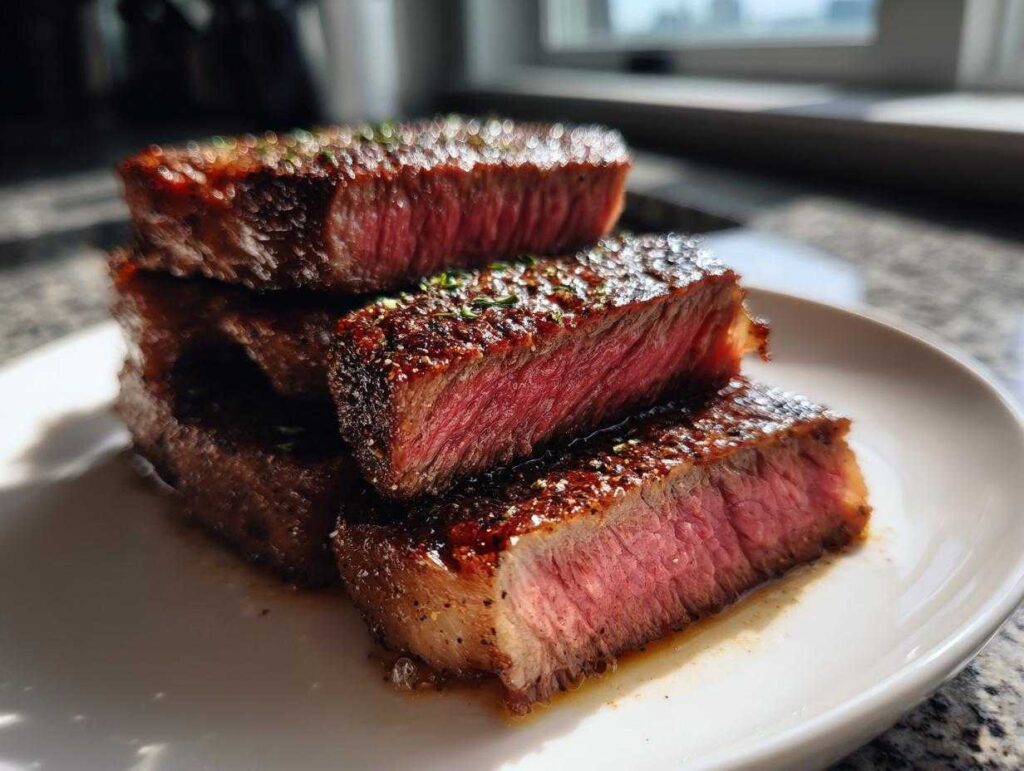
I used to think that truly perfect, melt-in-your-mouth steak—the kind that barely requires chewing—was only achievable at those fancy steakhouses with giant, specialized broilers. Oh, how wrong I was! Trust me, there were plenty of tough cardboard disks in my early kitchen days before I figured out the secret. That silky, velvety smooth texture isn’t luck; it’s about a few key steps that coax out all that beautiful fat and juice.
This pan-seared method I’m sharing today is my go-to winner. It guarantees you’ll get that sought-after restaurant quality steak at home every single time. When I first nailed the butter-basting part, my husband actually gasped. Seriously, it’s that good! Forget dry, tough beef; we are aiming for pure, buttery bliss.
- Why This Pan-Seared Recipe Delivers a Melt-in-Your-Mouth Steak (E-E-A-T Focus)
- Gathering Ingredients for Your Melt-in-Your-Mouth Steak
- Essential Preparation Steps for Ultra Tender Beef Texture
- Cooking Instructions: Achieving Melt-in-Mouth Steak Perfection
- Crucial Resting and Slicing for Maximum Tenderness
- Alternative Methods for Melt-in-Your-Mouth Steak
- Serving Suggestions for Your Perfect Steak
- Storage and Reheating melt-in-your-mouth steak Leftovers
- Frequently Asked Questions About Tender Steak
- Serving Suggestions for Your Perfect Steak
- Storage and Reheating melt-in-your-mouth steak Leftovers
- Frequently Asked Questions About Tender Steak
- Estimating Nutritional Data for Your Steak
- Estimating Nutritional Data for Your Steak
Why This Pan-Seared Recipe Delivers a Melt-in-Your-Mouth Steak (E-E-A-T Focus)
The reason this technique works so brilliantly is the marriage between extreme heat and gentle basting. We slam that skillet to get that incredible, deep brown crust—that’s where the flavor happens! But the magic that ensures every bite is tender comes right after: we bring the temperature down and bathe the steak in foaming butter, garlic, and herbs.
This method ensures the inside cooks evenly without drying out, which is crucial for achieving that perfect internal temperature. Also, I stress the thickness—you simply can’t get this texture with thin steaks! If you want more detail on preparing a killer Ribeye, check out my dedicated perfect ribeye steak recipe.
The Best Steak Cuts for Melt-in-Your-Mouth Steak
When we talk about making something truly soft, the cut of meat is half the battle. For that incredible softness, you want cuts with great intramuscular fat, which we call marbling. Ribeyes, like the ones in this recipe, are my absolute favorite because that fat melts down during cooking, essentially self-basting the meat from the inside out!
The Tenderloin, or filet mignon, is another top contender for the **best steak cuts for softness**. Filets are naturally less marbled but are inherently tender because the muscle doesn’t do much work. Either way, the fat content is what turns beef into something that truly feels like it dissolves in your mouth.
Gathering Ingredients for Your Melt-in-Your-Mouth Steak
Okay, now we get to the fun part—the shopping list! Since we are going for that divine texture, quality matters here more than ever. I’ve specified 1.5-inch thick Ribeyes because thickness helps us manage the sear versus the internal temperature perfectly. Don’t skimp on the salt; we’re using coarse kosher salt, not that fine stuff that just sits on top!
Ingredient Notes and Substitutions
We absolutely must use a high smoke point oil, like avocado or grapeseed oil, just for that initial sear. If you try to use olive oil here, it’ll burn before the steak even starts developing a crust, and that’s a tragedy!
The butter, rosemary, and smashed garlic are for the basting bath, and that’s non-negotiable for flavor. If, for some reason, you don’t have rosemary on hand, a sprig of fresh thyme works beautifully in its place. Remember those crucial notes at the bottom of the recipe? For thinner steaks, you might need to swap butter for a quick marinade to tenderize them up before searing!
Essential Preparation Steps for Ultra Tender Beef Texture
Before we even get close to a hot pan, we need to set the stage for an **ultra tender beef recipe**. I cannot stress this enough: take your steaks out of the fridge an hour before you plan to cook them! Cold steak hitting a hot pan guarantees your outside burns while the middle stays raw and tough. We need them mostly room temperature.
Once they are cozy, you need to grab paper towels and pat them down until they are outrageously dry. If there is any moisture lingering on the surface, it steams instead of searing. That means zero crust and a grey, sad exterior. No thanks!
The Secret to Tender Steak: Dry Brining
This is truly the **secret to tender steak**, and it’s so easy. You’re not wet-brining; you’re dry brining! That means generously coating both sides with coarse salt *before* you’re ready to cook. I know the instructions just say season right before, but if you have time, season them at least 45 minutes ahead, or even the night before, and leave them uncovered in the fridge.
The salt draws moisture out, dissolves, and then gets reabsorbed, seasoning the meat all the way through and helping those muscle fibers relax. If you only have a few minutes, seasoning them right before they hit the pan is still better than nothing, but for next-level tenderness, give that salt some time to work its magic. For more on prepping meat, I’ve shared some great tips on easy steak marinade recipe for juicy perfection, though this dry brine works best for thick cuts like these!
Cooking Instructions: Achieving Melt-in-Mouth Steak Perfection
Time to grab that cast iron skillet! This is where we turn good beef into **restaurant quality steak at home**. We start hotter than you might think. Get your oil shimmering—I mean almost smoking—over high heat. That initial shock is what locks in the juices and builds the gorgeous, deep-brown crust we all crave. Sear those steaks for just two or three minutes per side until you see that crust forming. Don’t crowd the pan, or they’ll steam, making them tough! Also, I have a killer homemade teriyaki sauce recipe, but for this pure steak flavor, we stick to salt and pepper for now!
Once you have that beautiful sear, immediately drop the heat down to medium-low. Now comes the aromatics! Toss in two tablespoons of cold, unsalted butter, those rosemary sprigs, and the smashed garlic cloves. Watch that butter foam up. This whole process should take maybe three to four minutes total, depending on how pink you like the middle.
Basting Technique for Melt-in-Your-Mouth Steak Flavor
This step is pure joy! Carefully tilt that hot pan just slightly so all that glorious, herby, garlicky butter pools on one side. Grab a big spoon and just start spooning that foaming butter continuously over the top surface of the steak. Keep going, coating it over and over. This basting is what bathes the exterior in fat, keeping everything moist and adding incredible fragrance, which is a huge contributor to that famous **melt-in-your-mouth steak** flavor profile. It fills in any gaps where moisture might try to escape!
Temperature Checks: How to Cook Soft Steak Perfectly
This is the single most important thing for avoiding toughness: use that meat thermometer! You want that internal temperature to be exact if you want to know **how to cook soft steak**. For medium-rare—which I always say is the sweet spot for tenderness—you’re pulling that steak off the heat when the thermometer reads 130°F to 135°F. Remember, it keeps cooking after it leaves the pan, which is crucial!
Crucial Resting and Slicing for Maximum Tenderness
You are so close! You’ve seared perfectly, you’ve basted like a champion, but if you skip the next two steps, you’ll lose all that beautiful juiciness you worked so hard for. The immediate next move is to get those steaks off the heat and onto a cutting board—no crowding them in the pan!
They need to rest, uncovered, for a full ten minutes. Trust me, this is not optional. When meat cooks, the juices rush to the center. If you cut it right away, all that incredible moisture will run out onto your counter, leaving you with a dry steak. Resting lets those juices redistribute throughout the muscle fibers. It’s like letting the steak calm down after a stressful sear!
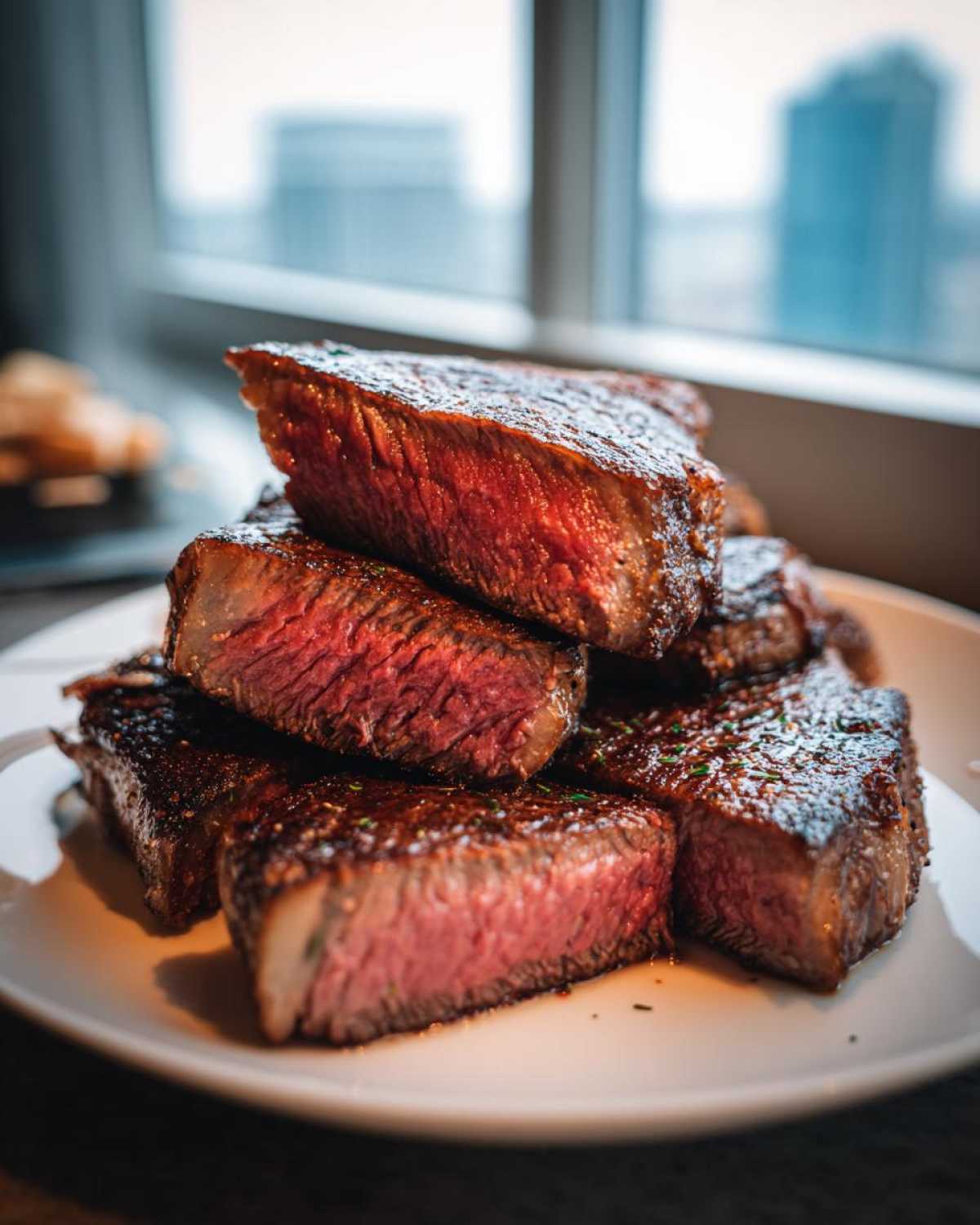
Once rested, we move to the final act: **Slicing steak for maximum tenderness**. You must look closely at your steak to identify the direction the muscle fibers are running—that’s the grain. Always plunge your sharp knife in perpendicular to those lines. Slicing against the grain shortens those tough fibers, making every single bite incredibly soft and easy to chew. This final technique really seals the deal on getting that velvety texture!
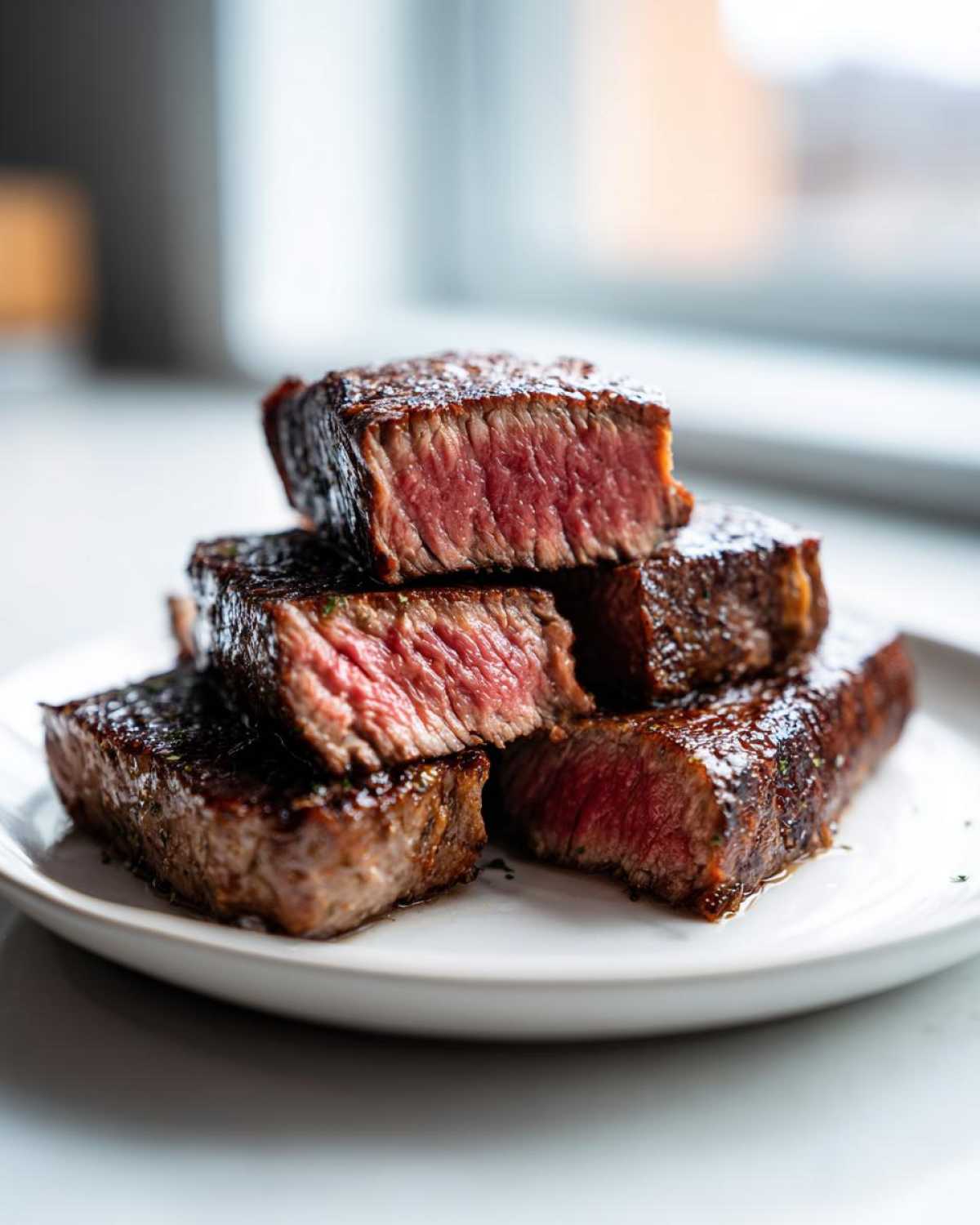
To make your meal feel even more special, I love pairing this unbelievably tender beef with something creamy, like a rich horseradish sauce for prime rib, even though this is a pan-seared steak!
Alternative Methods for Melt-in-Your-Mouth Steak
While I absolutely swear by the pan-sear and baste for quick, amazing results, I know sometimes you’re dealing with a monster of a steak or maybe you just want to try something new! It’s essential in the kitchen to have a few tricks up your sleeve when aiming for that perfect texture across different situations. If you’re working with a super thick cut, like anything over two inches, you might want to look into the **reverse sear steak perfection** method.
That technique has you cook it super low and slow in the oven first, bringing it to temperature gently before finishing with a fast, hard sear. It’s a slightly different path to the same destination: an incredibly tender center! If you’re interested in more slow-cooking tenderness methods, check out my guide on braised short ribs recipe; that slow breakdown of collagen is another path to softnesss!
Marinating Steak for Tenderness: A Quick Tip
Now, if you happen to be cooking thinner steaks—maybe something that cooks too fast for the reverse sear to make sense—here’s that little hack I mentioned in the notes! Sometimes you need an **easy method for tenderizing steak** quickly, and this is it. You can use a marinade that contains natural enzymes to help break down those tough muscle fibers.
The trick here is using something like pineapple juice—just a little bit, mind you—mixed into your usual seasoning blend. But be warned: you only want to let it sit for about two hours max! If you leave it too long, those enzymes work *too* well and you end up with a mushy texture instead of that perfect soft bite we’re after!
Serving Suggestions for Your Perfect Steak
You’ve done the hard part, and now you have the most incredible, tender steak ready to enjoy! What do you serve with such perfection? Keep the sides classic so they don’t compete with the star of the plate. I always lean towards something creamy or garlicky that won’t overpower that beautiful, buttery flavor we just built up.
Mashed potatoes are a non-negotiable staple for soaking up those delicious pan juices. Or, if you’re feeling fancy but still want easy weeknight appeal, try my French onion butter rice recipe. Roasted asparagus or green beans with a squeeze of lemon are also fantastic partners for serving alongside your melt-in-your-mouth steak.
Storage and Reheating melt-in-your-mouth steak Leftovers
Oh, leftovers! Sometimes the second day is even better, especially if you’ve managed to save some of those pan drippings. You want to store your leftover steak completely cooled in an airtight container. It should last about three to four days in the fridge, tops. Don’t stack the slices if you can help it; try to spread them out a bit.
When it comes to reheating to keep that tender texture, high heat is the enemy all over again! Skip the microwave if you can. The best way is to bring the pan back to medium-low heat, add a tiny splash of water or beef broth, and just gently warm the slices through for maybe 30 seconds per side. This steams them just enough to wake up that tenderness without drying them out!
Frequently Asked Questions About Tender Steak
I get asked so many questions about how to guarantee perfect results, especially when aiming for that perfect texture. It’s all about knowing the little rules that make a huge difference! Here are some of the things I hear most often about cooking the softest beef.
Can I use a different cut of beef to make this melt-in-your-mouth steak?
You absolutely can, but you need to be smart about the cut you choose! Remember how I talked about marbling? If you pick a very lean cut like a Sirloin, it’s harder to get that ‘melt-in-your-mouth’ sensation because there isn’t much internal fat to break down into luscious liquid gold. For the best results following this recipe, stick to Ribeye or Strip Steak. If you have to use a leaner cut, you might want to explore methods involving braising or using a powerful marinade to make it tender.
What is the secret to tender steak besides resting?
Oh, this is a great one! Resting is huge, but the real **secret to tender steak** happens before the heat even gets involved, and right after the sauce dries up! I always say the two biggest keys, besides resting, are: one, dry brining well ahead of time to help the muscle fibers relax, and two: slicing against the grain. If you slice right along the grain, you end up with long, chewy strips even if the cook was perfect. Cutting across those lines shortens those tough fibers instantly, yielding wonderfully soft pieces!
Is reverse sear better than pan-searing for juicy steak tips?
It depends entirely on thickness! For standard steaks—say, under 1.5 inches, like the ones in the recipe—the quick pan-sear method is faster and gives you a better crust-to-interior ratio. But if you’re dealing with a massive, beautiful T-bone or a three-inch Ribeye, the reverse sear is superior for **juicy steak tips**. That slow cooking time in a low oven means the steak comes up to temperature so evenly that when you finally hit it with high heat, you get a perfect edge-to-edge medium-rare without that dreaded grey band just under the crust.
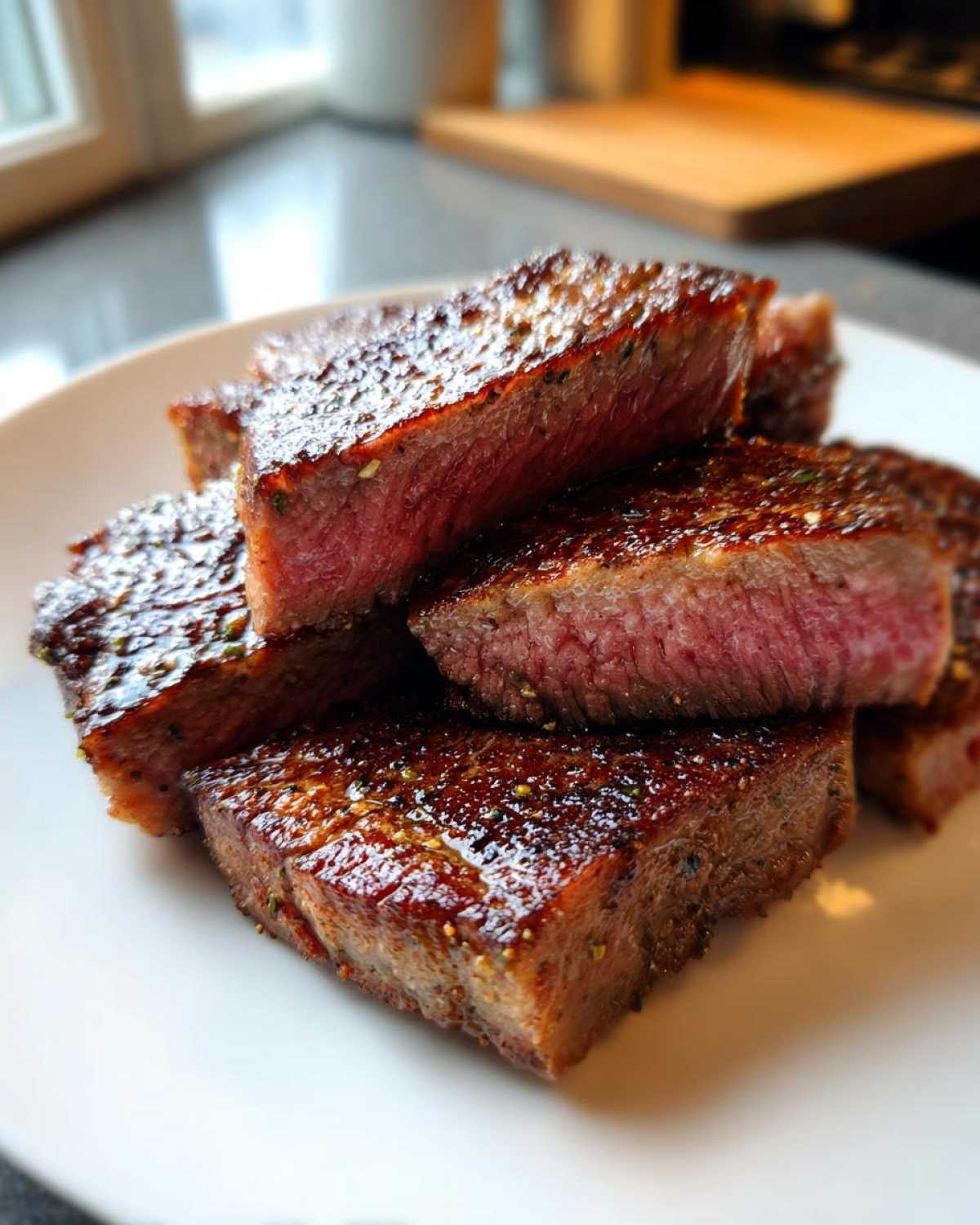
If you want even more tips and tricks for the kitchen, you should definitely follow along with me on Pinterest!
By the way, if you’re looking for an amazing cast-iron side dish, you have to try my skillet cornbread recipe.
Serving Suggestions for Your Perfect Steak
You’ve done the hard part, and now you have the most incredible, tender steak ready to enjoy! What do you serve with such perfection? Keep the sides classic so they don’t compete with the star of the plate. I always lean towards something creamy or garlicky that won’t overpower that beautiful, buttery flavor we just built up.
Mashed potatoes are a non-negotiable staple for soaking up those delicious pan juices. Or, if you’re feeling fancy but still want easy weeknight appeal, try my French onion butter rice recipe. Roasted asparagus or green beans with a squeeze of lemon are also fantastic partners for serving alongside your melt-in-your-mouth steak.
Storage and Reheating melt-in-your-mouth steak Leftovers
Oh, leftovers! Sometimes the second day is even better, especially if you’ve managed to save some of those pan drippings. You want to store your leftover steak completely cooled in an airtight container. It should last about three to four days in the fridge, tops. Don’t stack the slices if you can help it; try to spread them out a bit.
When it comes to reheating to keep that tender texture, high heat is the enemy all over again! Skip the microwave if you can. The best way is to bring the pan back to medium-low heat, add a tiny splash of water or beef broth, and just gently warm the slices through for maybe 30 seconds per side. This steams them just enough to wake up that tenderness without drying them out!
Frequently Asked Questions About Tender Steak
I get asked so many questions about how to guarantee perfect results, especially when aiming for that perfect texture. It’s all about knowing the little rules that make a huge difference! Here are some of the things I hear most often about cooking the softest beef. Also, remember to check out my Pinterest board for more juicy steak tips!
Can I use a different cut of beef to make this melt-in-your-mouth steak?
You absolutely can, but you need to be smart about the cut you choose! Remember how I talked about marbling? If you pick a very lean cut like a Sirloin, it’s harder to get that ‘melt-in-your-mouth’ sensation because there isn’t much internal fat to break down into luscious liquid gold. For the best results following this recipe, stick to Ribeye or Strip Steak. If you have to use a leaner cut, you might want to explore methods involving braising or using a powerful marinade to make it tender.
What is the secret to tender steak besides resting?
Oh, this is a great one! Resting is huge, but the real **secret to tender steak** happens before the heat even gets involved, and right after the sauce dries up! I always say the two biggest keys, besides resting, are: one, dry brining well ahead of time to help the muscle fibers relax, and two: slicing against the grain. If you slice right along the grain, you end up with long, chewy strips even if the cook was perfect. Cutting across those lines shortens those tough fibers instantly, yielding wonderfully soft pieces!
Is reverse sear better than pan-searing for juicy steak tips?
It depends entirely on thickness! For standard steaks—say, under 1.5 inches, like the ones in the recipe—the quick pan-sear method is faster and gives you a better crust-to-interior ratio. But if you’re dealing with a massive, beautiful T-bone or a three-inch Ribeye, the reverse sear is superior for **juicy steak tips**. That slow cooking time in a low oven means the steak comes up to temperature so evenly that when you finally hit it with high heat, you get a perfect edge-to-edge medium-rare without that dreaded grey band just under the crust.
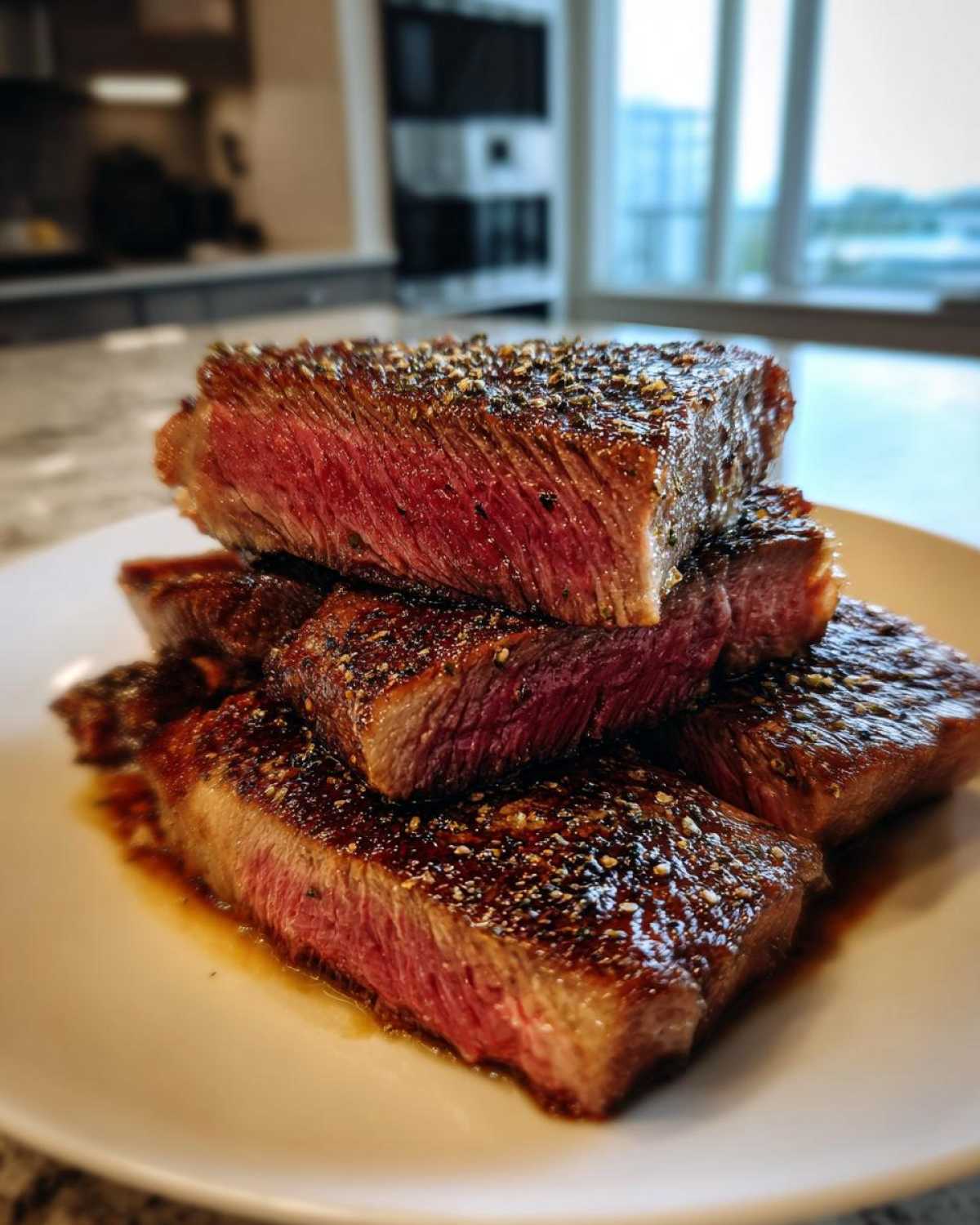
Estimating Nutritional Data for Your Steak
It’s always smart to know what’s in your food, even when you’re splurging on a great steak night! Since this recipe really focuses on high-quality protein and healthy fats, the numbers look pretty solid for a decadent meal. Just remember these are estimates for one serving of the rich, **melt-in-your-mouth steak** we made!
- Serving Size: 1 steak
- Calories: 650
- Protein: 50g
- Fat: 48g (with 20g saturated fat)
- Carbohydrates: 0g
- Sugar: 0g
Estimating Nutritional Data for Your Steak
It’s always smart to know what’s in your food, even when you’re splurging on a great steak night! Since this recipe really focuses on high-quality protein and healthy fats, the numbers look pretty solid for a decadent meal. Just remember these are estimates for one serving of the rich, **melt-in-your-mouth steak** we made!
- Serving Size: 1 steak
- Calories: 650
- Protein: 50g
- Fat: 48g (with 20g saturated fat)
- Carbohydrates: 0g
- Sugar: 0g
Melt-in-Your-Mouth Steak: The Secret to Restaurant Quality Steak at Home
Learn the simple steps and techniques to cook ultra tender beef that achieves that coveted melt-in-your-mouth texture every time you make steak.
- Prep Time: 15 min
- Cook Time: 15 min
- Total Time: 40 min
- Yield: 2 servings 1x
- Category: Main Course
- Method: Pan Searing
- Cuisine: American
- Diet: Low Fat
Ingredients
- 2 (1.5 inch thick) Ribeye steaks
- 1 tablespoon coarse kosher salt
- 1 teaspoon black pepper
- 2 tablespoons unsalted butter
- 2 sprigs fresh rosemary
- 3 cloves garlic, smashed
- 1 tablespoon high smoke point oil (like avocado or grapeseed)
Instructions
- Remove steaks from the refrigerator 1 hour before cooking. Pat them completely dry with paper towels. This step is key for a good crust.
- Season both sides of the steaks generously with kosher salt and black pepper. This is dry brining for tenderness.
- Place a heavy-bottomed skillet (cast iron works best) over high heat. Add the oil and let it get shimmering hot.
- Carefully place the steaks in the hot skillet. Sear for 2-3 minutes per side until a deep brown crust forms.
- Reduce the heat to medium-low. Add the butter, rosemary, and smashed garlic to the pan.
- Tilt the pan slightly and use a spoon to continuously baste the melted, foaming butter over the top of the steaks for 2-4 minutes, depending on your desired doneness.
- Use a meat thermometer to check the internal temperature: 125°F for rare, 130-135°F for medium-rare.
- Remove the steaks immediately from the pan and place them on a cutting board. Let them rest uncovered for 10 minutes. This resting period keeps your steak juicy.
- Slice the steak against the grain into half-inch thick pieces for maximum tenderness. Serve immediately.
Notes
- For the softest steak, use the reverse sear method for thicker cuts, cooking low in the oven first before the final sear.
- If you want to try an easy method for tenderizing steak, try marinating thinner cuts in a mixture containing pineapple juice for up to 2 hours.
- Follow Sophia on Pinterest for more juicy steak tips.
Nutrition
- Serving Size: 1 steak
- Calories: 650
- Sugar: 0
- Sodium: 1100
- Fat: 48
- Saturated Fat: 20
- Unsaturated Fat: 28
- Trans Fat: 1
- Carbohydrates: 0
- Fiber: 0
- Protein: 50
- Cholesterol: 180