
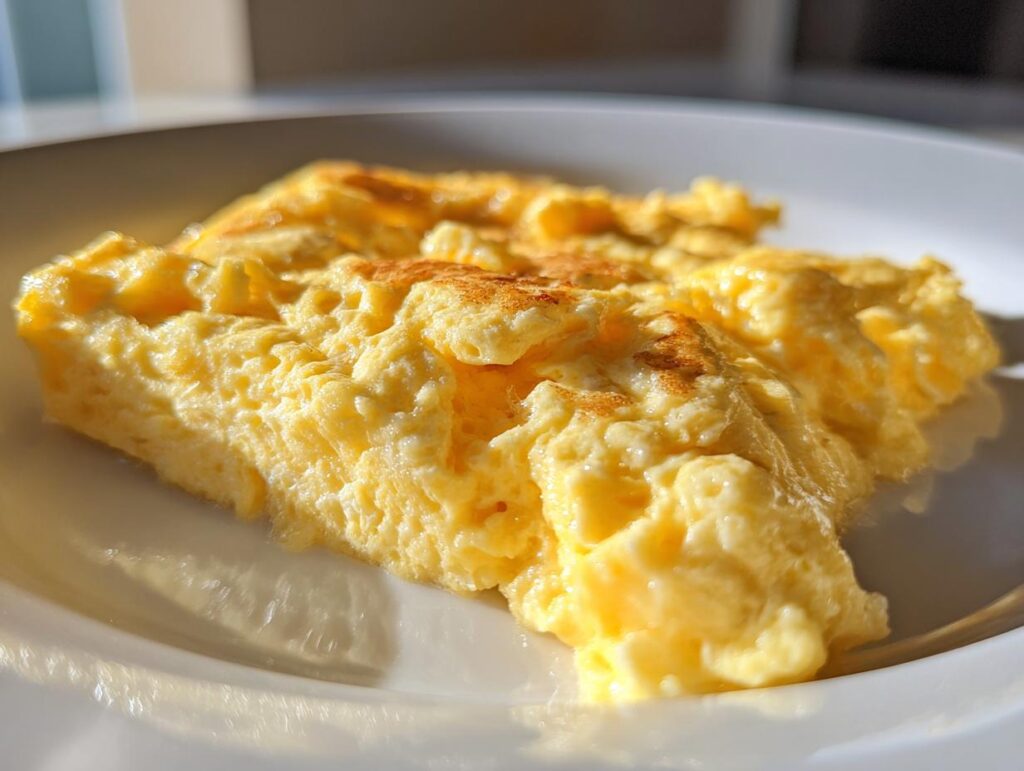
Are you tired of starting your day with rubbery, flat, or just plain dry eggs? Honestly, I used to be so frustrated every morning! We all deserve a breakfast that feels special, even on a Tuesday. That’s why I’m sharing my absolute foolproof method for making the best scrambled eggs you’ve ever tasted. Forget everything you think you know; we’re mastering the low-and-slow technique here. For me, mastering something as simple as eggs shows you truly understand your ingredients, and that’s what cooking—really *good* cooking—is all about. Get ready for eggs that are unbelievably creamy and fluffy!
- Why This Creamy Scrambled Eggs Recipe is Your New Favorite Quick Morning Meal
- Essential Ingredients for Perfect Scrambled Eggs
- How to Make Perfect Scrambled Eggs: The Low Heat Egg Cooking Method
- Tips for Success When Making Velvety Scrambled Eggs
- Variations: From Cheesy Egg Scramble to Brunch Ideas
- Storage & Reheating Instructions for Leftover Scrambled Eggs
- Frequently Asked Questions About Making Fluffy Scrambled Eggs Recipe
- Serving Suggestions for Your Creamy Scrambled Eggs
- Estimated Nutritional Information for Scrambled Eggs
Why This Creamy Scrambled Eggs Recipe is Your New Favorite Quick Morning Meal
I’m telling you, this method changes everything about your morning routine. If you’ve ever settled for second-best egg texture, those days are over! This recipe is the ultimate upgrade for a truly satisfying breakfast. I promise, once you try this, you’re going to bookmark it immediately. This really is a foolproof breakfast hack!
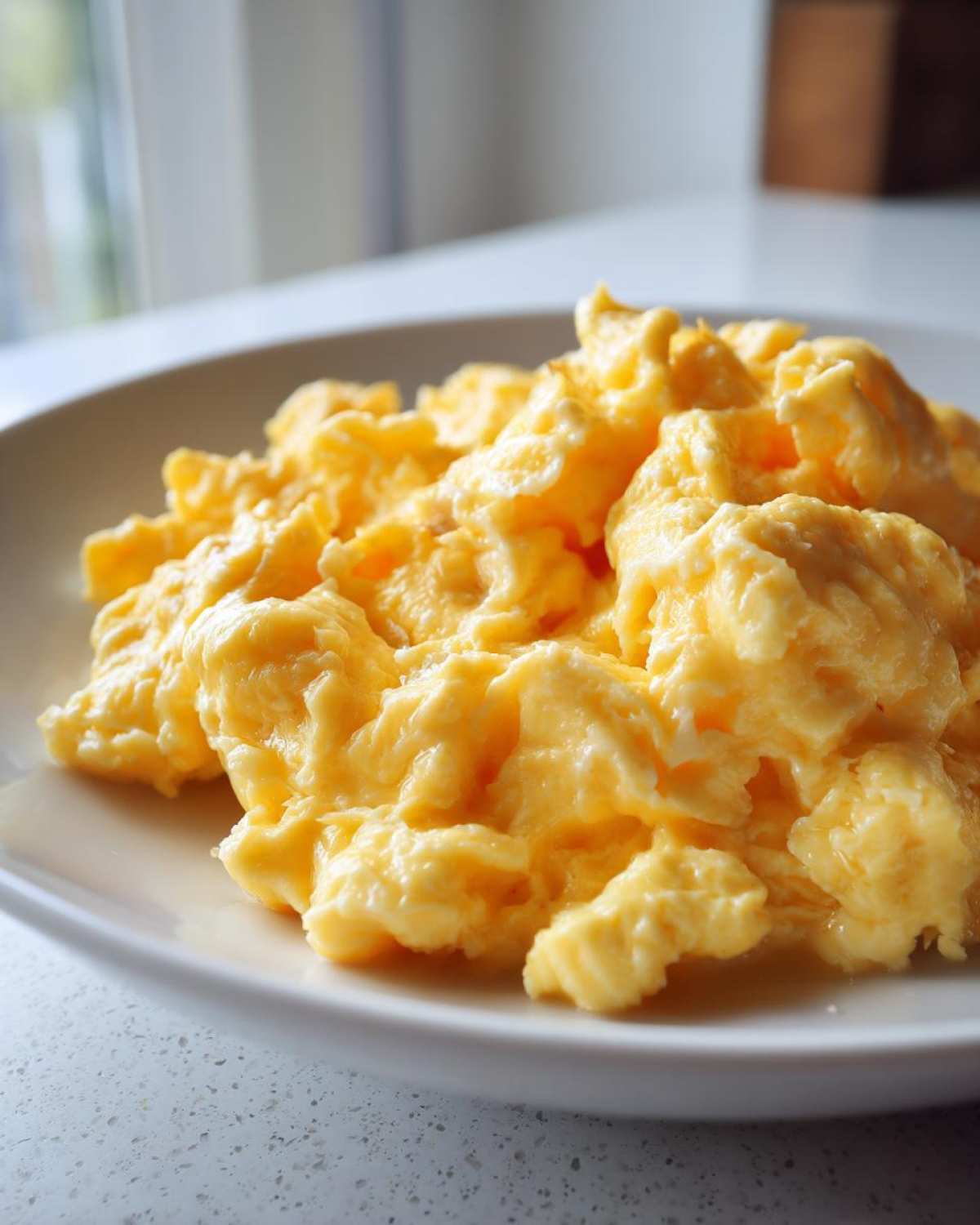
- This is the ultimate fluffy scrambled eggs recipe designed for maximum indulgence.
- It turns breakfast from a chore into something you actually look forward to eating!
- It’s perfect for when you need a seriously good quick morning meal. If you’re looking for other easy options, you should check out my recipe for easy breakfast casserole!
Achieving Velvety, Soft Custardy Eggs Every Time
The big secret here is patience—well, relative patience! Because we cook low and slow, the eggs never get a chance to seize up and go tough. That constant, gentle folding is what incorporates the fat and dairy just right, leading to those gorgeous, soft custardy eggs that melt in your mouth. No rubber allowed in my kitchen, ever!
Simple Egg Technique Ready in Under 10 Minutes
Even with the low heat required for the best texture, we are still lightning fast. Seriously, from the moment you crack the shell to the second they hit your plate, it’s under ten minutes. This easy breakfast recipe proves you don’t need hours to make a dish taste like it came straight from a fancy brunch spot. It’s perfect for busy weekdays!
Essential Ingredients for Perfect Scrambled Eggs
You only need a few simple things for this magic to happen, but those additions are non-negotiable if you want creamy scrambled eggs! Seriously, trust me on the liquid combination here—it’s what separates dry eggs from perfection. Make sure you grab good quality butter; it makes such a difference in the richness.
Here’s what you’ll need:
- 4 large eggs – make sure they aren’t straight from the fridge!
- 2 tablespoons of whole milk or heavy cream (this is for that velvety goodness).
- 1 teaspoon of water (this seems weird, but it creates tiny steam pockets for fluffiness!).
- 1 tablespoon of good unsalted butter.
- A tiny pinch of salt and pepper to taste.
How to Make Perfect Scrambled Eggs: The Low Heat Egg Cooking Method
Okay, this is where the transformation happens! If you’ve had trouble with rubbery eggs before, it’s almost always because the heat was too high. We are embracing the low heat egg cooking method here. It takes a few extra minutes, but the difference between tough, dry eggs and these incredible, melt-in-your-mouth versions is night and day. Remember, anything worth doing well in the kitchen takes a little time!
Prep Work: Whisking for Fluffy Scrambled Eggs Recipe
First things first: get your eggs ready in a bowl. We need to whisk them with the milk/cream *and* that little bit of water until they look smooth and unified, maybe even a little frothy. Don’t beat them into oblivion! Just enough to break up the whites. Now, here’s a little secret: I like to add my salt right now. Some people wait until the end because they worry salt toughens the eggs, but when you’re whisking this well and cooking gently, it helps dissolve beautifully into the mixture for even seasoning. Trust me on this simple egg technique!
The Stovetop Process for Creamy Scrambled Eggs
Set your skillet—and this must be your best non-stick pan—over medium-low heat. We want it warm, not screaming hot! Add your butter and let it melt until it just starts to foam. Pour in your egg mixture and let it sit, totally still, for about 30 seconds. You’ll just see the edges firm up. Then, take your rubber spatula and gently push the set edges towards the center. Tilt the pan so the raw egg flows underneath. Keep doing this gently folding and stirring. This constant, slow movement over low heat is exactly how you build those incredible layers that give you those restaurant style eggs. It feels slow, but that’s how we get our creamy scrambled eggs!
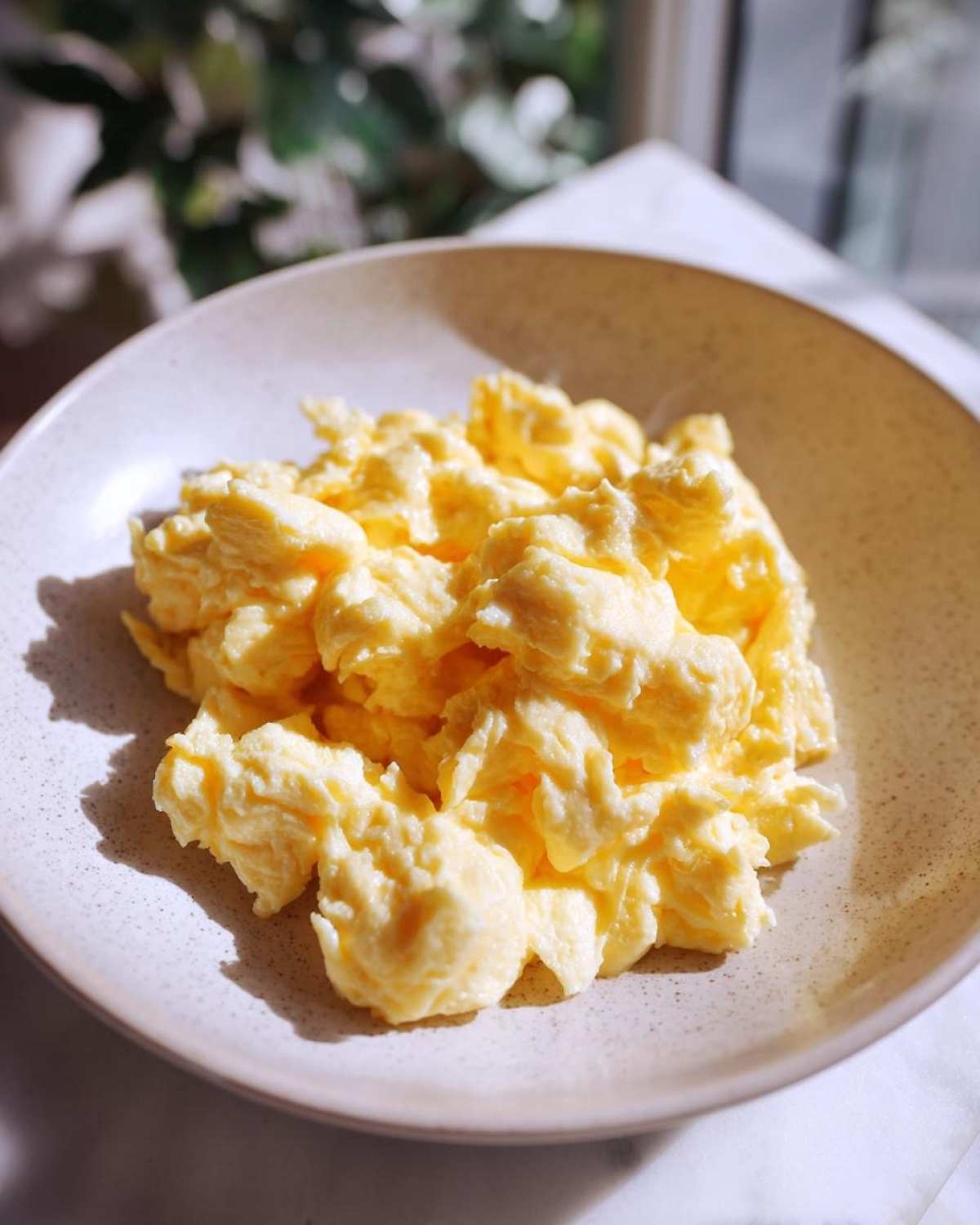
When the eggs are mostly done—meaning they still look glossy and slightly wet—yank that pan right off the burner! That residual heat is going to finish the job perfectly. If you wait until they look wholly done in the pan, they will be overdone on the plate. This is key to avoiding dry outcomes. I love to sprinkle on some pepper right before serving, maybe even grabbing my favorite cookbook, easy classic apple pie recipe, if I’m feeling ambitious after breakfast!
Tips for Success When Making Velvety Scrambled Eggs
I’ve learned a few things over the years trying to nail this simple dish perfectly, and they really make the difference between okay eggs and the legendary soft custardy eggs we’ve been talking about! Honestly, the pan you choose is half the battle. You absolutely must use a good non-stick skillet for this technique. If the eggs stick even a tiny bit, you lose that beautiful, gentle fold.
Another thing I constantly remind myself of is the exit strategy! You have to pull the pan off the heat *before* the eggs look totally done. I mean it! They should look glossy, wet, and slightly sloppy when you think they are “ready.” That carry-over cooking is your friend for achieving the velvety scrambled eggs texture, but it’s an enemy if you leave them on the burner too long. They will tighten up instantly!
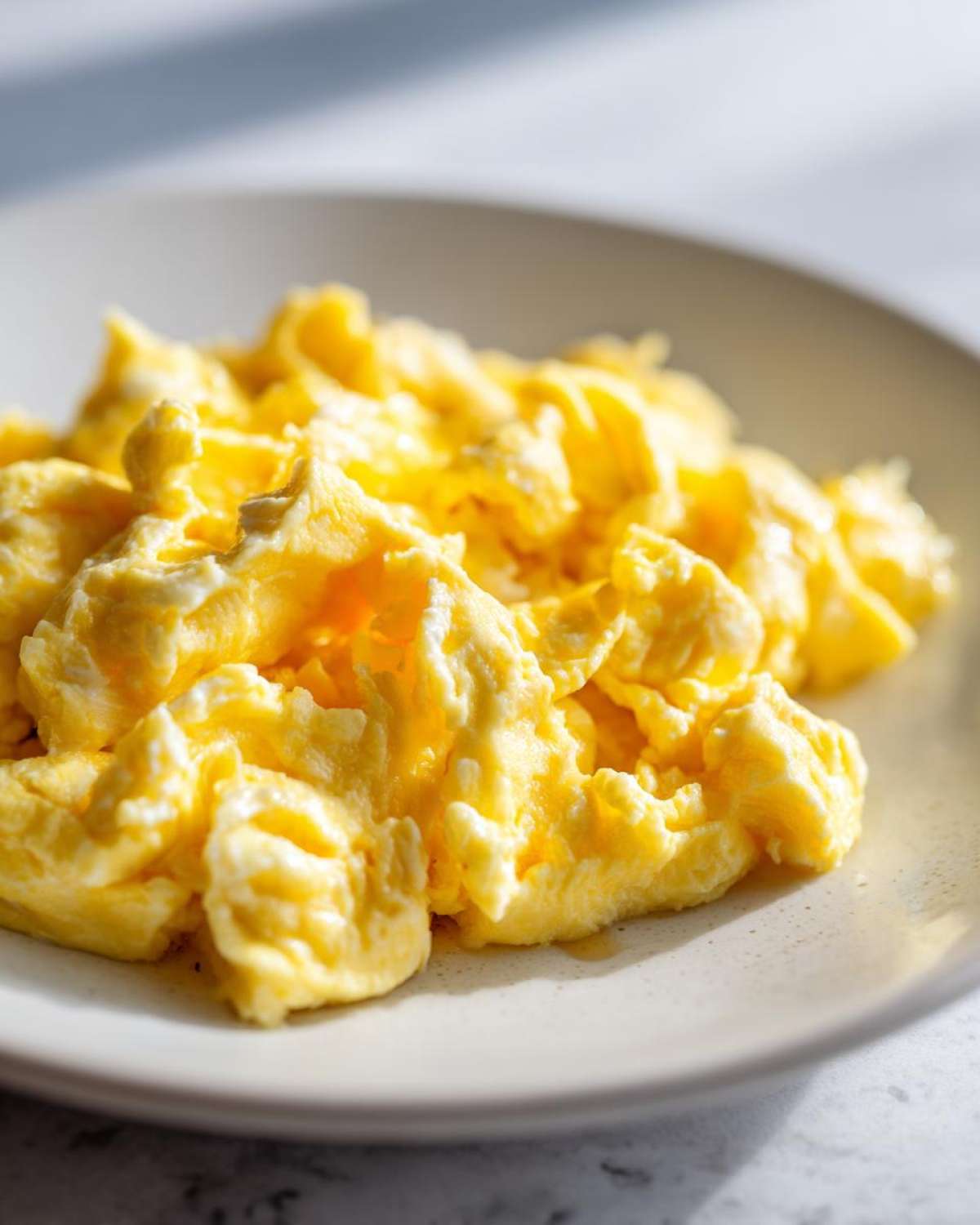
Also, don’t be afraid of tasting as you go, but use caution—they are hot! A quick taste after you fold them once will tell you if you need more salt or pepper. If you’ve got some extra time later in the day, you should try my recipe for easy beer cheese dip; it’s savory and a completely different kind of comfort food!
Variations: From Cheesy Egg Scramble to Brunch Ideas
This recipe is such a fantastic, reliable base. Once you master the creamy texture, it’s begging for variations! If you are looking for something extra savory, turning this into a cheesy egg scramble is so easy. Just wait until the eggs are 90% done—when they look like they just need a minute more—and sprinkle in about a quarter cup of your favorite shredded cheese. Keep folding until it melts right in. Amazing!
If you are planning a big Saturday brunch, you can definitely scale this up for a crowd. The key is using a much larger, wide, heavy-bottomed pan to mimic the surface area of our smaller skillet. You have to stir a bit more frequently so everything cooks evenly, but the texture stays superb. These are definitely high-end best brunch ideas that people will rave about.
For a heartier meal, you can mix crispy potatoes or sautéed mushrooms in during the last minute of cooking. If bacon or ham is your thing, dice it up small and warm it through before you even put the butter in the pan. Speaking of hearty, if you ever need a real crowd-pleaser, you have to look at my recipe for the meatloaf casserole cheesy loaded bake!
Storage & Reheating Instructions for Leftover Scrambled Eggs
Now, I know these are best eaten the second they come off the heat—that’s just the nature of perfectly cooked eggs! But let’s be real, sometimes you make too many, or you need to pack lunch ahead of time. The bad news is that leftover eggs, especially those delicate, custardy ones, will firm up a bit in the fridge. They won’t have that same incredible velvet texture, but we can totally bring them back from the brink!
The secret weapon for reheating? A tiny splash of liquid! Seriously, this is a game-changer. Whether you use a drop of milk, cream, or even just tap water, it brings back some needed steam. Store your leftovers in an airtight container in the fridge for no more than two days. When you’re ready to eat them, put just the portion you want in a microwave-safe bowl.
Nuke them in 15-second bursts on 50% power, giving them a gentle stir in between each burst. This low-power reheating prevents them from turning into rubber bricks. It keeps them surprisingly soft enough for a quick meal when you’re running out the door. If you need a decadent dessert after your quick breakfast, you should totally check out my recipe for easy rich creamy chocolate fondue recipe to end the day on a sweet note!
Frequently Asked Questions About Making Fluffy Scrambled Eggs Recipe
I get so many messages from folks trying to nail that perfect texture, and I totally get it! Eggs seem simple, but they are so easy to mess up when you’re rushing. Here are the questions I hear most often about achieving those cloud-like, fluffy scrambled eggs recipe results we all dream about! Before we dive in, if you want to see what others are pinning, check out the amazing dishes over at Pinterest!
Should I add milk or water to my scrambled eggs?
This is a classic debate, but for this specific recipe aiming for both fluffy and creamy, we use both! The heavy cream or whole milk is all about richness and that beautiful, decadent mouthfeel—that’s what makes them creamy scrambled eggs. The teaspoon of water is my little trick; when it hits the warm pan, it turns into steam really fast, giving you that light lift so they aren’t dense little discs. It’s the best of both worlds!
What is the secret to Restaurant Style Eggs texture?
If you want those gorgeous restaurant style eggs, you have to commit to the low heat and the constant folding motion. Don’t walk away! You need the heat low enough so that the eggs cook slowly, letting the proteins stay soft and custardy. If you stir vigorously, they’ll become curds. We want gentle folding and pushing from the sides to the middle. It’s all about that slow build-up of velvety layers.
Can I use high heat for scrambled eggs if I am in a hurry?
Oh, tempting, I know, especially when you’re grabbing a **quick morning meal**! But please, resist the urge! High heat is the number one way to guaranteed dry, tough eggs. When the heat is too high, the eggs cook instantly on the bottom layer before you even have time to fold. This traps moisture poorly and results in rubbery bits, which is the complete opposite of the soft custardy eggs we are aiming for. Trust me, five extra minutes over medium-low heat is worth skipping the tough texture battle! If you need a savory appetizer later, try my olive oil bread dip recipe.
Serving Suggestions for Your Creamy Scrambled Eggs
Now that you have achieved egg perfection—those glorious, impossibly soft mounds of deliciousness—you definitely don’t want to pair them with anything boring! These eggs deserve a proper stage. They are so rich and flavorful they actually don’t need much company, but a few simple additions can turn this quick breakfast into a stunning plate worthy of any weekend spread or best brunch ideas board.
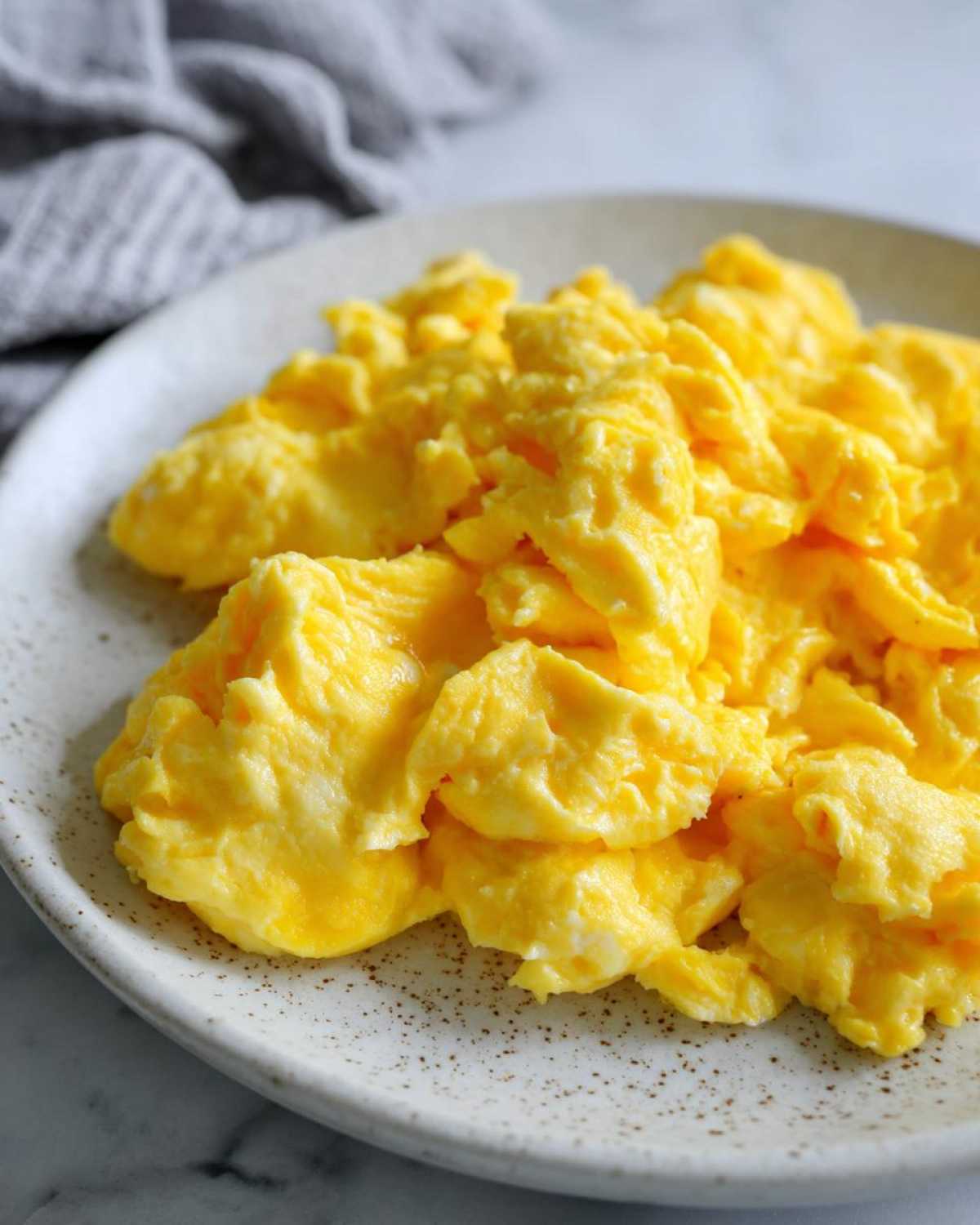
Keep it simple, keep it fresh. My go-to after I pull the pan off the heat is just sprinkling on some finely chopped chives for a little visual pop and a fresh bite. But if you’re feeling ambitious, here are my favorite pairings:
- Toasted Sourdough: A thick slice of buttered, crunchy sourdough is the perfect companion. That textural contrast between the crisp toast and the velvety eggs is everything.
- Avocado Fan: A simple fan of sliced avocado seasoned with a pinch of flaky salt. The creaminess doubles down on itself, but in the best way possible!
- Side of Freshness: A small cup of seasonal berries—strawberries or blueberries—really cuts through the richness of the eggs nicely.
- Crispy Protein: If you need meat, keep it crispy so it contrasts the soft eggs. Think crispy bacon or thin slices of pan-seared ham. Avoid soft sausage links; they just blend in too much!
Honestly, once you’ve mastered this technique for velvety scrambled eggs, you realize how versatile they are. They make a fantastic topping for leftover hash browns or even tucked into a warm tortilla. If you are looking for something decadent to serve for dessert after you’ve conquered breakfast, you absolutely have to try my tiramisu recipe easy italian dessert!
Estimated Nutritional Information for Scrambled Eggs
Since we are aiming for the best quality breakfast here, it’s always smart to know what you’re eating! I always say that understanding the nutrition helps you feel even better about enjoying a truly rich meal. While this recipe focuses on making the most glorious, creamy eggs possible, it’s still a super quick way to get protein into your morning routine.
Keep in mind that these figures are just an estimate based on the ingredients listed in the recipe—if you use skim milk instead of heavy cream, or skip the butter, those numbers definitely shift! But as a baseline for two servings, here is what you can generally expect:
- Calories: Approximately 240 per serving
- Protein: A solid 16 grams!
- Fat: Around 18 grams (remember, a good chunk of that is that beautiful butter we used!)
- Carbohydrates: Very low, around 2 grams.
- Sugar: Only about 1 gram.
- Cholesterol: This is higher, around 450 mg, mostly from the yolks, which is why we encourage pairing this with fresh fruit!
It’s a wonderfully filling and protein-powered start to the day. These eggs are so satisfying, they make me want to bake something decadent later! If you’re looking for a truly easy dessert to round out the day, you won’t believe how simple my no-bake peanut butter pie recipe is!
PrintThe Best Creamy and Fluffy Stovetop Scrambled Eggs

Learn the low-heat technique for making restaurant style eggs that are velvety, soft, and custardy every time. This foolproof breakfast hack delivers perfect scrambled eggs in under 10 minutes.
- Prep Time: 3 min
- Cook Time: 5 min
- Total Time: 8 min
- Yield: 2 servings 1x
- Category: Breakfast
- Method: Stovetop Cooking
- Cuisine: American
- Diet: Vegetarian
Ingredients
- 4 large eggs
- 2 tablespoons whole milk or heavy cream (for creaminess)
- 1 teaspoon water (for fluffiness)
- 1 tablespoon unsalted butter
- Pinch of salt
- Freshly ground black pepper to taste
Instructions
- In a medium bowl, whisk the eggs, milk or cream, and water together until the mixture is uniform and slightly frothy. Do not over-whisk. Add a pinch of salt now.
- Place a non-stick skillet over medium-low heat. Add the butter and let it melt completely until it foams slightly.
- Pour the egg mixture into the warm skillet. Let the eggs sit undisturbed for about 30 seconds until the edges just begin to set.
- Using a rubber spatula, gently push the cooked egg from the edges toward the center, tilting the pan so the uncooked egg flows underneath.
- Continue this low heat cooking process, gently folding and stirring the eggs every few seconds. Do not rush this step; low heat is the secret to soft custardy eggs.
- When the eggs are mostly set but still look slightly wet and glossy (this is key for velvety scrambled eggs), remove the pan from the heat immediately. The residual heat will finish cooking them.
- Stir in freshly ground black pepper. Serve right away for the best texture.
Notes
- For cheesy egg scramble variations, stir in 1/4 cup of shredded cheddar cheese during the last minute of cooking.
- If you are preparing scrambled eggs for a crowd, use a larger, heavy-bottomed pan and maintain the low heat setting, stirring more frequently.
- For restaurant style eggs, use a small amount of butter and avoid adding too much liquid, focusing instead on constant movement over low heat.
Nutrition
- Serving Size: 1 serving
- Calories: 240
- Sugar: 1
- Sodium: 250
- Fat: 18
- Saturated Fat: 9
- Unsaturated Fat: 9
- Trans Fat: 0
- Carbohydrates: 2
- Fiber: 0
- Protein: 16
- Cholesterol: 450