

Listen, if you’ve ever taken a bite of a shop-bought scone only to realize you’re chewing on a sad, dry heap of crumbs, I feel you! It’s heartbreaking. That’s why I’m sharing what I swear is the absolute Best Scone Recipe—the one that guarantees those beautifully crispy edges and a center that melts in your mouth. I’m Sophia, and in my kitchen, we never settle for dry baked goods. These buttermilk scones have changed my brunch game forever, and I want them to change yours too!
We see so many beautiful creations over on Pinterest, and honestly, that’s what inspired me to nail this texture down perfectly. You can see what others are loving over at my favorite inspiration board here!
- Why This Buttermilk Scones Recipe Guarantees Fluffy Scones Perfection
- Gathering Ingredients for Your Moist Scone Recipe
- Step-by-Step Instructions for Easy Scone Recipe Success
- Baking Tips and Tricks for Perfect Bakery Style Scones
- Flavor Variations: Adapting Your Classic Scones
- Storage and Reheating Instructions for Homemade Scones
- Frequently Asked Questions About Making Scones
- Nutritional Estimates for These Quick Scones
- Share Your Perfect Scones Creations
Why This Buttermilk Scones Recipe Guarantees Fluffy Scones Perfection
I’ve seriously tested dozens of methods over the years, mostly fuelled by disappointment over those lackluster, dry commercial offerings. If you think you don’t like scones, trust me, you just haven’t had them made right! My goal here is to give you those deeply tender scones you see in fancy cafes, the kind that practically float off the plate. Forget the sad texture; we are chasing flaky layers!
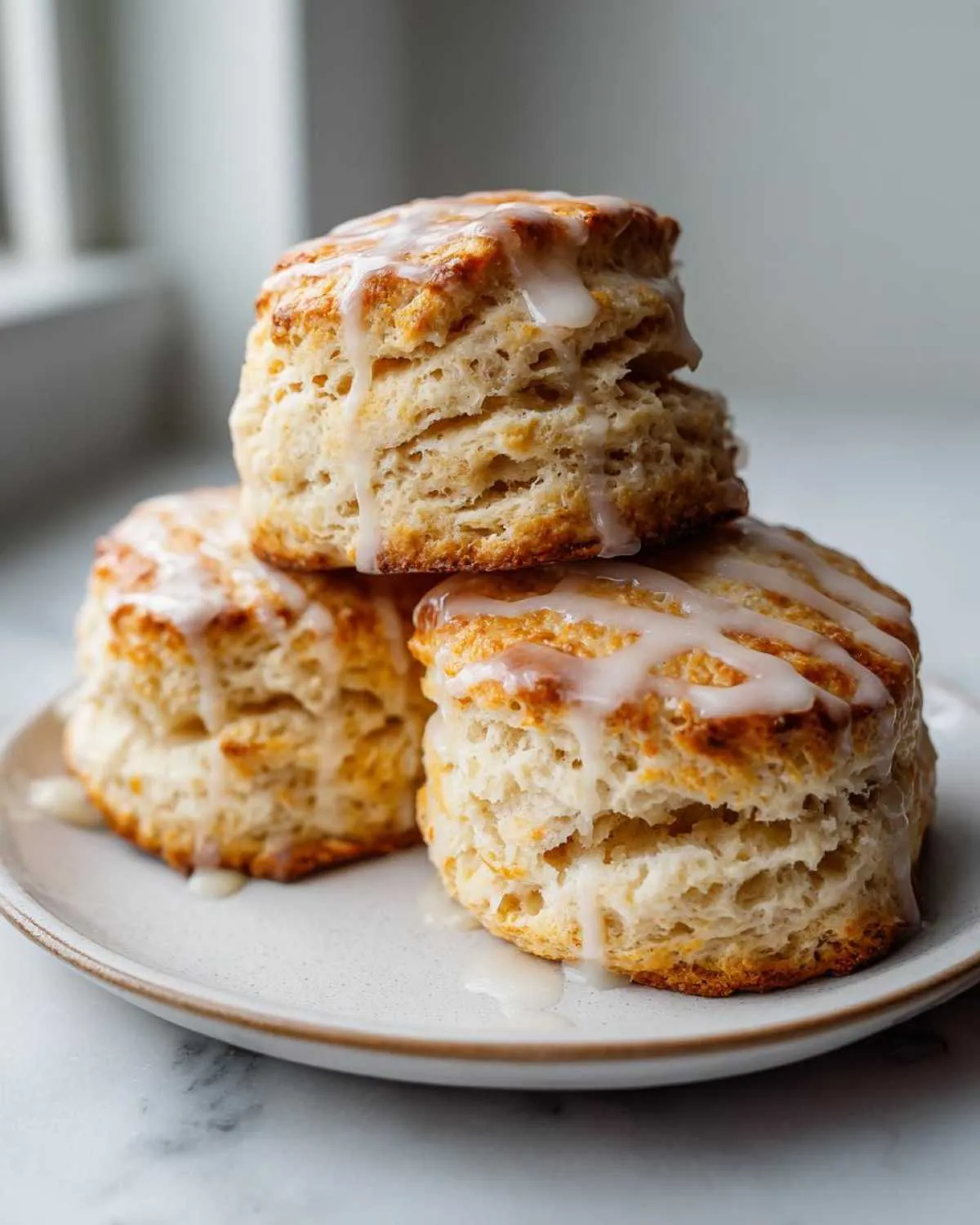
What makes this recipe different? It’s all about keeping things ridiculously cold and using buttermilk. That acid reacts beautifully with the baking powder, giving us those gorgeous height and that light, almost impossibly fluffy scones texture without compromising the savory fat content. This technique is how I finally achieved bakery-style results right from my own home kitchen. It cuts down on the stress often associated with perfect pastry, making it much easier than trying complex meal planning.
If you love learning about making other light, tender items, you might enjoy my take on fluffy tea biscuits, too! Check out that recipe here.
Gathering Ingredients for Your Moist Scone Recipe
Okay, getting ready to bake these amazing scones is almost as fun as eating them! The secret to keeping them moist and tender starts right here with our ingredients. Seriously, the temperature of your dairy is everything. You absolutely must use very, very cold butter and cold buttermilk—don’t even think about letting them warm up on the counter!
For the main dough, everything needs to look precise. Make sure you’re using cold unsalted butter that you’ve cut into small cubes; this helps us achieve those flaky layers when we cut it into the flour mixture. And I stress again: use that cold buttermilk! It makes all the difference when developing structure in quick breads like this.
For the Optional Scone Glaze Recipe
If you want that beautiful, sweet finish, you’ll mix up a quick glaze while the scones are cooling down. It just needs a cup of powdered sugar, a couple of tablespoons of milk, and a splash of vanilla extract whisked until it’s perfectly smooth and easily drizzle-able.
Step-by-Step Instructions for Easy Scone Recipe Success
Alright, let’s get baking! This is where the magic happens, but remember the mantra: gentle hands are happy hands when making perfect scones. First thing’s first, get that oven preheated to 400°F (200°C) and line your sheet—we need everything ready to go!
Once you’ve whisked your dry goods, you’ll cut in that cold butter. Listen, you’re looking for coarse crumbs here, like tiny peas swimming in flour. Don’t worry if you see some slightly bigger chunks; those are essential! After that, pour in your wet mixture. Step five is vital: mix only until it’s *just* combined. If you start stirring too much and the shagginess disappears, STOP! Overmixing is the enemy of the tender scone.
Because we’re aiming for those fantastic, flaky layers that make these scones worth talking about, we are using a special folding method right after we turn the dough out onto the counter. This technique builds structure and texture beautifully. If you want a deep dive into general baking science, I put together some great baking tips and tricks here that might help you understand the process even better.
Building Layers: The Secret to Buttery Scones
This folding part is non-negotiable for achieving those beautiful separation lines in your baked buttery scones. After gently patting the dough out to about an inch thick, you fold it over itself in thirds, like you’re folding a business letter. Turn that folded piece 90 degrees and pat it out again. This simple process stacks the butter between the dough layers, ensuring steam lifts them apart perfectly while baking!

Finally, cut your wedges or rounds, brush them lightly with extra buttermilk so they brown nicely, and slide them into that hot oven for about 15 to 18 minutes. Seriously, resist the urge to open that door too early, we want those golden, crisp edges!
Baking Tips and Tricks for Perfect Bakery Style Scones
Now that you’ve got your dough together, let’s make sure these turn out like true Bakery Style Scones and not something disappointing! The oven temperature has to be HOT—400°F is perfect. A high initial heat helps the butter steam rapidly, forcing those layers in the dough to separate quickly. That’s how you get height!

When you place these beautiful scones on the baking sheet, make sure they have some breathing room, about an inch apart. If they’re too crowded, they steam instead of brown, and we want those crisp edges we bragged about earlier.
Don’t rely only on a toothpick for testing; give the tops a gentle poke. They should spring back! If they feel set and the tops are nicely golden brown after 15 minutes, pull them out. Trust me, taking them out right when they’re done keeps them moist inside.
Flavor Variations: Adapting Your Classic Scones
The best part about mastering this basic buttermilk base for scones is that you can turn it into almost anything you want! This recipe is so popular on Pinterest because it’s easily adaptable for all kinds of amazing flavors, perfect for any of your Brunch Recipes or special Afternoon Tea Treats.
In my recipe notes, I listed some of my favorites, but you can go wild here. If you want something bright and zesty, fold in fresh blueberries and lemon zest! Or, for a chocolate lover’s dream, toss in some chocolate chips right before you start folding the dough. If you are feeling fall flavors, Cranberry Orange Scones or even Maple Pecan Scones are incredible twists on this classic.
Creating Savory Scones Recipe Options
It doesn’t always have to be sweet, though! If you are leaning toward a Savory Scones Recipe idea, it’s so simple to pivot. Just omit that quarter cup of sugar entirely and stir in about half a cup of sharp shredded cheddar cheese along with some dried chives or black pepper. It transforms this easily made dough into the perfect side for soup or stew!
For the cranberry orange version, I have a dedicated recipe card just for that flavor profile that you can check out if you love that seasonal taste: see that here!
Storage and Reheating Instructions for Homemade Scones
The best news about these amazing homemade scones is that they taste fantastic the next day, too, provided you store them right! Once they’ve cooled completely—and I mean completely, or you’ll get condensation weirdness—pop them into an airtight container. They’ll keep beautifully at room temperature for about three days.
If you want to bring back that fresh-from-the-oven crispiness, don’t reach for the microwave! That just makes them tough. Instead, reheat them briefly in a moderate oven—say, 325°F—for about five minutes. That little blast of warmth brings back the flaky texture and that wonderful buttery aroma. Enjoy your leftovers!
Frequently Asked Questions About Making Scones
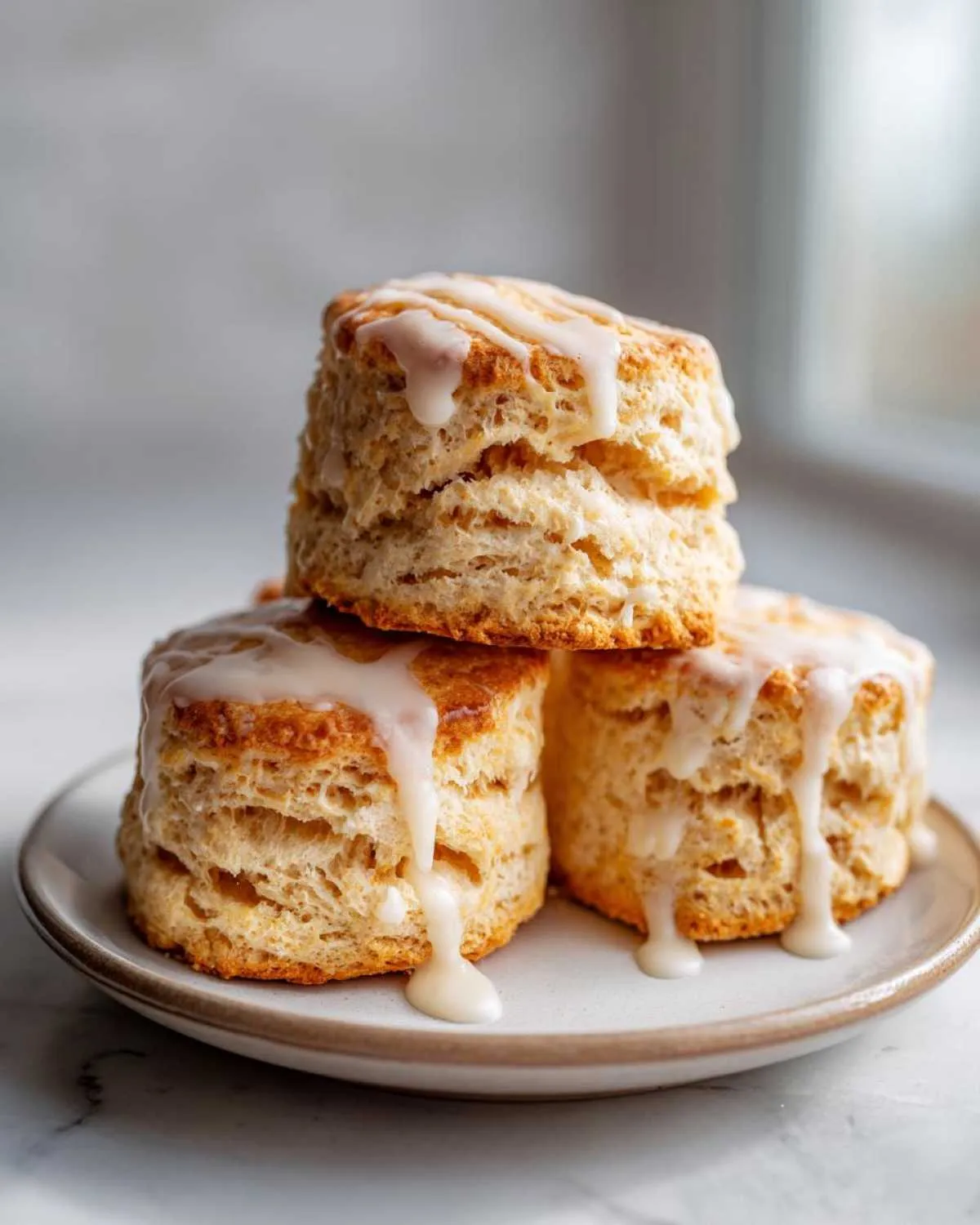
I always get tons of questions about these scones because everyone is terrified of ending up with a dry brick! So, let’s clear up the last few things before you start whipping these up for your next batch of breakfast scones.
Why did my homemade scones turn out dry?
Oh, that’s usually the number one issue! 99% of the time, dry scones happen because the ingredients weren’t cold enough, or you mixed the dough way too much. If you overmix, you develop the gluten, and that just means tough, dry pastry instead of tender scones. Remember, we only want to mix until it’s *just* combined!
Can I use regular milk instead of buttermilk?
You can, but I really, really encourage using buttermilk for the best scone recipe results. Buttermilk offers that acidity that reacts with the baking powder to give you height and tenderness. If you absolutely must substitute, mix 3/4 cup of regular milk with one teaspoon of white vinegar or lemon juice and let it sit for five minutes to curdle slightly. That gives you a homemade substitute!
How thick should I make my dough?
When you go to pat it out before folding, aim for about 1 inch thick. If you go too thin, they won’t rise up tall enough to be those beautiful bakery style scones we love. Thicker dough equals taller, flakier layers!
How do I make sure I get those crispy edges?
That comes from two places: making sure the oven is sufficiently hot (400°F!) and giving them space on the pan so the air circulates around them, helping those edges crisp up beautifully.
For general recipe troubleshooting, sometimes you just need a little extra help, which is why I always recommend checking out my general article on baking tips and tricks!
Nutritional Estimates for These Quick Scones
When you’re whipping up these amazing glazed scones, it’s always good to have a ballpark idea of what you’re eating, right? Now, please remember that because we like to customize with different berries or chocolate chips, these numbers are only estimates based on the plain recipe with the vanilla glaze.
For one serving—that’s one scone—you’re looking at roughly 320 calories. We’ve got about 18 grams of fat (hello, lovely butter!) and around 35 grams of carbohydrates, with about 12 grams of sugar. It’s a delightful breakfast treat, not exactly a diet food, but certainly worth every single delicious crumb!
Share Your Perfect Scones Creations
I truly can’t wait to see what incredible things you do with this scones recipe! Once you bake them, please come back and leave a star rating—it helps other bakers know they need to try this technique. Let me know in the comments which flavor variation you went with! Seeing your success stories and your beautiful, flaky scones is what motivates me every day here at Kitchen User. You can read a little more about my love of baking on my About page!
PrintThe Best Buttermilk Scones: Crispy Edges and Tender Centers

Make bakery-style scones at home! This easy recipe uses buttermilk and a simple folding technique to guarantee crispy edges, a flaky, moist middle, and rich buttery flavor every time. Adapt this base for any flavor you love.
- Prep Time: 15 min
- Cook Time: 18 min
- Total Time: 33 min
- Yield: 8 scones 1x
- Category: Breakfast
- Method: Baking
- Cuisine: American
- Diet: Vegetarian
Ingredients
- 2 cups all-purpose flour
- 1/4 cup granulated sugar
- 1 tablespoon baking powder
- 1/2 teaspoon salt
- 1/2 cup (1 stick) cold unsalted butter, cut into small cubes
- 1 large egg
- 3/4 cup cold buttermilk
- 1 teaspoon vanilla extract
- Optional Glaze: 1 cup powdered sugar, 2 tablespoons milk, 1/2 teaspoon vanilla extract
Instructions
- Preheat your oven to 400°F (200°C). Line a baking sheet with parchment paper.
- In a large bowl, whisk together the flour, sugar, baking powder, and salt.
- Add the cold, cubed butter to the dry ingredients. Use a pastry blender or your fingertips to cut the butter into the flour until the mixture resembles coarse crumbs with some pea-sized pieces remaining.
- In a separate small bowl, whisk together the egg, cold buttermilk, and vanilla extract.
- Pour the wet ingredients into the dry ingredients. Mix gently with a fork until just combined. Do not overmix; the dough will look shaggy.
- Turn the dough out onto a lightly floured surface. Gently pat the dough into a rough rectangle about 1 inch thick.
- Fold the dough in thirds (like a business letter). Turn the dough 90 degrees and gently pat it down again to about 1 inch thick. This folding builds layers for flakiness.
- Cut the dough into 8 equal wedges or use a biscuit cutter for rounds. Place the scones on the prepared baking sheet, leaving about 1 inch between them.
- Brush the tops lightly with a little extra buttermilk for better browning.
- Bake for 15 to 18 minutes, or until the tops are golden brown and the edges are crisp.
- Let the scones cool on a wire rack for 10 minutes.
- For the glaze, whisk together the powdered sugar, milk, and vanilla until smooth. Drizzle over the slightly warm scones.
Notes
- For Blueberry Scones, gently fold in 1 cup of fresh or frozen blueberries after step 5.
- For Chocolate Chip Scones, fold in 3/4 cup of chocolate chips after step 5.
- Keep all dairy ingredients very cold to achieve the best flaky texture. This recipe avoids the need for complex meal planning by being quick to prepare.
- If you prefer a savory scone, omit the sugar and add 1/2 cup of shredded sharp cheddar cheese.
Nutrition
- Serving Size: 1 scone
- Calories: 320
- Sugar: 12
- Sodium: 250
- Fat: 18
- Saturated Fat: 11
- Unsaturated Fat: 7
- Trans Fat: 0
- Carbohydrates: 35
- Fiber: 1
- Protein: 6
- Cholesterol: 75