
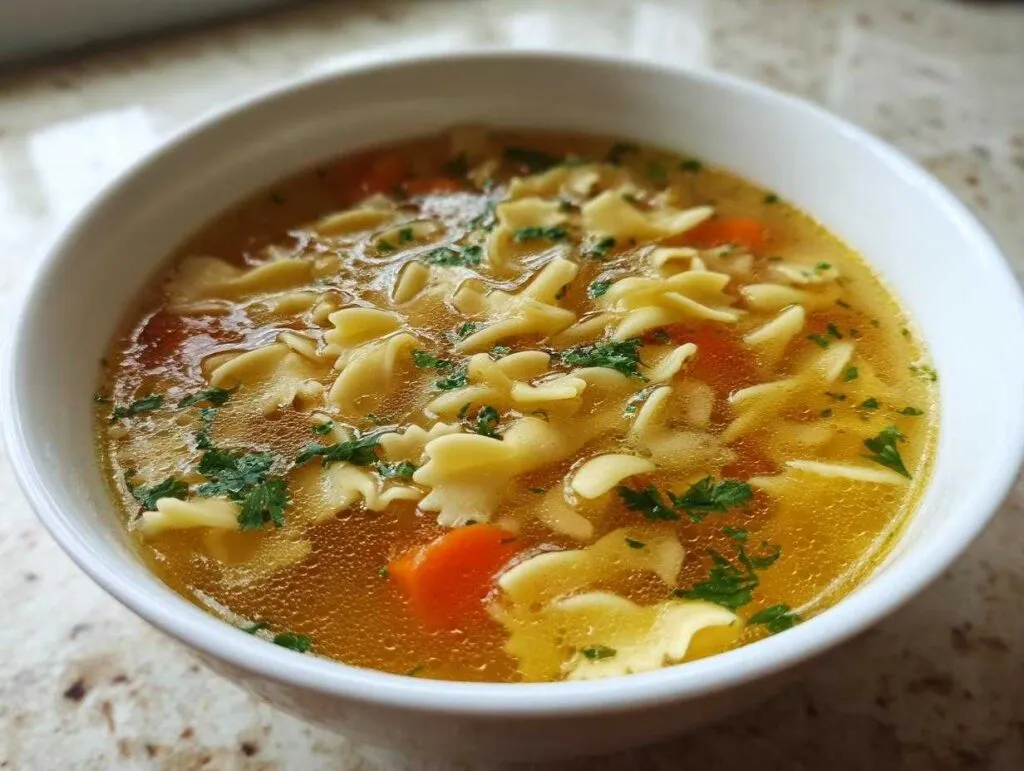
Oh, if there’s one thing I know deep in my bones, it’s comfort food. When life gets chilly, or maybe you’re just feeling a little under the weather, nothing beats the nostalgia of a warm bowl made just right. That’s where my family’s classic pastina soup comes in. We affectionately call this recipe “Italian Penicillin” because, honestly, it’s pure magic for the soul! Growing up in my grandmother’s kitchen, I learned that the best medicine often comes in the form of a simple, nourishing broth. This recipe is quick—ready in about 30 minutes—but tastes like it simmered all day long. It’s truly the ultimate healing hug in a bowl!
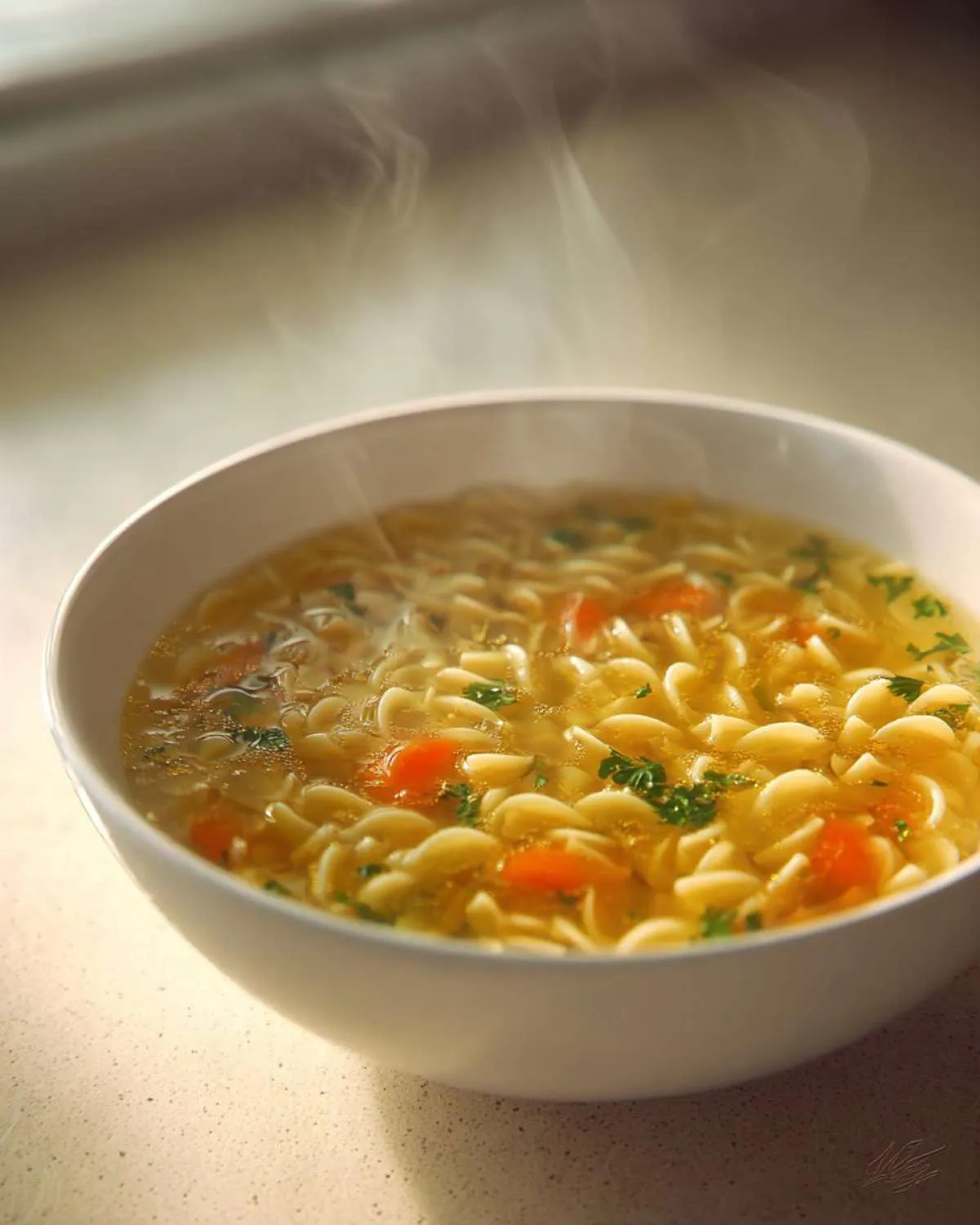
- Why This Classic Italian Pastina Soup is Your New Comfort Food Staple
- Gathering Ingredients for the Best Pastina Soup Recipe
- Step-by-Step Instructions for Quick Pastina Soup
- Expert Tips for Perfect Italian Pastina Soup Every Time
- Serving Suggestions for Your Nostalgic Soup
- Storage and Reheating Instructions for Leftover Pastina Soup
- Frequently Asked Questions About Pastina Soup
- Nutritional Snapshot of This Comforting Meals Recipe
- Share Your Experience Making This Pastina Soup!
Why This Classic Italian Pastina Soup is Your New Comfort Food Staple
When I reach for this recipe, I’m not just making dinner; I’m hitting the nostalgia button, hard! This comfort food soup is exactly what my grandmother made for me after I skinned my knee or didn’t feel well at school. It’s simple, yes, but it carries so much history and love in that little pasta shape. The best part? It’s lightning fast! You don’t need to spend hours simmering bones to get that rich flavor base, which is why this stands out as my favorite quick pastina soup for busy weeknights when only something deeply comforting will do.
It gives you that classic Italian flavor profile so quickly, which really builds trust with readers looking for authenticity without the commitment. If you need something soothing for a cold evening or just a ridiculously easy weeknight meal, this one is it. You might even find yourself making it just as often as my creamy chicken pot pie soup recipe, which is saying a lot!
The Magic of Minimal Effort Soup
If you’re anything like me, sometimes you want that feeling of accomplishment without all the fuss—hello, minimal effort soup! This classic Italian pastina soup is the answer. We’re talking about getting a bowl of nourishing goodness on the table in under 30 minutes. Seriously! The flavor comes from building a tiny but mighty vegetable base, or soffritto, right at the start. That quick step is the secret to making this soup taste deep and complex, even though it qualifies perfectly as a soup ready in 30 minutes. No heavy lifting required, just pure, soulful ease!
Gathering Ingredients for the Best Pastina Soup Recipe
Okay, let’s talk ingredients for this amazing pastina soup recipe. Since this soup is so straightforward, the quality of what you put in really matters. You don’t need a huge grocery list—in fact, most of this is probably already hanging out in your pantry or fridge! Don’t forget to check out my tips on adding those secret boosts to my hearty chicken noodle soup recipe for inspiration on making simple broths shine!
Here is exactly what you need for four bowls of delicious, healing soup:
- 6 cups quality chicken stock or vegetable broth
- 1 tablespoon olive oil
- 1 medium yellow onion, finely chopped
- 2 carrots, peeled and finely chopped
- 2 celery stalks, finely chopped
- 2 cloves garlic, minced
- 1 cup pastina pasta (small stars or acini di pepe)
- 1/4 cup grated Parmesan cheese, plus more for serving
- 1 Parmesan rind (optional, but trust me on this one!)
- Salt and freshly ground black pepper to taste
- Fresh parsley, chopped, for garnish
Ingredient Notes and Substitutions for Your Pastina Pasta Soup
If you want that true “Italian penicillin” flavor that soothes everything, listen closely to these notes. First, the broth! If you can swing it, use good quality chicken stock—it makes the whole dish sing. If you are making this vegetarian, use a robust vegetable broth, but make sure it isn’t overly salty, since we’ll be adding Parmesan later.
Now, about that Parmesan rind. Is it crucial? In my opinion, yes! It melts into the broth while simmering and releases this crazy deep, umami flavor that you just can’t replicate later. If you don’t have one, you can just skip it, but it’s worth checking your aging Parmesan container before you grate it!
For the pasta, pastina is the classic. I love the little star shapes, but acini di pepe or even tiny orzo works if that’s what you have. Just watch the cook time carefully for those smaller shapes so they don’t get too soft before you’re ready to eat!
Step-by-Step Instructions for Quick Pastina Soup
Alright, let’s get cooking! This part is where the magic truly happens, and you’ll be amazed how fast this quick pastina soup comes together. Remember, we want speed without sacrificing that soulful flavor that defines this dish. I always think about my great-aunt Elia when I do this, humming while she chopped her vegetables. It should feel easy and natural! You can see how I apply similar quick-bake principles in my French onion chicken bake recipe, keeping effort low and flavor high.
- First things first, grab your biggest, heaviest pot—a Dutch oven is my favorite here for even heating. Put it over medium heat and drizzle in that tablespoon of olive oil.
- Toss in your finely chopped onion, carrots, and celery. This veggie trio is your soffritto, the flavor backbone of this soup! You need to sweat these down until they are soft and happy, which takes about 5 to 7 minutes. Stir them around a little so nothing scorches; we want them sweet, not brown.
- Once they smell fragrant, toss in the minced garlic. Now, be quick here! Garlic loves to burn, and burnt garlic tastes bitter, which is the last thing we want in a nourishing soup. Just cook it for about 1 minute until you can really smell that beautiful garlic wafting up.
- Time for the liquid! Pour in all 6 cups of your quality chicken stock or vegetable broth. If you decided to sneak in that optional Parmesan rind, drop it in now.
- Bring that whole mixture up to a gentle simmer. Don’t boil it hard; we want a happy, relaxed little bubble happening on the surface.
Building the Soothing Broth Base
This step is where we level up from just ‘vegetable soup’ to true Italian comfort. See that Parmesan rind floating in there? That’s my little secret for adding depth and saltiness without adding a ton of processed salt later. As the broth heats up, that rind slowly releases salty, nutty goodness right into the liquid. It’s genius, really, and a trick I picked up watching my cousins cook!
Keep that broth at a steady simmer. We aren’t rushing this part, even though the whole recipe is fast. This gentle heating ensures your veggies fully soften into the broth, creating that wonderfully soothing broth texture we are aiming for.
Cooking the Pastina and Finishing Your Pastina Soup
Once you have that beautiful simmer going, it’s time for the star of the show—the pasta! Add your cup of pastina pasta. Follow the package directions closely, but usually, it’s only about 7 to 10 minutes until the pasta floats up and is tender. Make sure you stir it now and then so those tiny bits don’t glue themselves to the bottom of your pot. We don’t want a sticky disaster!
When the pasta is perfectly tender—not mushy, just right—fish out that Parmesan rind and toss it. Now, take the pot off the heat. Stir in that 1/4 cup of already grated Parmesan cheese until it just melts right in. This adds creaminess without any heavy cream, which keeps this pastina soup light. Finally, taste it for seasoning! This is crucial. Add salt and freshly ground black pepper until it tastes like the best thing you’ve ever eaten. You built that flavor!
Expert Tips for Perfect Italian Pastina Soup Every Time
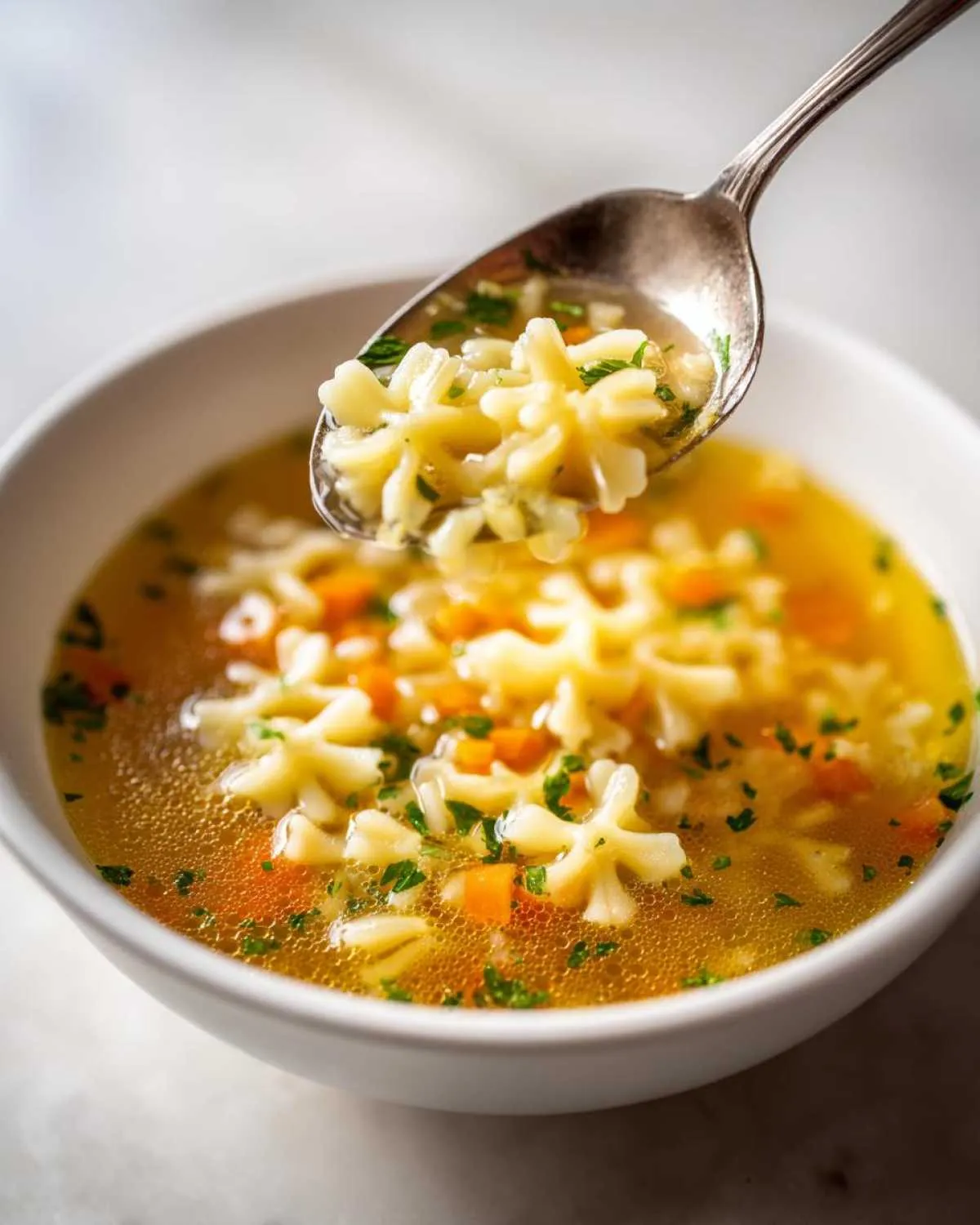
Now that you have the basic technique down for this amazing pastina soup, let me share a few things I’ve learned over the years to take it from good to absolutely legendary. These little tweaks are what separate a decent soup from the one that people immediately ask you to make for every family gathering or sniffle!
Tip number one is all about building that foundational flavor deeper than just the soffritto. Before you add all 6 cups of stock, try blooming your herbs! If you are using dried herbs like oregano or thyme, toss them in with the garlic for just 30 seconds—heat wakes up their flavor oils beautifully. It’s a trick I use in my famous teriyaki sauce too, and it makes a huge difference!
My next major piece of advice focuses on texture, which is key for a proper soup for sick days. If you or your kids are feeling really congested, try this: once the soffritto is soft (after step 2), take about one cup of those veggies and a little bit of broth and blend them until totally smooth. Then, pour that creamy, veggie-packed puree back into the pot before adding the rest of your 6 cups of liquid. It thickens the broth naturally without any flour or cream, giving you a richer, more coating mouthfeel that feels incredibly nourishing and healing.
Finally, don’t underestimate the finish! Right before serving—after you’ve stirred in the last bit of Parmesan—give it a tiny, bright hit of fresh lemon juice, maybe just half a teaspoon. It doesn’t make the soup taste like lemon, but it wakes up all those savory, earthy notes from the carrots and cheese. It’s that little spark that makes this comforting meals recipe taste so fresh and restorative, even if it’s just reheating leftovers!
Serving Suggestions for Your Nostalgic Soup
Even though our pastina soup is a complete meal all on its own—it’s got veggies and pasta!—it’s always fun to dress it up a little for family dinner, or just to make that bowl feel even more special. Because it’s so light and soothing, we don’t want to weigh it down with anything too heavy, but a few simple additions make it feel like an event rather than just a comfort food you ate when you were sick!
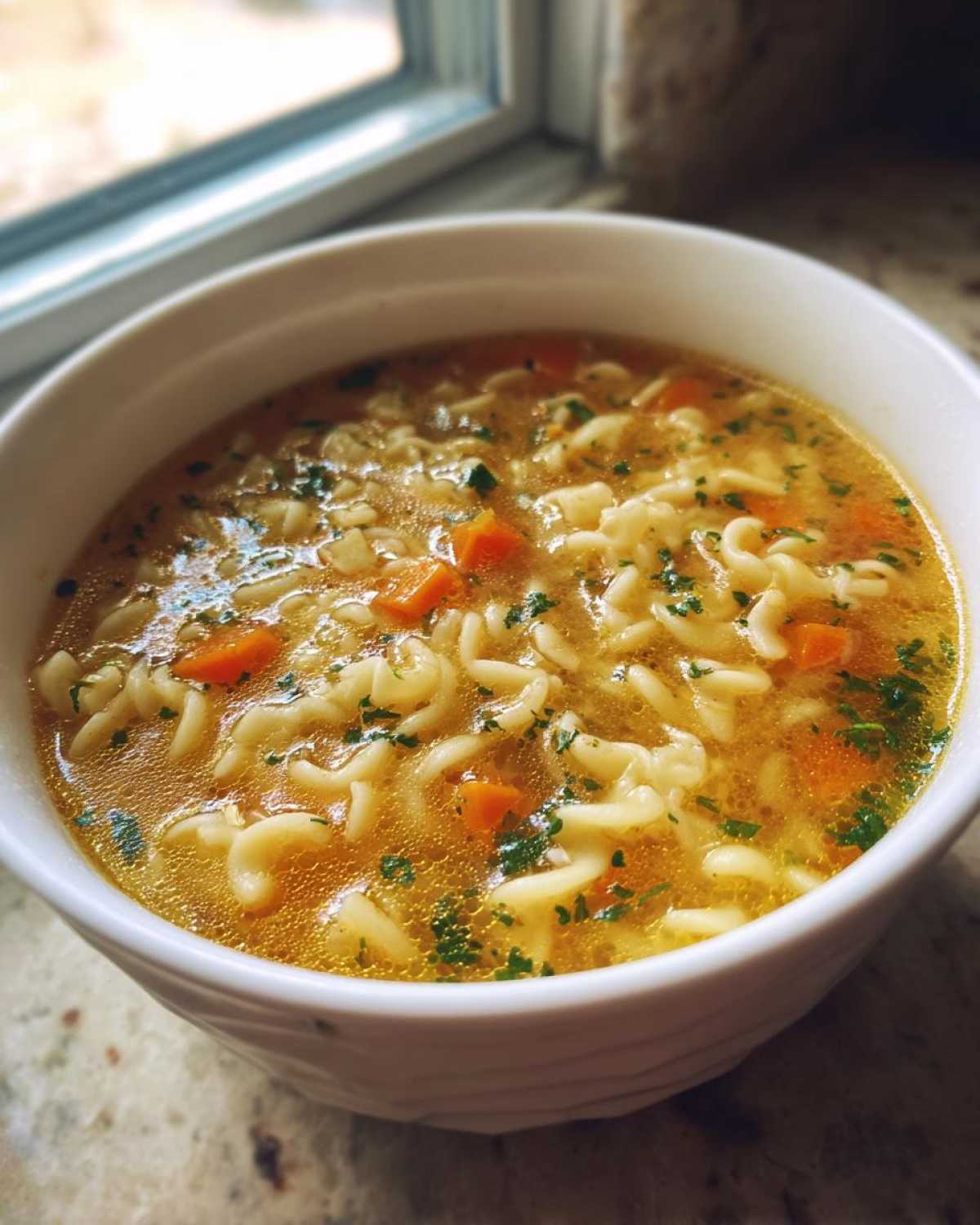
When I serve this truly nostalgic soup, I always make sure there’s something nice and crusty nearby. Nothing beats dipping a piece of crusty bread straight into that savory, cheesy broth. I often make a batch of my homemade English muffins, slice them open, toast them lightly, and then dip! That texture contrast between the soft pasta and the chewy bread is just *chef’s kiss*.
If you’re serving this for lunch or a lighter dinner, a very simple green salad on the side is perfect. Think mixed greens, maybe some thinly sliced cucumber, and just a drizzle of good quality olive oil and a squeeze of fresh lemon juice for the dressing. It keeps things bright and fresh, balancing out the warm, carb-y goodness of the pastina. No heavy vinaigrettes needed here—keep it simple so the soup remains the star!
Storage and Reheating Instructions for Leftover Pastina Soup
Now, here’s a little heads-up about any amazing pastina soup you might have left over: those tiny pasta shapes are thirsty! Pastina absorbs broth like crazy, even after it cools down in the fridge. If you just scoop up tomorrow’s leftovers and reheat them straight from the container, you’ll likely end up with something closer to pasta porridge than soup. We definitely don’t want that!
To keep this beautiful pastina soup tasting just as soothing the next day, you need to plan for rehydration. When you store the leftovers, keep the soup and the extra broth separate if you can, or just know that extra liquid is coming.
When you go to reheat your leftovers, whether on the stove or in the microwave, be generous with the additions. Pour in an extra splash, or maybe even a full 1/2 cup, of fresh chicken or vegetable broth for every serving you reheat. You need that extra moisture to loosen the pasta back up and get that soup consistency we started with.
I always heat mine slowly in a saucepan on the stovetop. Bring it up gently, stirring often. If it still seems a little too thick after five minutes of simmering with the added liquid, keep adding a tablespoon of broth at a time until it loosens back up to that perfect, comforting, pourable texture. It’s still just as delicious, I promise, but you have to rehydrate those tiny noodle stars!
Frequently Asked Questions About Pastina Soup
I always get so many great questions about this recipe because everyone wants their version of the ultimate pastina soup to be just right! It’s a recipe that invites customization, but some things just can’t be messed with. Here are some of the things I hear most often popping up in my inbox—I hope these help you nail that perfect, healing bowl!
Can I add chicken to this pastina soup?
Oh, absolutely, you can! This recipe is designed to be a foundational vegetable pastina soup, but adding protein transforms it right into a full meal that’s even more substantial. If you already have cooked, shredded chicken on hand—maybe you roasted a chicken recently—throw that in right at the end, maybe when you add the final cup of broth for reheating. You just want to warm the chicken through, not cook it, so add it right before the final taste test to avoid drying it out.
If you’re cooking raw chicken, I recommend cutting up a boneless, skinless breast or thigh into small dice, and then adding it right when you add the broth and the soffritto (step 3). It will cook perfectly while the vegetables soften, usually taking about 10 to 12 minutes. If you’re looking for a recipe with chicken that’s a little heavier, you might also check out my chicken and broccoli one-pan honey garlic for inspiration!
Is this truly the best soup for sick days?
Yes, yes, and a thousand times yes! This is why it earns the nickname Italian penicillin soup in my family. When you’re sick, your system needs nourishment that is easy to digest, and that’s exactly what this Italian pastina soup provides. It’s light, it’s warm, and the broth—especially if you use quality stock—is incredibly hydrating.
The tiny pastina pasta cooks so quickly and breaks down just a little bit, which slightly thickens the broth without making it heavy like a cream soup or thick like a stew. That gentle texture is perfect for when you’re not feeling 100%. Plus, the simple flavor profile is soothing, not jarring. It’s the kind of gentle, nourishing soup that your Italian *nonna* would insist you eat—and who are we to argue with a nonna’s wisdom?
What if I can’t find pastina pasta?
Don’t panic! The key component here is the shape—it has to be tiny so it cooks fast and soaks up the broth beautifully. If you don’t have pastina (like acini di pepe or tiny stars), you can substitute it with other equally tiny shapes. Small soup noodles, broken up a bit, work wonders. Even regular alphabet pasta works in a pinch! Just remember that different shapes have different cooking times, so always check the package label so you don’t overcook them!
Can this be made vegan? I’m looking for a vegetable pastina soup.
It’s super easy to make this a fantastic, warming vegetable pastina soup while keeping it completely vegetarian or vegan! First, when you buy your stock, just ensure you buy high-quality vegetable broth instead of chicken stock. That’s the big swap!
Second, you need to skip the Parmesan rind (since that comes from cheese). To make up for that lost savory depth, here’s what I recommend: add a teaspoon of white miso paste right at the very end when you are adding the grated Parmesan. Whisk the miso paste into a small ladle of the hot broth first to dissolve it, and then swirl it into the whole pot. Miso gives you that fantastic umami richness that mimics the deep, salty flavor of the real Parmesan rind. Trust me, it’s a game changer for making that soothing broth rich!
Nutritional Snapshot of This Comforting Meals Recipe
Now, I know some of you are watching your macros (and I totally get that!), but the main goal of this comfort food soup is pure soul satisfaction. However, since it’s packed with veggies and light on the heavy cream or excess fat, this classic Italian pastina soup is surprisingly wholesome! We use good quality stock, and the carbs come mostly from the tiny pasta which gives you energy without weighing you down.
The figures below are estimates, of course, because how much salt you sprinkle or how much broth you add back in when reheating can change things slightly. But this gives you a fantastic baseline for what you are getting in one generous 1.5-cup serving!
Estimated Nutrition Per Serving (1.5 Cups):
- Serving Size: 1.5 cups
- Calories: 250
- Fat: 6g (Saturated Fat: 2g)
- Carbohydrates: 38g (Fiber: 3g, Sugar: 4g)
- Protein: 12g
- Sodium: 650mg (This is the one to watch if you are sensitive to salt, so maybe use low-sodium broth!)
- Cholesterol: 5mg
See? It’s light enough to be a fabulous starter but filling enough thanks to the protein and pasta to stand up as a lovely, easy dinner idea. It’s proof that the best food doesn’t need to be complicated or heavy to be deeply satisfying!
Share Your Experience Making This Pastina Soup!
And there you have it! My absolute favorite, soul-soothing, totally nostalgic bowl of classic apastina soup. This isn’t just a recipe; it’s a little piece of my family’s kitchen history, and I feel so happy sharing it with you. Whether you needed a quick dinner idea or an emergency dose of Italian Penicillin, I hope this soup brings as much warmth to your table as it does to mine!
Please, please, let me know how it turned out for you! Drop a comment below with your rating—I read every single one and honestly, seeing your photos of this broth warming someone up just makes my day. It truly reinforces why I love sharing my kitchen adventures. If you snap a picture of your perfect bowl (maybe with a little extra Parmesan!), tag me online!
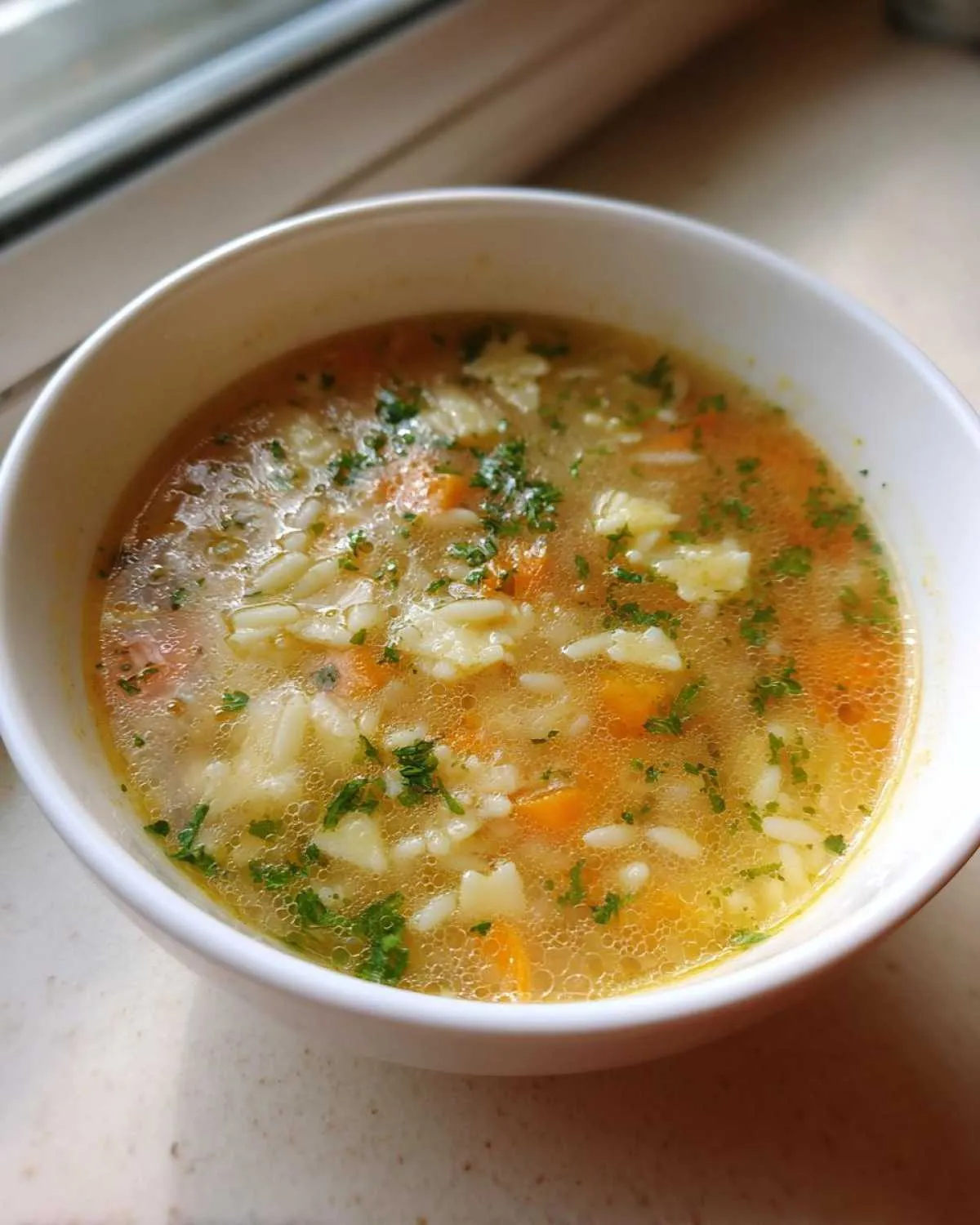
If you love quick, comforting recipes like this one, don’t forget you can keep up with all my latest culinary adventures and tips over on Pinterest. You can follow along at The Recipe Vault for daily inspiration. Happy cooking, and I hope this comfort food soup always makes you feel better!
PrintClassic Italian Pastina Soup: Your Soul-Soothing ‘Italian Penicillin’
This classic Italian pastina soup delivers pure comfort in a bowl. Known affectionately as ‘Italian penicillin,’ this recipe is quick, easy, and perfect for sick days or chilly nights when you need a nourishing hug.
- Prep Time: 10 min
- Cook Time: 20 min
- Total Time: 30 min
- Yield: 4 servings 1x
- Category: Soup
- Method: Stovetop
- Cuisine: Italian
- Diet: Vegetarian
Ingredients
- 6 cups quality chicken stock or vegetable broth
- 1 tablespoon olive oil
- 1 medium yellow onion, finely chopped
- 2 carrots, peeled and finely chopped
- 2 celery stalks, finely chopped
- 2 cloves garlic, minced
- 1 cup pastina pasta (small stars or acini di pepe)
- 1/4 cup grated Parmesan cheese, plus more for serving
- 1 Parmesan rind (optional, for deep flavor)
- Salt and freshly ground black pepper to taste
- Fresh parsley, chopped, for garnish
Instructions
- Heat the olive oil in a large pot or Dutch oven over medium heat. Add the chopped onion, carrots, and celery. Cook, stirring occasionally, until the vegetables soften, about 5 to 7 minutes. This base is your vibrant soffritto.
- Add the minced garlic to the pot and cook for 1 minute until fragrant. Be careful not to burn it.
- Pour in the chicken stock or vegetable broth. If you are using a Parmesan rind, add it now. Bring the broth to a gentle simmer.
- Once simmering, add the pastina pasta. Cook according to package directions, usually about 7 to 10 minutes, stirring occasionally to prevent the pasta from sticking to the bottom.
- When the pastina is tender, remove and discard the Parmesan rind. Stir in the 1/4 cup of grated Parmesan cheese until it melts into the broth.
- Taste the soup and season generously with salt and freshly ground black pepper. Remember, good seasoning makes this simple soup shine.
- Ladle the pastina soup into bowls. Garnish each serving with fresh chopped parsley and extra grated Parmesan cheese. Serve immediately for the ultimate comfort food experience.
Notes
- For a richer, more authentic flavor, use high-quality, low-sodium chicken stock.
- If you want to make this soup extra soothing for sick days, blend about 1 cup of the cooked vegetables and broth mixture before adding the pasta, then return it to the pot to thicken the soup naturally.
- This soup is best eaten right away, as the tiny pastina pasta absorbs liquid quickly. If you have leftovers, you may need to add extra broth when reheating.
Nutrition
- Serving Size: 1.5 cups
- Calories: 250
- Sugar: 4
- Sodium: 650
- Fat: 6
- Saturated Fat: 2
- Unsaturated Fat: 4
- Trans Fat: 0
- Carbohydrates: 38
- Fiber: 3
- Protein: 12
- Cholesterol: 5