
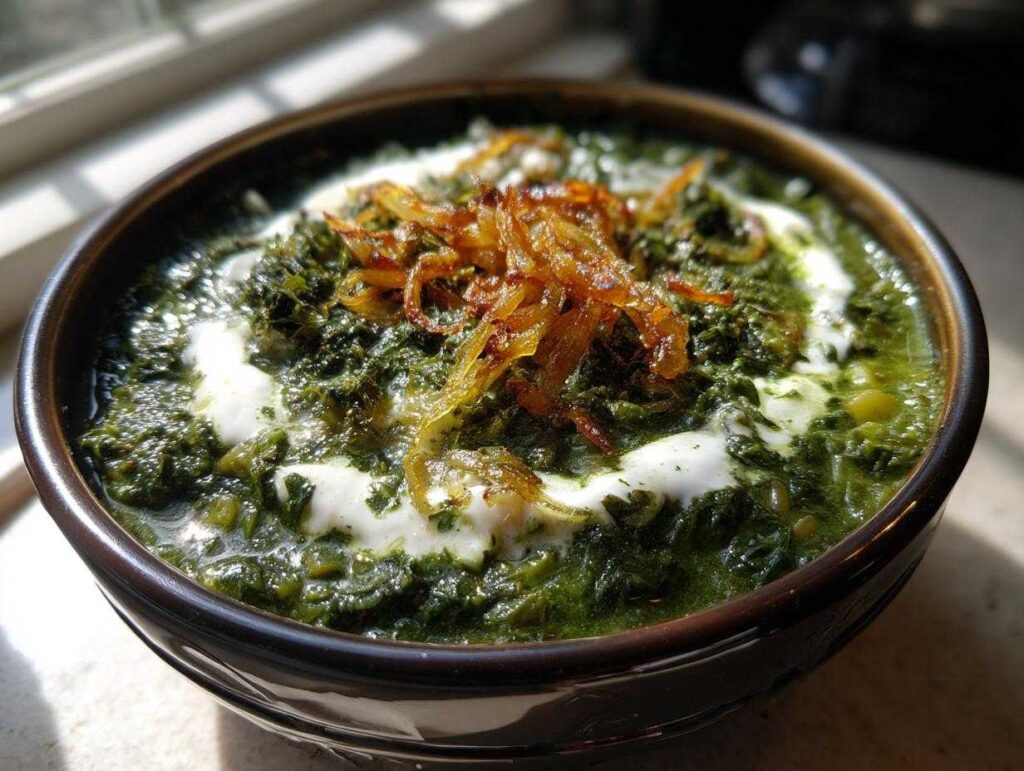
Oh, when the weather turns chilly or honestly, even when I just need a giant hug in a bowl, there is nothing—and I mean *nothing*—that beats a truly comforting bowl of soup. Forget those sad, watery things! Today, we are diving headfirst into the recipe that defined comfort for me growing up: the authentic **Persian Noodle Soup**, known lovingly as Ash Reshteh. My grandmother used to fill her kitchen with the scent of this aromatic broth, and while I was tiny, I learned that great cooking takes patience, but it doesn’t have to be complicated. This recipe holds the secret to unlocking that deeply savory, herbaceous flavor profile, making this traditional dish accessible to every home cook. Trust me, this version of Ash Reshteh will be your new go-to!
- Why This Persian Noodle Soup is Your New Favorite Comforting Winter Soup
- Essential Ingredients for Authentic Persian Noodle Soup (Ash Reshteh)
- Step-by-Step Instructions for Your Hearty Herb Soup
- Tips for Success: Mastering Your Persian Noodle Soup
- Variations on the Classic Persian Noodle Soup
- Serving Suggestions for Your Nourishing Homemade Soup
- Storage and Reheating Instructions for Leftover Persian Noodle Soup
- Frequently Asked Questions About Ash Reshteh Recipe
- Estimated Nutritional Information for this Persian Noodle Soup
Why This Persian Noodle Soup is Your New Favorite Comforting Winter Soup
I understand you might feel intimidated by the name “Ash Reshteh,” but let me tell you, this isn’t just some fancy soup—it’s pure, soul-warming fuel. If you’re looking for the ultimate **Comforting Winter Soup**, you’ve found it here! It’s robust, it’s layered, and it smells absolutely incredible while it simmers away on your stove. I promise you, once you make this **Persian Noodle Soup**, you’ll be adding it to your regular rotation, no special occasion needed!
Packed with Nourishing Legumes and Herbs
This isn’t your average broth. We pack this soup full of beans, lentils, and chickpeas! It’s wonderfully dense and makes a complete, wholesome meal all on its own. Forget those thin soups; this **Hearty Herb Soup** is loaded with fresh greens, giving it this vibrant color and an earthy taste that is just unbeatable. It’s nourishing comfort food at its finest, Sophia-approved!
Authentic Flavor Made Easy
Now, while it tastes like it took days to perfect—the kind of deep flavor you usually only find in a true **Traditional Persian Soup**—I’ve streamlined the process significantly. You won’t be running around sourcing fifty specialty ingredients, either! This whole dish really comes together beautifully as a **One Pot Persian Meal**. We are focusing on big flavor payoff with minimal cleanup. That’s my kind of cooking!
Essential Ingredients for Authentic Persian Noodle Soup (Ash Reshteh)
Okay, let’s talk ingredients because this is where the magic happens for any truly **Authentic Middle Eastern Recipe**. For Ash Reshteh, you can’t just throw things in—we need specific items prepped correctly to get that deep, earthy base flavor for our **Persian Noodle Soup**. Don’t worry, most of this is pantry staples, except for one key noodle!
Legumes and Broth Base
First things first: the foundation! You absolutely MUST soak your dried legumes overnight. I mean it! We are using chickpeas, kidney beans, and lentils. Drain and rinse them well before they even see the pot. For the liquid, grab 8 cups of good vegetable broth or water. If you use broth, your soup instantly gets richer, trust me on that one.
The Herb Mix and Reshteh Noodles Soup Component
This is the part that makes it a true **Hearty Herb Soup**! We layer in flavor using dried parsley, dried dill, dried cilantro, and that crucial bit of dried mint. Then, we add 1/2 cup of fresh spinach or whatever leafy greens are looking happy at the market—they wilt right down and add body. Finally, the star component: 8 ounces of reshteh noodles. This is what turns it into a proper **Legume and Noodle Soup**!
Traditional Kashk Topping Soup Garnishes
You can’t serve Ash Reshteh naked! The garnishes are non-negotiable for that authentic finish. You need kashk, which is a type of fermented dairy product. But hey, if you can’t find it, sour cream works as a perfectly acceptable substitute for us home cooks! We finish it off with crispy fried onions (piaz dagh) and a sprinkle of fried dried mint (nana dagh). These toppings are what really make this a showstopper **Kashk Topping Soup**.
Step-by-Step Instructions for Your Hearty Herb Soup
Now for the fun part—the actual cooking! You might think that combining beans, broth, and noodles is endless stirring, but if you follow my sequencing, you’ll end up with a perfectly cooked, thick, and savory broth. This is truly a great **One Pot Persian Meal**, so try to keep everything close by! If you’ve made something like a rich stew before, like my favorite beef stew with beans, you know how satisfying one-pot cooking can be.
Cooking the Legumes and Building the Broth
Grab those well-soaked, drained legumes (chickpeas, beans, and lentils) and toss them into your biggest pot with your 8 cups of broth or water. Bring that up to a boil, then lower the heat so it just gently bubbles along. You need to let those simmer until they start getting tender—about 45 minutes is usually my sweet spot. While they cook, get your flavor base ready! Sauté that chopped onion in the oil until it’s see-through, then add your turmeric and cook it for just that extra minute until it smells fragrant. Dump that whole onion mixture right into the simmering pot!
Infusing Flavor: Adding Herbs and Spinach
This is where we build that deep, amazing herbaceous quality that defines our **Hearty Herb Soup**. Once the onion mixture is in, go ahead and toss in all those dried herbs—the parsley, dill, cilantro, and dried mint. Let that simmer together for another 20 minutes so their flavor really blooms into the broth. Next, stir in your chopped fresh spinach or greens. They wilt down fast, usually in just five minutes, so don’t walk away!
Finishing the Persian Noodle Soup with Reshteh
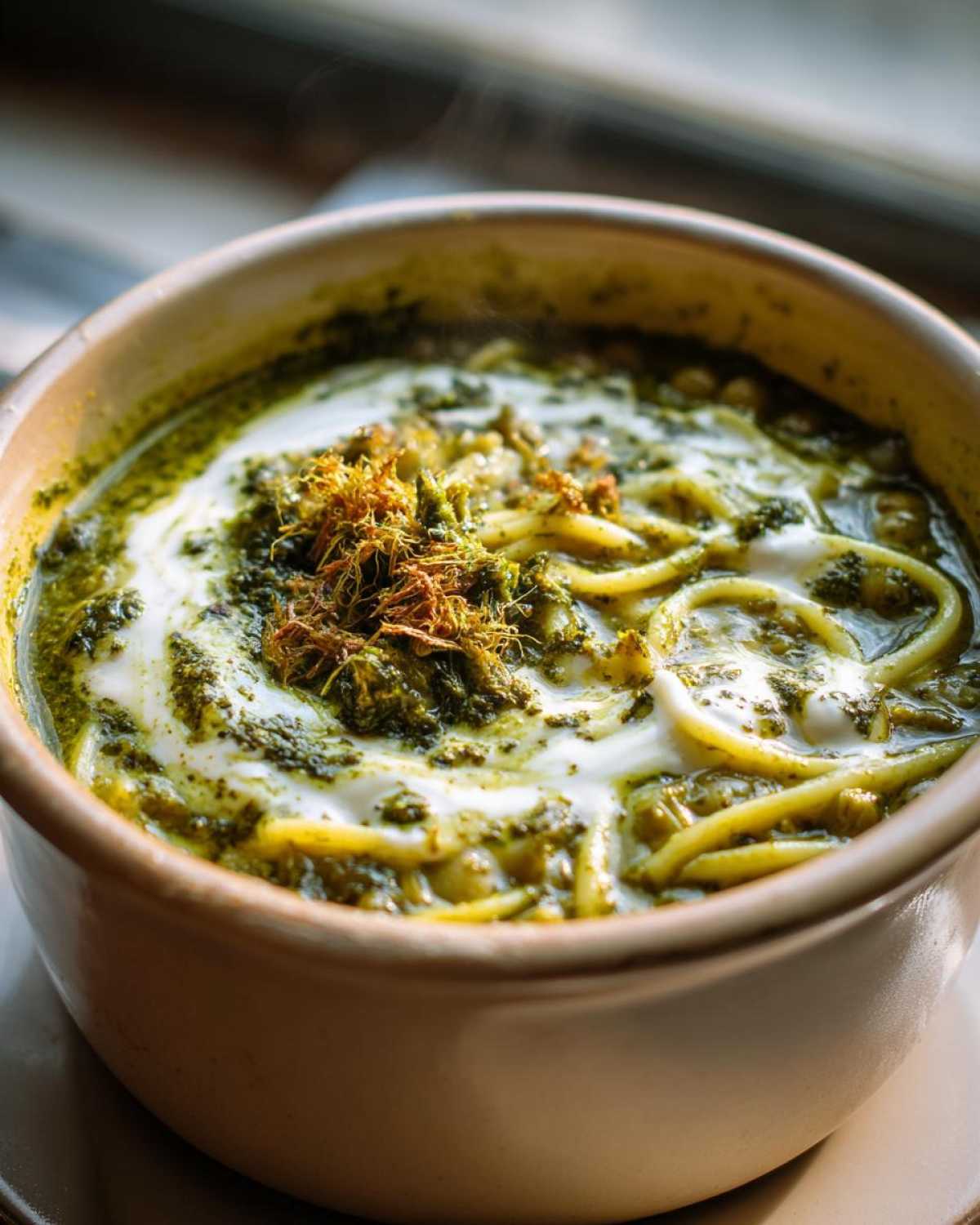
After the herbs have done their magic, it’s time for the main event: the reshteh noodles! Drop them right into the pot. This is the most important stirring moment. You need to stir frequently for the entire 8 to 10 minutes they cook to make sure those noodles don’t glue themselves to the bottom of the pot. As they soften, they release starch, which naturally thickens your **Persian Noodle Soup** into that perfect consistency. Once they are cooked, season it up—and don’t be shy with the salt and pepper!
Tips for Success: Mastering Your Persian Noodle Soup
You’ve made it through the main cooking process, and now you want to make sure your **Persian Noodle Soup** isn’t just *good*, but utterly legendary. I’ve learned a few tricks over the years, especially when perfecting these kinds of ancient, delicious **Savory Herb Dishes**. Getting the texture and the seasoning just right separates a decent soup from the kind of soup people ask for the recipe for every single time!
Achieving the Perfect Thick Consistency
This is a common worry, especially if you’re used to clearer broths. When you add the reshteh noodles during that final simmering stage, they are doing the work for you! They release starch and absorb liquid, turning your soup thick and luxurious. This is the natural way this soup achieves its body. Please resist the urge to add any flour or cornstarch to thicken it up! If you cook the noodles just right, you’ll have that perfect, hearty consistency without tampering with the natural balance of the broth.
My Secret to Deep Flavor in this Traditional Persian Soup
When you are sautéing onions and turmeric, don’t rush that step! That initial frying of the turmeric is crucial, it wakes up the spice and adds the gorgeous golden color. But my real secret for truly great flavor in this **Traditional Persian Soup** comes down to seasoning late. Because the legumes and herbs are simmering for so long, the flavor profile changes, so it needs a final big lift right at the end. Taste, taste, and taste again before serving. I often add a little extra salt and sometimes a splash of fresh lemon juice right before serving, just to brighten everything up. It’s amazing how much flavor a little acidic punch can wake up in a heavy soup like this. If you love fresh herbs in savory dishes, you might also adore my recipe for olive oil bread dip—it uses similar fresh components!
Variations on the Classic Persian Noodle Soup
One of the best things about traditional recipes like Ash Reshteh is how wonderfully adaptable they are. Especially today, we all have different dietary needs, right? I love that this core recipe for **Persian Noodle Soup** can easily accommodate more of us without losing its soul. We want everyone to be able to enjoy this rich, warming dish!
Making This a Vegetarian Persian Soup
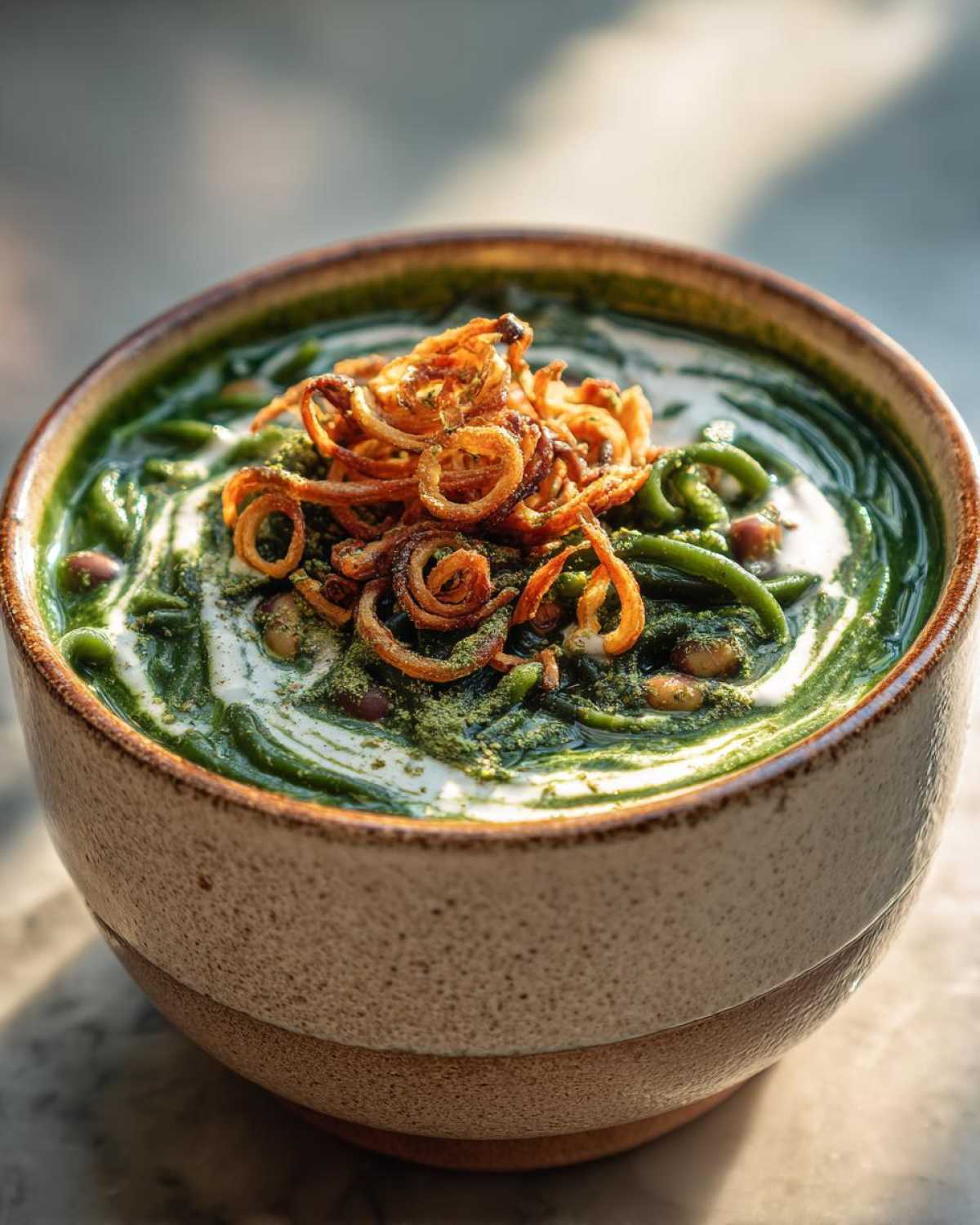
Guess what? If you follow the main recipe using vegetable broth, you’ve already made a fantastic **Vegetarian Persian Soup**! How easy is that? All those legumes, the wonderful array of herbs—it’s naturally protein-packed and meat-free. If you are aiming for fully vegan, just make sure you skip the kashk topping, or substitute it with a thick, plain coconut yogurt blended with a tiny bit of lemon juice to mimic that slight tang. It works splendidly, I promise! For more vegan legume goodness, check out my recipe for easy creamy vegan chickpea soup; it uses similar base flavors.
If You Cannot Find Reshteh Noodles Soup Substitutes
I know, sometimes those specialty noodles are hard to track down, especially if you’re not near a great international market. Don’t let that stop you from making this amazing **Legume and Noodle Soup**! You have simple swaps right in your pantry. If you can find any thin egg noodles, use those! The trick here is size, not specialty. If you’re stuck with only standard pasta, just take long noodles like linguine or spaghetti and break them into small, neat 1-inch pieces before you toss them into the pot. They’ll cook up perfectly fine and give you the body you need.
Serving Suggestions for Your Nourishing Homemade Soup
We’ve cooked this incredible **Nourishing Homemade Soup**, and now it’s time for the grand finale! You can’t just eat Ash Reshteh plain; the toppings are absolutely essential for delivering that authentic “wow” factor for your **Persian Noodle Soup**. Think of it less as a topping and more as the final layer of flavor that pulls everything together. If you’re hosting, this presentation is what makes it feel so special; it reminds me a bit of how important the topping is on a great dish like my sweet potato cornbread!
The Essential Kashk Topping Soup Finish
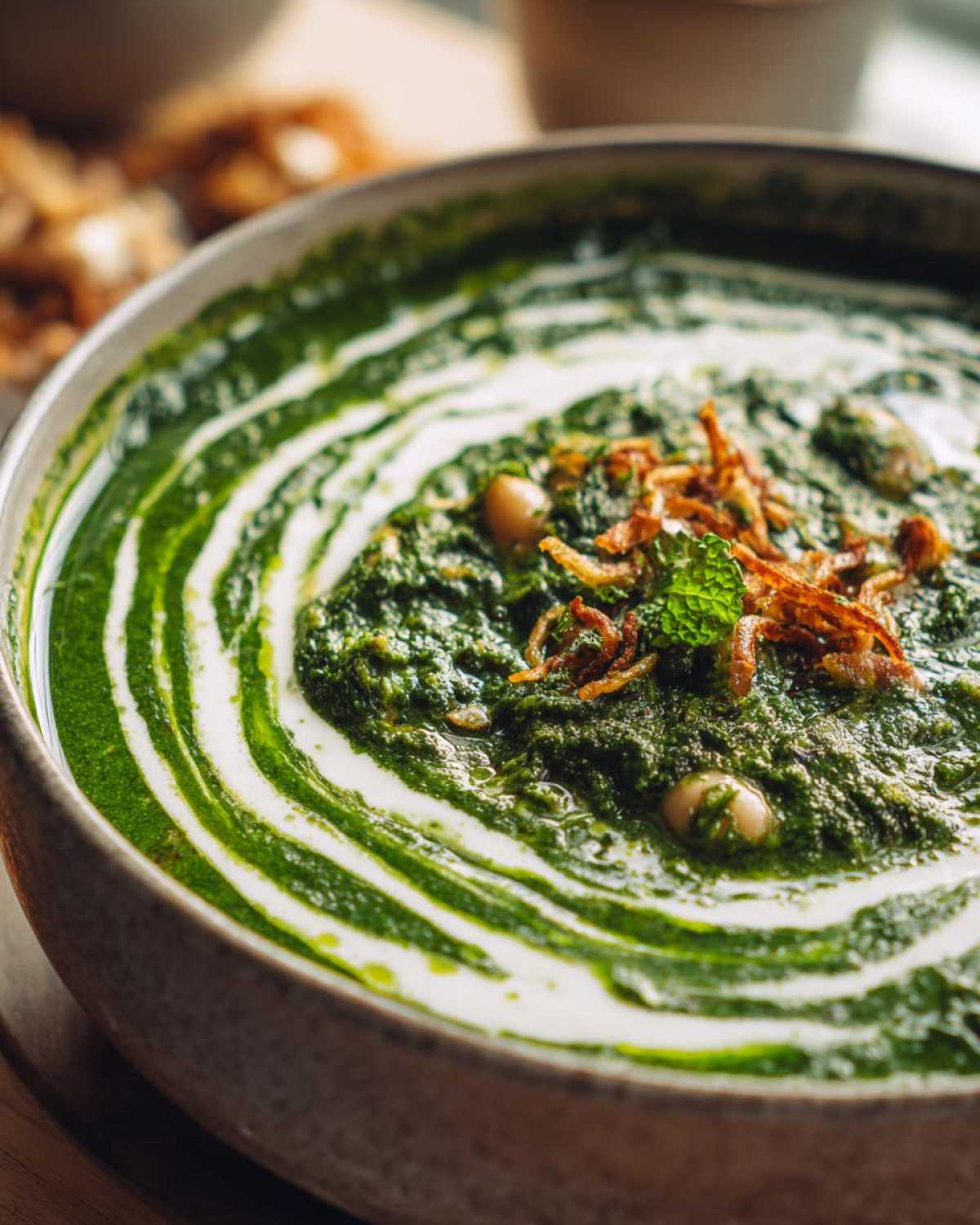
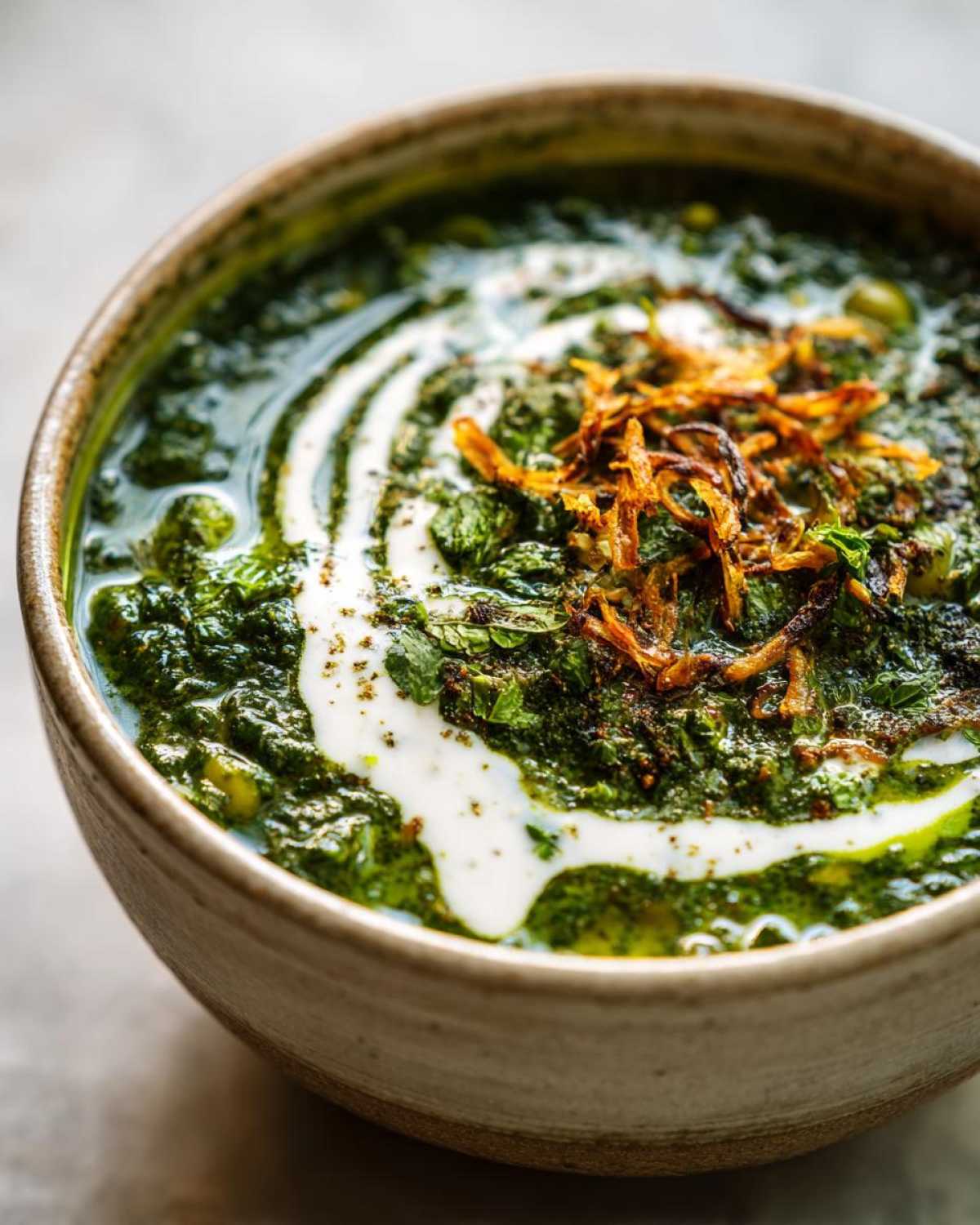
This is the part that makes everyone stop and stare! Remember we talked about kashk, or its stand-in, sour cream? You don’t want to just dollop it on! The traditional visual is gorgeous. Take a spoon, place a generous swirl of kashk right in the center of your bowl—aim for a nice round shape first. Then, we use that drizzle effect! Take a much smaller spoon or even the corner of a butter knife and lightly, gently drag lines across the kashk swirl, radiating outward toward the edge of the bowl. This creates beautiful contrast with the dark soup underneath. Then, we save the best bits—the fried onions and fried mint—to sprinkle right on top of that decorative kashk layer. It looks professional, but it took us about two seconds!
Cultural Context: When to Enjoy Persian Noodle Soup
While this is my favorite **Comforting Winter Soup** and I make it anytime that gray weather hits, it holds very special significance back in Iran. You will often find this made as a wonderful **Nowruz Food Recipe** to celebrate the Persian New Year! It symbolizes abundance and new beginnings because of all those hearty legumes and herbs. But honestly, you don’t need a holiday to deserve this kind of comfort. Whether you’re serving it for your family dinner or using it as a spectacular starter at a gathering, this **Traditional Persian Soup** welcomes everyone to the table.
Storage and Reheating Instructions for Leftover Persian Noodle Soup
Because this **Persian Noodle Soup** is such a hearty meal, you might end up with leftovers—and that is a truly good problem to have! Who doesn’t love the idea of having ready-made comfort food waiting in the fridge? The main thing to watch out for here, just like with most things containing pasta or noodles, is that the reshteh noodles can continue to absorb liquid as they sit. If you don’t handle storage right, you might end up with a thick noodle brick the next day, and we definitely want to avoid that mushy texture!
For refrigeration, the best way to store this is in an airtight container. If you know you have a ton of soup left over, I actually recommend storing the soup base (the broth, herbs, and legumes) separately from the noodles. It sounds like extra work, I know, but it saves the texture beautifully! Cool the soup completely before sealing and popping it in the fridge; it should keep well for about four days. If you made this on a whim and skipped that step—don’t panic! Just add an extra cup of water or broth when reheating. I often do this when reheating big batches, similar to how I revive my chicken broccoli rice casserole after a few days in the fridge.
When it comes to reheating, slow and low is the way to go. Gentle simmering on the stovetop is best; avoid blasting it on high heat, which can make everything break down too fast. Stir gently and add a splash more liquid if it seems too thick. Freezing works well too, but definitely freeze the soup base *without* the noodles added. You can freeze the soup base for up to two months. When you’re ready to eat it, thaw it overnight in the fridge, bring it back to a simmer, cook a fresh batch of reshteh noodles separately, and then mix them into the reheated, flavorful broth right before serving. That way, every bowl tastes exactly as fresh as the first!
Frequently Asked Questions About Ash Reshteh Recipe
I know when you’re tackling a new, authentic recipe like this **Ash Reshteh Recipe**, you always have little questions bubbling up. That’s totally normal! I get asked these all the time, so I put together the most common things people wonder about when making this incredible **Persian Noodle Soup**.
Can I make this Persian Noodle Soup ahead of time?
Yes, you absolutely can, but here’s my pro-tip: the noodles are tricky! If you want the best texture, cook the soup base—all the legumes, broth, and herbs—until it’s done, then let it cool. Keep the soup base separate from the **reshteh noodles soup** component. When you are ready to eat it the next day, reheat the soup base and cook *fresh* noodles right before serving. If you put the noodles in too early, they swell up and can get a little doughy when you reheat them. Trust me, cooking the noodles fresh makes a huge difference to the final texture of this **Nourishing Homemade Soup**!
What is the difference between Ash Reshteh and other Persian Soups?
This is a great question! Many Persian soups, like *Abgoosht* or even simpler vegetable soups, are delicious, but what sets Ash Reshteh apart is right there in the name: Reshteh! The noodles are the defining feature. They add a specific, comforting texture that you just don’t get in other Persian stews or broths. While other Persian soups might focus heavily on meatballs or different types of grains, Ash Reshteh is iconic for its big mix of legumes, tons of fresh herbs, and those delicious slippery noodles. It’s truly a unique **Traditional Persian Soup** because of that noodle element.
Is this recipe naturally vegan, or is it a Vegetarian Persian Soup?
The good news is that my base recipe is beautifully straightforward if you’re looking for a **Vegetarian Persian Soup**! By using vegetable broth, we keep it meat-free and brimming with plant-based goodness from all those legumes. It’s almost vegan at that point! The main ingredient that keeps it vegetarian (but not vegan) is the traditional topping: kashk. Kashk is dairy-based, just like sour cream. However, if you want to make this 100% vegan, you can easily use a thick, unsweetened plain soy or cashew yogurt and mix in a tiny squeeze of lemon to mimic that cultured tang. If you’re looking for more plant-based ideas, you should see my recipe for my Mexican street corn dip—it’s all about making comfort food accessible!
Estimated Nutritional Information for this Persian Noodle Soup
Okay, I know that while this **Persian Noodle Soup** is total comfort food, many of us are keeping an eye on what’s going into our bodies. Since we used a mountain of fresh herbs, tons of fiber-rich legumes, and kept the fat controlled, this is actually a wonderfully nourishing bowl! Remember, food is what brings us together, and knowing the basics helps make healthy choices easier. It’s all about balance, right? Just like how I try to balance out richer dishes like my creamy Parmesan garlic beef bowtie pasta with something lighter!
Please keep in mind that these numbers are my best estimates based on the ingredients listed in the main recipe, particularly using vegetable broth and sour cream instead of true kashk. If you use different brands of dried beans or change the amount of topping, these values will shift slightly. Transparency is key in my kitchen, so take these as a solid guideline rather than an exact nutritional declaration. For more culinary inspiration, you can always check out my boards over on Pinterest if you’re looking for more ideas!
Here’s a breakdown of what you can expect in one hearty serving bowl of this **Ash Reshteh Recipe**:
- Serving Size: 1 bowl
- Calories: 450
- Fat: 12g (10g Unsaturated Fat, 2g Saturated Fat)
- Cholesterol: 5mg
- Sodium: 650mg
- Carbohydrates: 70g
- Fiber: 15g
- Sugar: 6g
- Protein: 20g
See? Tons of protein and fiber from those legumes, which is exactly what makes this such a fantastic **One Pot Persian Meal** and truly a satisfying dinner. Enjoy every single spoonful!
PrintAuthentic Ash Reshteh: Hearty Persian Noodle Soup Recipe
Make this deeply flavorful, traditional Persian Noodle Soup, Ash Reshteh. It is a comforting, one-pot meal packed with fresh herbs, legumes, and soft noodles, perfect for a nourishing dinner any day.
- Prep Time: 30 min
- Cook Time: 1 hour 30 min
- Total Time: 2 hours 0 minutes
- Yield: 6 servings 1x
- Category: Dinner
- Method: Stovetop
- Cuisine: Persian
- Diet: Vegetarian
Ingredients
- 1 cup dried chickpeas, soaked overnight
- 1 cup dried kidney beans, soaked overnight
- 1 cup dried lentils, soaked overnight
- 1 large onion, chopped
- 2 tablespoons vegetable oil
- 1 teaspoon turmeric powder
- 1/2 teaspoon dried mint
- 1/4 cup dried parsley
- 1/4 cup dried dill
- 1/4 cup dried cilantro
- 1/2 cup chopped fresh spinach or leafy greens
- 8 cups vegetable broth or water
- 8 ounces reshteh noodles (Persian noodles)
- Salt and black pepper to taste
- For Topping: 1/2 cup kashk (or sour cream for substitution)
- For Topping: 1/4 cup fried onions (piaz dagh)
- For Topping: 2 tablespoons fried dried mint (nana dagh)
Instructions
- Drain and rinse the soaked chickpeas, beans, and lentils. Place them in a large pot with the vegetable broth or water. Bring to a boil, then reduce heat and simmer until partially tender, about 45 minutes.
- While the legumes cook, prepare the herbs. Finely chop the fresh spinach or greens. Set aside the dried herbs (parsley, dill, cilantro, dried mint).
- In a separate skillet, heat the vegetable oil over medium heat. Add the chopped onion and sauté until soft and translucent, about 5 minutes. Add the turmeric powder and cook for 1 minute until fragrant.
- Add the sautéed onions and turmeric mixture to the large pot with the simmering legumes. Stir well.
- Add the dried herbs (parsley, dill, cilantro, dried mint) to the soup. Continue to simmer for another 20 minutes.
- Add the chopped fresh spinach or greens to the pot. Cook until the greens wilt, about 5 minutes.
- Add the reshteh noodles to the soup. Cook according to package directions, usually about 8-10 minutes, stirring often to prevent sticking. The soup should thicken as the noodles cook.
- Season the Ash Reshteh generously with salt and black pepper. Taste and adjust seasonings as needed. This hearty herb soup needs good seasoning.
- Ladle the Persian Noodle Soup into bowls. Top each serving with a swirl of kashk (or sour cream), a sprinkle of fried onions, and a dash of fried dried mint. Serve immediately.
Notes
- You can prepare this as a Vegetarian Persian Soup by using vegetable broth. For a richer flavor, use chicken broth if you are not strictly vegetarian.
- If you cannot find reshteh noodles, use thin egg noodles or linguine broken into small pieces as a substitute.
- This dish is traditionally eaten during Nowruz (Persian New Year), but it makes a fantastic comforting winter soup any time.
- If you want to see more delicious recipes like this, follow our Pinterest account for more inspiration!
Nutrition
- Serving Size: 1 bowl
- Calories: 450
- Sugar: 6
- Sodium: 650
- Fat: 12
- Saturated Fat: 2
- Unsaturated Fat: 10
- Trans Fat: 0
- Carbohydrates: 70
- Fiber: 15
- Protein: 20
- Cholesterol: 5