
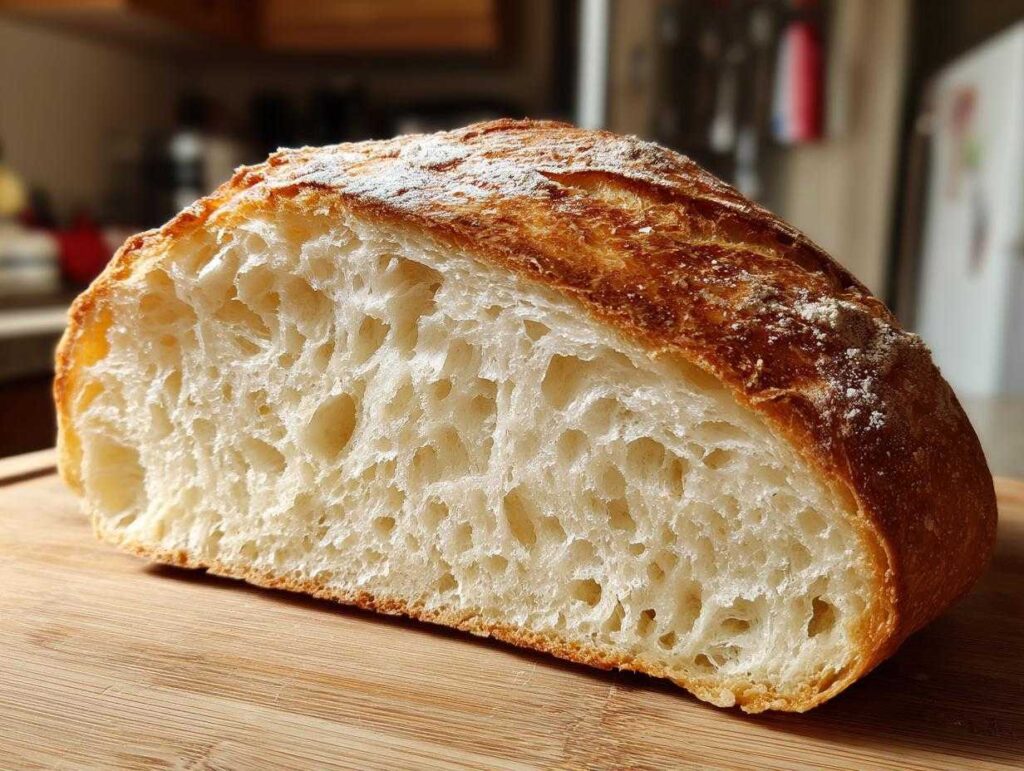
If you think getting that perfect, fluffy, sliceable loaf from sourdough starter is reserved only for the pros, well, I’m here to tell you that I used to think that too! For ages, I just couldn’t crack the code on making a truly soft sourdough sandwich bread that my family would actually eat for lunchboxes. So many recipes sounded great but ended up dense or tough. But trust me, after countless kitchen experiments, I have finally landed on the absolute best, no-fail version that is fluffy, buttery, and totally beginner-friendly. It’s my journey from sourdough struggle-bus to soft-crusted triumph, and I can’t wait for you to bake this loaf!
- Why This Soft Sourdough Sandwich Bread Recipe Works for Beginners
- Essential Ingredients for Your Sourdough Sandwich Bread
- Step-by-Step Guide to Making the Easy Sourdough Sandwich Loaf
- Baking Techniques for the Best Sourdough Sandwich Recipe
- Making Your Sourdough Sandwich Bread Gut Healthy Sourdough Bread
- Tips for Perfecting Your Homemade Sourdough Sandwich Loaf
- Serving Suggestions for Your Buttery Crumb Sourdough
- Storage and Reheating Instructions for Sourdough Sandwich Bread
- Frequently Asked Questions About This Sourdough Sandwich Bread Recipe
- Share Your Beautiful Sourdough Loaf
Why This Soft Sourdough Sandwich Bread Recipe Works for Beginners
I designed this recipe specifically so you don’t have to be a sourdough expert to get amazing results. We target the three big things everyone wants: softness, that perfect slice, and simple steps. This makes it the ultimate beginner sourdough sandwich loaf!
- It’s incredibly soft and doesn’t tear when you try to butter it.
- The loaf comes out square and tall, perfect for sandwiches—no hockey pucks here!
- The instructions are crystal clear, especially around the timing.
Achieving the Fluffy Sourdough Bread Crumb
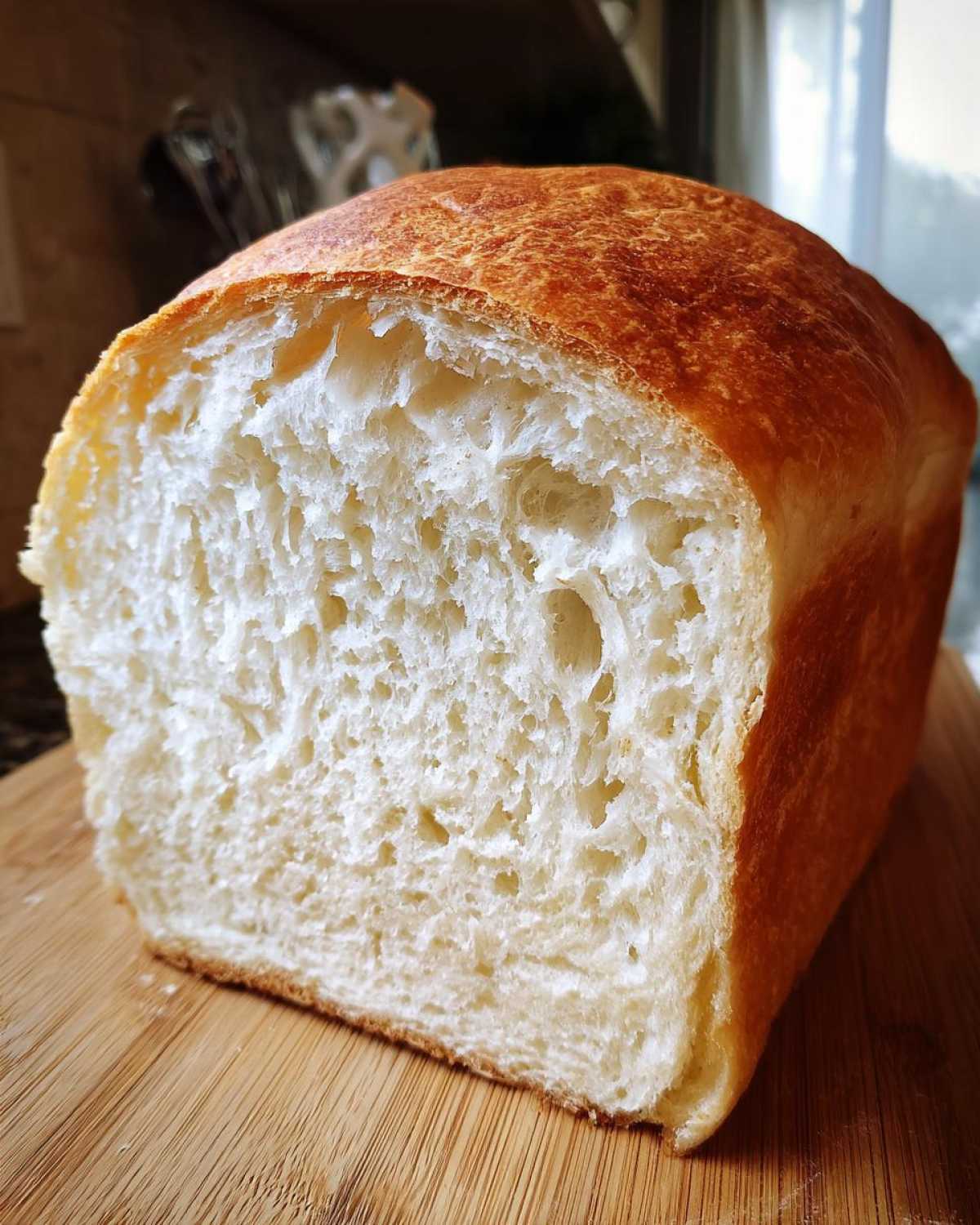
The secret to that light, fluffy texture isn’t just the flour; it’s what we add! That tiny bit of avocado oil and the honey we include act like little cushions in the dough structure. They keep the interior moist and tender, which is something you often miss in rustic sourdough loaves.
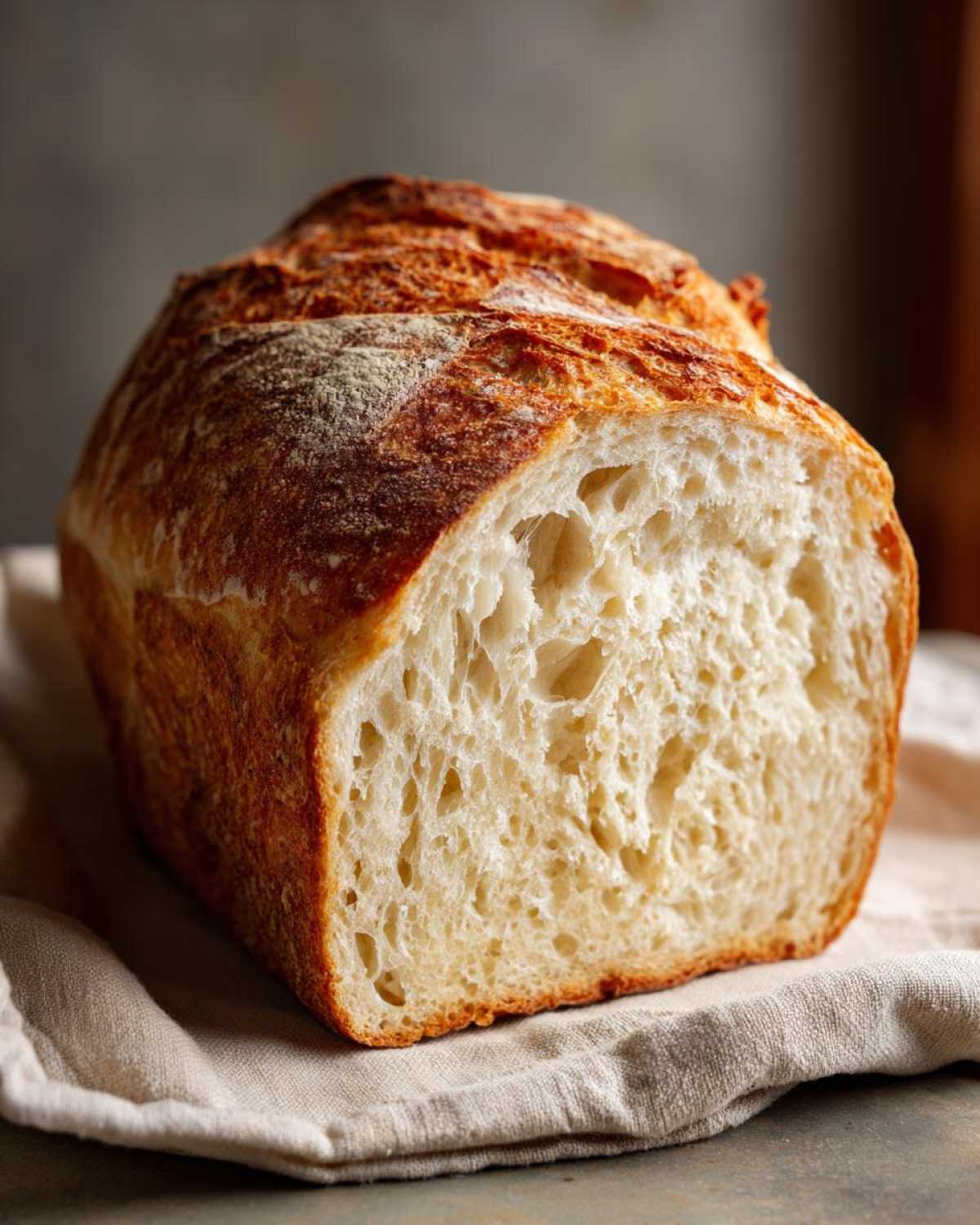
Tips for a No-Fail Sourdough Sandwich Bread
I’ve written out every single instruction, down to the resting times, because I know that timing is where most beginner bakers get tripped up. Don’t worry if your kitchen is cold; I tell you exactly what visual cues to look for, so you won’t end up with a dense brick!
Essential Ingredients for Your Sourdough Sandwich Bread
Okay, for this soft sourdough bread recipe, we use a very specific lineup to guarantee that buttery crumb we all dream about. We aren’t using a huge amount of ingredients, which means the quality really matters! I want you to see everything laid out so you know exactly what to gather before you start mixing. It’s simple stuff, but precision is key when we strive for that perfect homemade sourdough sandwich.
- 150g active sourdough starter (This needs to be happy and ready!)
- 325g warm filtered water
- 20g avocado oil (Or any light, neutral oil works well!)
- 25g honey
- 500g unbleached bread flour
- 10g salt
Ingredient Notes and Substitutions for Soft Sourdough Bread Recipe
Look, your starter is the heart of this whole loaf. If you are using this recipe for the first time, make absolutely sure your 150g of active sourdough starter has been fed recently, it should have doubled, and be full of bubbles—you want peak activity for the best rise! Don’t skip the honey either; it helps keep the crumb soft and gives the crust a lovely, golden color while it bakes.
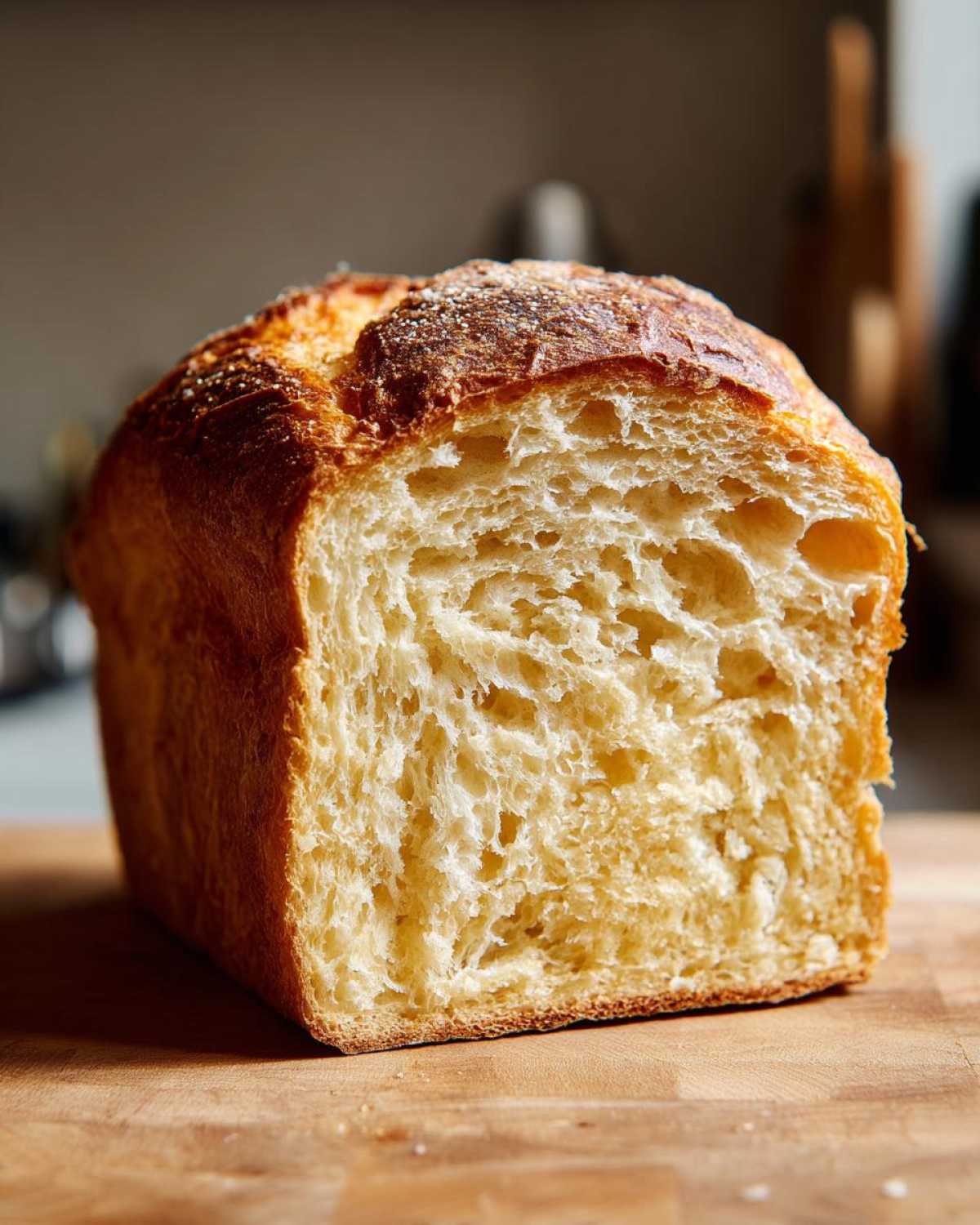
If you ever have leftover ends, you can toss them into cubes and make amazing croutons using this sourdough croutons recipe!
Step-by-Step Guide to Making the Easy Sourdough Sandwich Loaf
Now for the fun part! We’re going to mix this dough up, and I promise you, the process is smoother than you think. Following these steps exactly is how we guarantee that sourdough sandwich bread comes out fluffy, not hard. Don’t get stressed about the timing—just watch the dough!
Mixing and Autolyse for the Sourdough Sandwich Loaf
First things first, grab a big mixing bowl. We start by gently mixing the active starter, the warm water, the oil, and the honey until it looks a little milky and things are dissolved. Think of this as waking up your starter! Next, dump in your bread flour and salt. Mix it with a wooden spoon or your hand until everything is just incorporated. It won’t look pretty—it’ll be rough and shaggy, almost like thick oatmeal, but stop mixing as soon as there are no dry flour pockets left.
Cover that bowl up now and let it rest for a full hour. This rest time is key; it lets the flour fully absorb the water before we start working it, which is a huge benefit for beginners!
Developing Strength with Stretch and Folds
After that hour, we start building strength with stretches and folds. This is how we develop gluten without needing to knead aggressively. For the next two hours, you’ll do this four times, spaced 30 minutes apart. Wet your hands slightly—this stops major sticking! Gently reach under one edge of the dough, stretch it up until you feel light resistance, and gently fold that section over the top to the opposite side. Rotate the bowl and repeat for the other three sides. That’s one set!
Once you’ve done all four sets of folds, let the dough sit alone to finish its bulk fermentation. It usually takes about 4 to 8 extra hours, but watch the dough, not the clock! You want it to look about 30-50% bigger and maybe have a few bubbles peeking through. If you want to see another great simple bread technique after you master this, check out my easy skillet homemade naan bread recipe!
Shaping and Proofing the Sourdough Sandwich Bread
Once your bulk ferment is done, gently coax the dough out onto a lightly floured counter. Be gentle here! Shape it into a nice tight log and carefully place it into your well-greased 9×5 inch loaf pan. Make sure that seam side is down against the bottom of the pan!
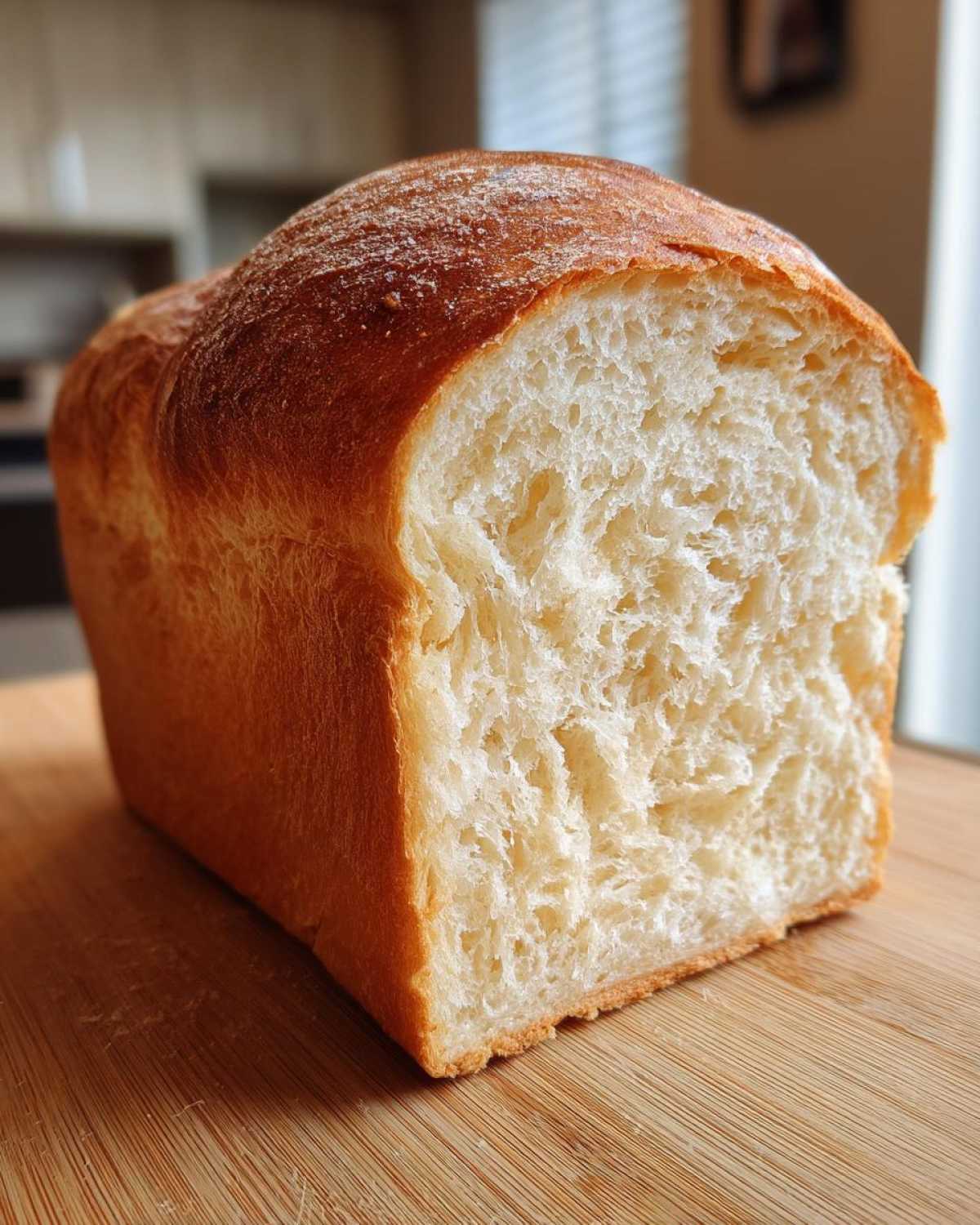
Cover the whole thing up with plastic wrap or a damp towel. Now comes the final proofing, which takes about 1 to 3 hours at room temperature. How do you know it’s ready? Look for the dough to rise about one inch above the rim of the pan. If it’s already at the rim, you risk it collapsing in the oven, so keep an eye on it!
Baking Techniques for the Best Sourdough Sandwich Recipe
We’re almost there! Once your dough has that beautiful dome over the top of the pan, it’s time to bake your sourdough sandwich bread. Preheat that oven to 375°F (190°C) really well. We bake this for about 35 to 45 minutes. But listen, don’t just trust the clock! The real secret to knowing it’s done—especially for that perfect slice—is using a thermometer.
Pull the loaf out and stick your instant-read thermometer right into the center. You’re looking for an internal temperature of 205°F (96°C). If you hit that number, you have developed enough structure for a perfect bake. This ensures you get that desirable, non-gummy slice!
The Critical Cooling Process for Sliceable Sourdough
When it comes out golden brown, you need to—and this is hard—get it out of the pan immediately! Let it cool on a wire rack. If you leave it in the pan for even ten minutes, the trapped steam will turn the bottom crust soggy, and the inside might get a little gummy. We need this bread to be totally cool, which might take two or three hours, before you try slicing it. Patience here is the final hurdle for making unbelievably sliceable sourdough!
Making Your Sourdough Sandwich Bread Gut Healthy Sourdough Bread
One of the biggest reasons I love working almost exclusively with wild yeast is the health factor, though nobody ever talks about it enough! This amazing sourdough sandwich bread gets even better for your gut when you give the yeast and bacteria extra time to work their magic. If you want a truly gut healthy sourdough bread, don’t skip a long, cold fermentation in the fridge overnight.
That extra time breaks down the wheat components, making the loaf easier to digest for a lot of people. It’s the simplest change in the world, and you get all the flavor and digestibility benefits!
Tips for Perfecting Your Homemade Sourdough Sandwich Loaf
Phew! You’ve baked the loaf, but maybe next time you want it flatter, or maybe it was a disaster and you need help! That is totally okay. Learning easy sourdough bread baking is all about learning from every loaf. These little tips make a huge difference when you’re moving from following a recipe to actually *baking*!
If you ever need fresh, easy ideas for what to eat on your perfect loaf—besides the usual—I highly recommend checking out my easy Mediterranean lentil salad recipe; that goes surprisingly well with a slice of this bread!
Troubleshooting Common Sourdough Sandwich Bread Issues
What if your dough just sat there during bulk fermentation and barely grew? Don’t panic and don’t throw it out! If your kitchen is chilly, your starter just might be moving slow. The trick is not to force it to speed up, but rather to be patient. If you suspect it’s sluggish, let it sit for an extra hour or two—or even move it near a pilot light or the top of your oven (when the oven is off!) to give it a tiny bit of warmth. A slow bulk ferment is almost always better than an over-proofed one for sandwich loaves.
Serving Suggestions for Your Buttery Crumb Sourdough
Seriously, now that you have this stunning, soft sourdough sandwich bread, what are you going to do with it? Well, obviously, you make the best homemade sandwiches ever. But this loaf is so good, it shines outside of just lunch duty, too!
It makes incredible French toast—the texture holds up beautifully to that custardy soak. I even use thick slices for grilled cheese when the kids want something special. If you’re looking for an amazing use for those thick slices, you absolutely have to try my cinnamon roll French toast recipe for a weekend brunch!
Storage and Reheating Instructions for Sourdough Sandwich Bread
So you’ve finished your beautiful loaf of sourdough sandwich bread—hooray! Now we need to keep it glorious. Because we used that little bit of oil and honey, this loaf stays softer than a typical artisan sourdough slice, but it still needs a little care. If you have leftovers after the first day, don’t just toss them in a paper bag!
For maximum freshness, I always wrap the cooled loaf tightly in plastic wrap first, and then slide that whole thing into a zip-top bag. This traps the moisture we worked so hard to build in. Stored on the counter, it stays nicely soft for about three days. After that, it’s still perfectly usable, but it will start to firm up.
If you know you won’t finish it quickly, you can definitely freeze it! Slice the entire loaf first—this is crucial, trust me—then stack the slices with parchment paper in between. Wrap the whole stack tightly in foil, then put it in a freezer bag. It lasts beautifully for up to three months.
When you want a slice later, just pop the frozen piece straight into the toaster or under the broiler for a minute or two. It comes back almost perfectly fresh! You can also briefly wet the crust of an entire cooled loaf with a little water and pop it directly into a 350-degree oven for about 10 minutes if you want to refresh the whole thing for toast.
Frequently Asked Questions About This Sourdough Sandwich Bread Recipe
I always get so many questions after people bake this loaf for the first time! Honestly, the more questions you have, the better off you are, because it means you’re paying attention to the details that create that fluffy sourdough bread. Let’s clear up a few things that always come up when making this sourdough sandwich bread recipe!
Can I use All-Purpose flour instead of Bread Flour for this sourdough sandwich bread?
You absolutely *can*, but I really don’t recommend it if your main goal is that soft, fluffy crumb. Bread flour has higher protein content, which means it develops stronger gluten strands. These strong strands are what give the bread that springy texture needed for a great sandwich slice. If you use AP flour, your loaf will likely turn out a bit softer, yes, but it might also be denser and struggle to hold its shape as well during the final rise.
What temperature should my starter be for the best results?
This is huge! For this easy sourdough sandwich loaf recipe, you want your active, bubbly starter to be hovering right around 72°F to 78°F (that’s 22°C to 25°C) when you mix it in. If your starter is coming straight out of the fridge (cold), it will really slow down your bulk fermentation time, and that can lead to under-proofed bread. If you need to warm it up, just mix it with your recipe water and let it sit on the counter for about an hour before adding the flour!
And hey, once you’ve mastered this, you can try my spiced sourdough pumpkin bread recipe for the holidays! If you want to see what else I’m baking up, feel free to follow my recipe ideas over on my Pinterest page, which I call Recipes Vault.
Share Your Beautiful Sourdough Loaf
Wow, I hope you are looking at a gorgeous, golden loaf right now! Pulling that first perfect slice of sourdough sandwich bread out of the pan is seriously the best feeling. I truly want to see what you created in your kitchen!
If this recipe worked its magic for you and you got that super soft, fluffy texture you were looking for, please drop a comment down below and let me know! A star rating really helps other bakers feel confident trying this easy sourdough sandwich loaf out, too. I read every single comment, and nothing makes me happier than hearing about your success!
If you want to see what other recipes—from breakfast to dinner—I’m experimenting with, come hang out with me over on Pinterest! You can follow all my kitchen happenings and culinary inspirations by looking up my Pinterest account, Recipes Vault. Happy baking, everyone!
PrintThe Best Soft Sourdough Sandwich Bread for Beginners
Bake a soft, fluffy, and sliceable sourdough sandwich loaf that is perfect for daily use, even if you are new to sourdough baking. This recipe focuses on achieving a buttery crumb.
- Prep Time: 30 min
- Cook Time: 45 min
- Total Time: 5 hours 55 min
- Yield: 1 loaf 1x
- Category: Baking
- Method: Baking
- Cuisine: American
- Diet: Vegetarian
Ingredients
- 150g active sourdough starter
- 325g warm filtered water
- 20g avocado oil
- 25g honey
- 500g unbleached bread flour
- 10g salt
Instructions
- Combine starter, water, oil, and honey in a large bowl. Mix until the liquid looks milky.
- Add the flour and salt to the wet ingredients. Mix until just combined into a shaggy dough. Cover the bowl and let it rest for 1 hour.
- Perform four sets of stretch and folds, spaced 30 minutes apart. Gently stretch a portion of the dough up and fold it over the center, repeating for all four sides.
- After the final set of folds, cover the dough and allow it to bulk ferment for an additional 4 to 8 hours, or until it has increased in volume by about 30-50% and shows signs of activity. The exact time depends on your kitchen temperature.
- Gently shape the dough into a loaf and place it seam-side up into a greased 9×5 inch loaf pan.
- Cover the pan and allow the dough to proof at room temperature for 1 to 3 hours, or until it has risen about 1 inch above the rim of the pan.
- Preheat your oven to 375°F (190°C).
- Bake the loaf for 35 to 45 minutes, or until the crust is golden brown and the internal temperature reaches 205°F (96°C).
- Remove the bread from the pan immediately after baking and cool completely on a wire rack before slicing. This step is key for sliceability.
Notes
- For a gut healthy sourdough bread, extend the bulk fermentation time and allow for a long, cold proof in the refrigerator overnight.
- If you are interested in meal planning for your new bread, look into the best meal delivery services for inspiration.
- This soft loaf is great for making grilled cheese or French toast.
Nutrition
- Serving Size: 1 slice
- Calories: 250
- Sugar: 1.5
- Sodium: 200
- Fat: 3
- Saturated Fat: 0.5
- Unsaturated Fat: 2.5
- Trans Fat: 0
- Carbohydrates: 50
- Fiber: 2
- Protein: 8
- Cholesterol: 0