
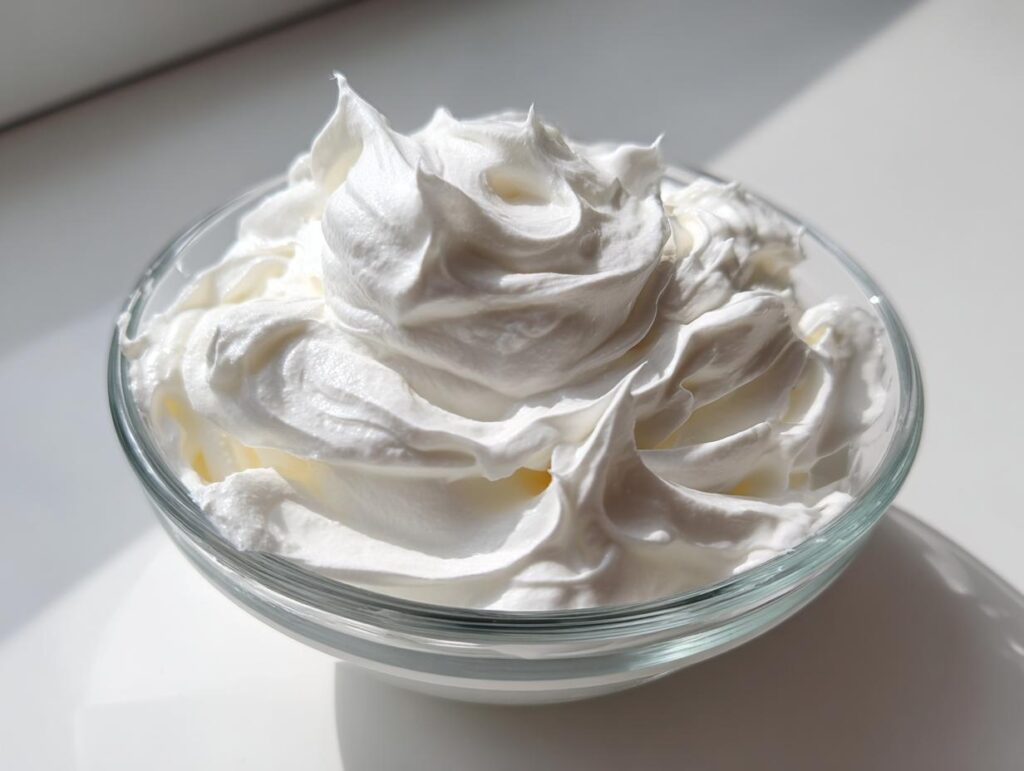
Oh, how I love getting those cookies just right! There’s nothing sadder than spending hours decorating beautiful cutouts only to have your icing turn weepy or slide right off. I spent years chasing that perfect, shiny finish until I perfected this **royal icing recipe**. When I first started baking seriously, I was terrified of raw eggs in frosting, but once I switched permanently to meringue powder, everything smoothed out—literally! Trust me when I tell you this is shaping up to be the Best Foolproof royal icing recipe you’ll ever use, especially when you need that reliable hold for intricate designs.
- Why This Royal Icing Recipe is Your New Go-To for Cookie Decorating Icing
- Gathering Ingredients for the Perfect Royal Icing Recipe
- Step-by-Step Instructions: How to Make Royal Icing
- Expert Royal Icing Tips and Tricks for a Perfect Hardening Icing Recipe
- Customizing Your Royal Icing Recipe: Coloring and Flavoring
- Storage and Shelf Life for Your Easy Royal Icing
- Troubleshooting Common Cookie Decorating Icing Issues
- Frequently Asked Questions About This Royal Icing Recipe
- Beyond Cookies: Other Ways to Use This Royal Icing Recipe
Why This Royal Icing Recipe is Your New Go-To for Cookie Decorating Icing
If you’ve steered clear of royal icing because it sounds too intimidating or messy, I promise this formula will change your mind! This isn’t just any icing; this is the ultimate Icing for Decorated Cookies that dries beautifully firm. Unlike recipes loaded with raw egg whites, using meringue powder makes this an incredibly stable and safe Beginner Royal Icing. It’s my absolute favorite for keeping things simple without sacrificing that professional look.
I love that I can trust this batch to hold up, even when I’m piping tiny details or when the humidity is fighting me. Plus, you can see that fabulous shine right after mixing! If you are looking for serious results, you need a recipe that works every single time. Check out how other bakers are loving this reliable mix over at EASY Royal Icing Recipe for Beginners for more inspiration.
Key Benefits of Our Meringue Powder Royal Icing
- It dries incredibly hard, making stacked cookies or packaged gifts a breeze!
- You get that highly desirable, supremely Glossy Cookie Icing finish without any fuss.
- The meringue powder makes it so stable—no worrying about freshness like you would with unpasteurized egg whites.
- It’s the perfect base for creating intricate designs or mastering your first royal icing patterns like the ones I used for decorated Easter cookies!
Gathering Ingredients for the Perfect Royal Icing Recipe
Okay, let’s get down to business! The beauty of this Royal Icing Recipe is that it uses simple pantry staples, but precision really matters here. We are aiming for that super smooth, glossy finish, so don’t eyeball the measurements! You need exactly four cups of confectioners’ sugar—and yes, you absolutely must sift it first. Trust me, sifting removes the tiniest lumps before they become giant problems later. We also use warm water to help the meringue powder activate just right.
The secret weapon that makes this my favorite Hardening Icing Recipe is the cream of tartar. It’s small, but it stops the sugar from crystallizing on you, keeping everything wonderfully smooth.
Ingredient Notes and Substitutions
Why meringue powder? Well, for starters, it makes this a No Egg White Royal Icing, which means way less stress about food safety and storage—huge win! It gives the same structure but it’s so much more stable. Also, if you are trying to keep your icing pure white, use clear vanilla extract instead of the regular kind. Standard vanilla extract is brown, and while a tiny bit won’t hurt, clear is better if you plan on making vibrant colors or keeping it snowy white.
Step-by-Step Instructions: How to Make Royal Icing
Alright, this is the fun part where our dry ingredients meet our wet ingredients! First things first: grab your stand mixer or a decent hand mixer. When you dump the dry stuff (sugar, powder, tartar) into the bowl and then add your liquid—the water and the clear vanilla—you have to be careful. If you crank the speed up immediately, you’ll get a giant white cloud floating through your kitchen! Trust me, I learned that the hard way one morning trying to rush my decorating, and I ended up having to wipe down everything around the mixer, and I almost gave up on making easy homemade focaccia bread that same day because I was so frustrated!
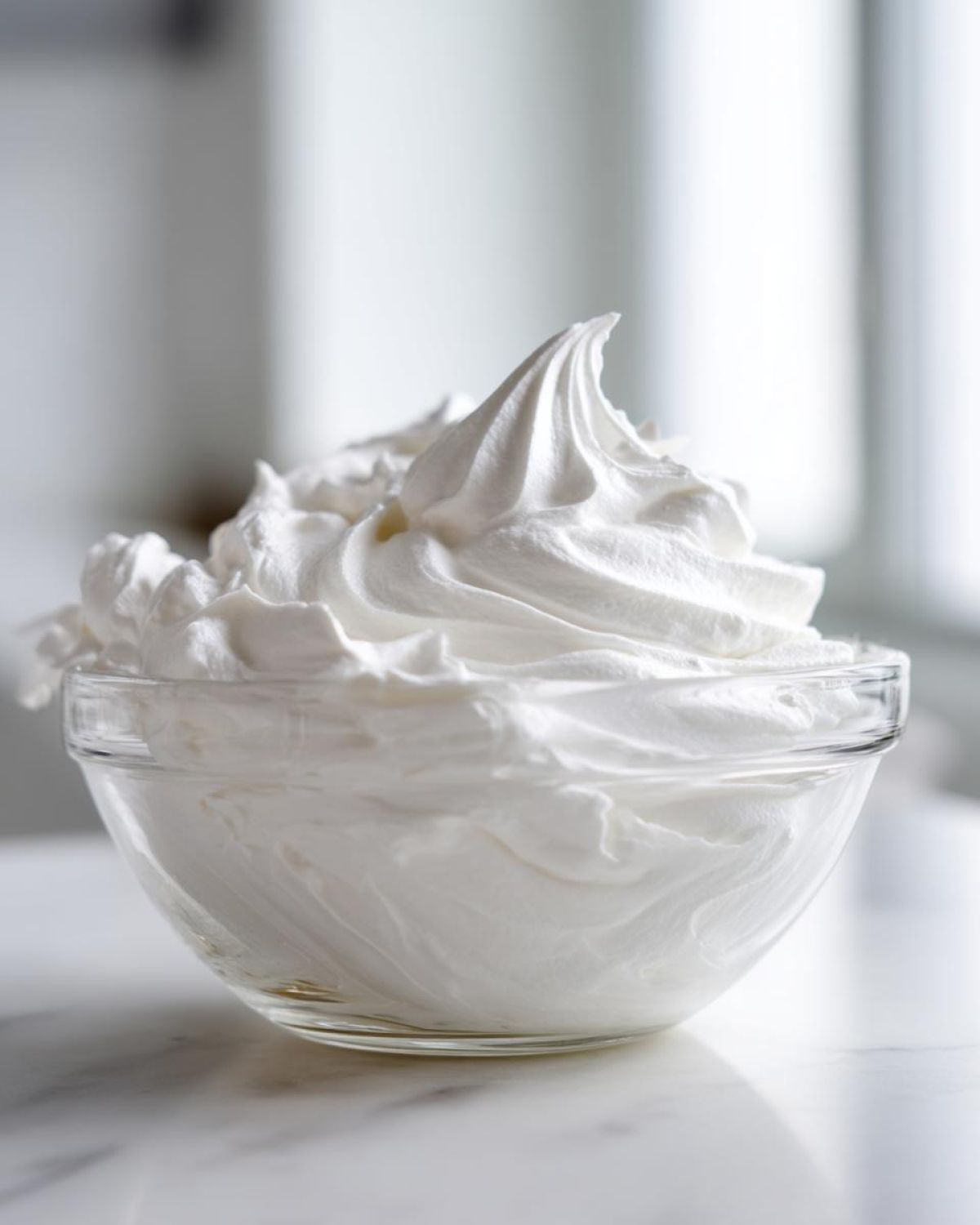
Start on the absolute lowest speed just to bring everything together. Scrape down the sides of the bowl once it looks like damp sand. Then, the magic starts! Crank that mixer up to medium-high. This recipe really sings when you beat it for a good 5 to 7 minutes straight. I always beat mine for the full 7 minutes to get that perfect sheen—it takes time to whip the air in there and get that beautiful, glossy texture. You want it thick enough to look like it barely moves in the bowl.
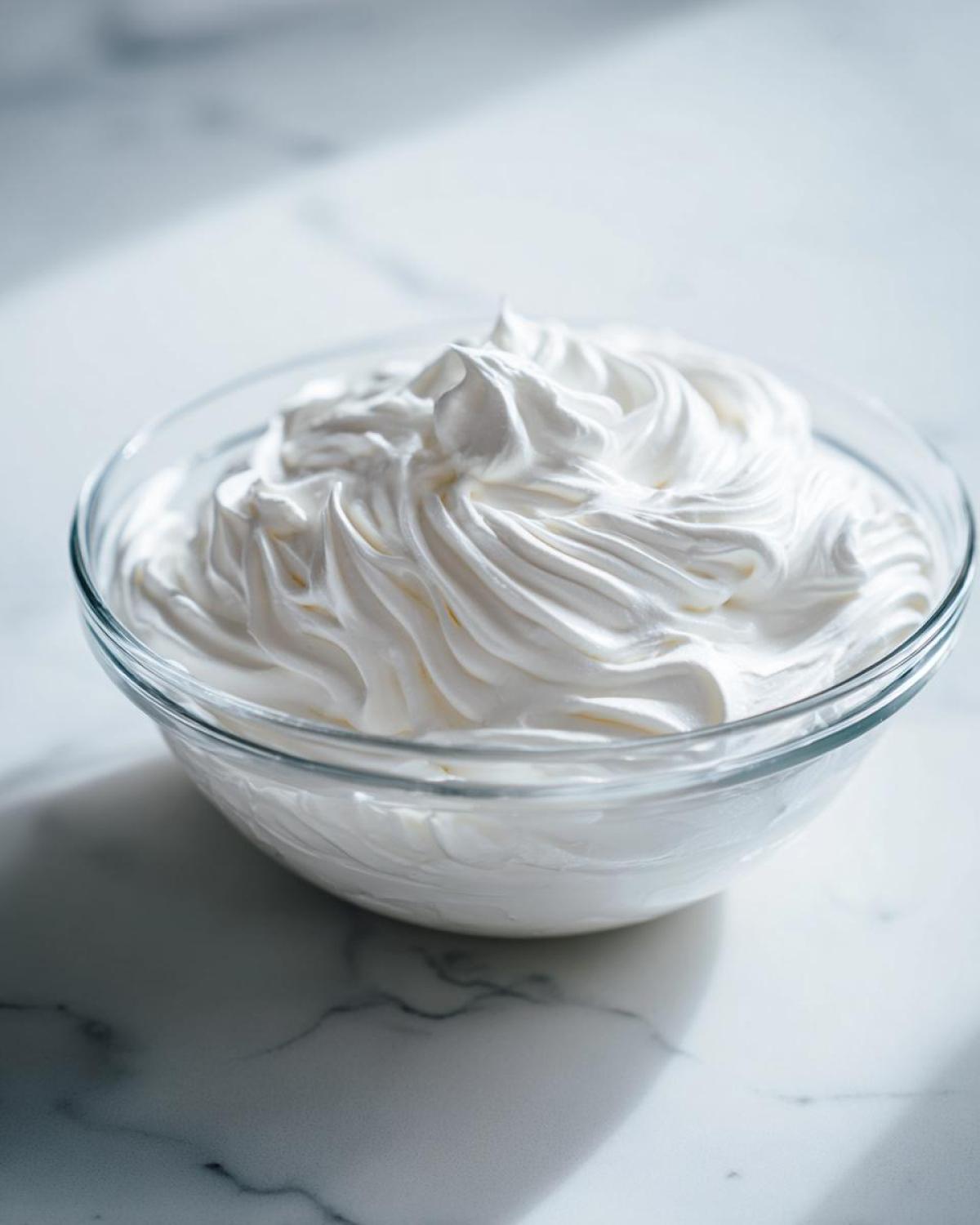
Remember, this initial thick batch is your master consistency! You can’t really thicken it up again easily once it starts setting, so it’s smart to only make the thick batch now. You can always thin it down later, but you can’t un-thin it! If you haven’t already, check out some fun decorating inspiration over on the Recipes Vault Pinterest page while you’re waiting for the mixer to do its work!
Achieving the Right Piping Icing Consistency
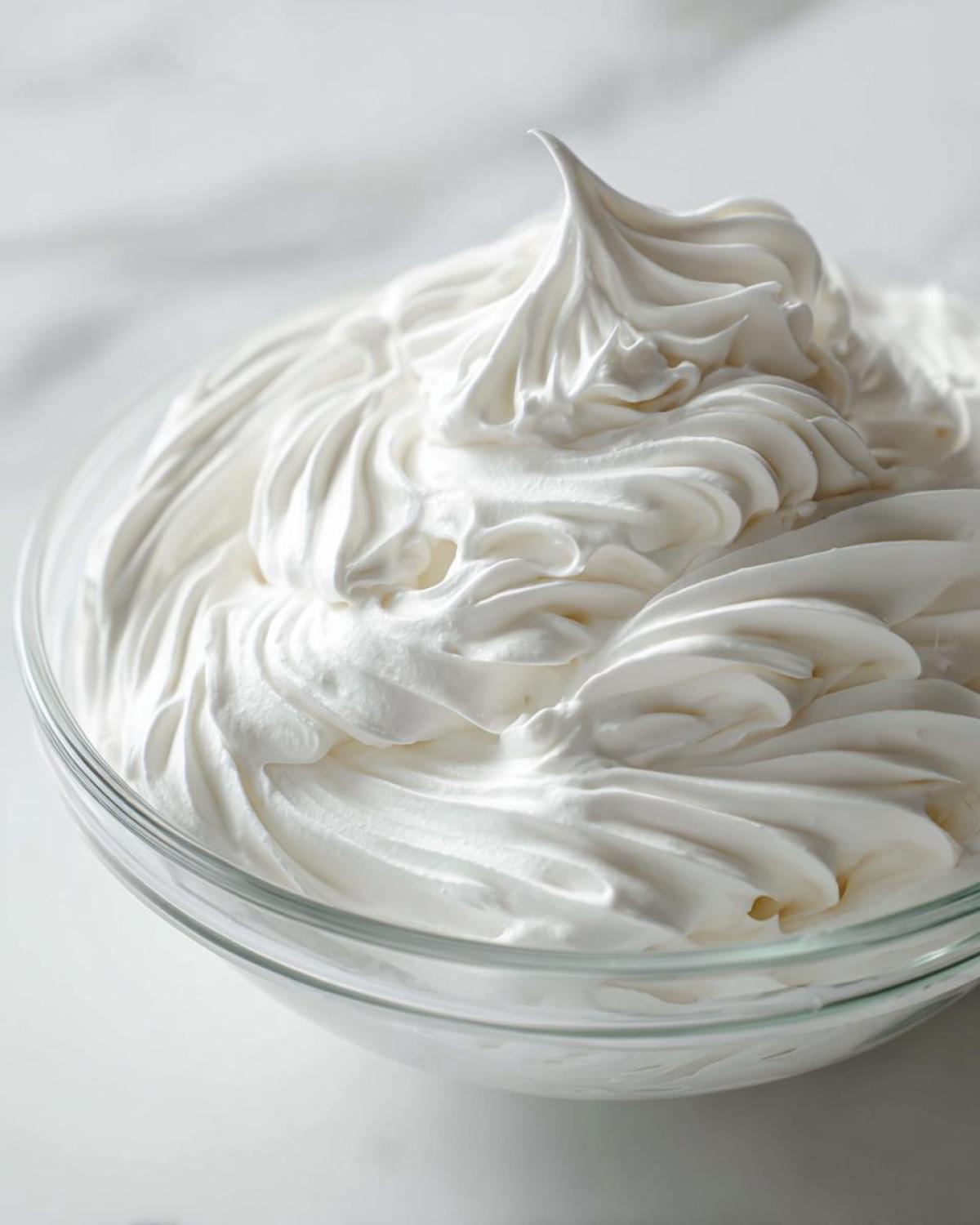
That thick icing we just mixed? That’s pretty much your outlining consistency right there. For piping gorgeous borders or writing names on those sugar cookies, you want it stiff. It should hold its shape the second you pipe a line, not slump over or spread out. If it’s too stiff to come out of the tip, slowly add water—literally one teaspoon at a time—and mix well after each addition until it just barely starts to loosen up. That stiffness is key to keeping your lines crisp!
Thinning for Flood Consistency Icing
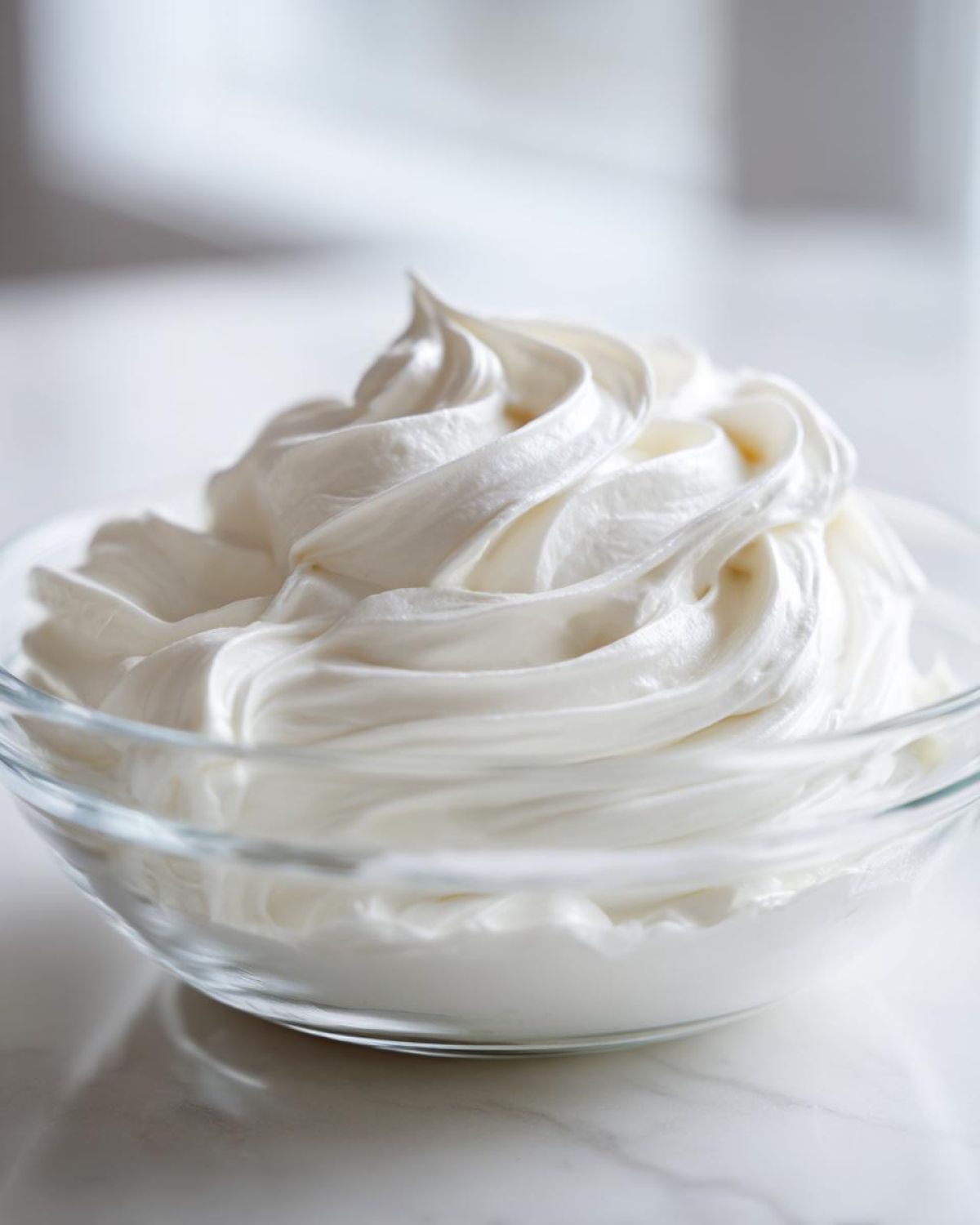
Now, if you want to fill in those outlines—the flooding part—you need thinner icing. Take a small portion of your stiff icing and start adding water, again, just a teaspoon at a time. You’re looking for the famous 10 to 15-second rule. How does that work? You take a spoon, drizzle a line across the surface of the icing in the bowl, and then start your timer. If that line disappears and smooths back into itself in about 10 to 15 seconds, bam! You have perfect Flood Consistency Icing. That’s much thinner than your piping icing, so be gentle with the water!
Expert Royal Icing Tips and Tricks for a Perfect Hardening Icing Recipe
Mastering this Hardening Icing Recipe isn’t just about the mixing; it’s about managing your environment! Humidity is our biggest enemy, honestly. If it’s a rainy day, you might find you need just a drop or two more water to get your desired consistency. Conversely, if the air is dry, your icing might start setting up in the bowl faster than you like.
My biggest trick for any Cookie Decorating Icing is covering the bowl with plastic wrap and pressing that wrap directly onto the surface of the icing. This keeps air from hitting the top layer, which is what causes that awful crust. If you notice it stiffening up while you’re taking a break, just stir in a few tiny drops of water until it loosens up again.
When it comes time to color your icing, please, please, please use gel food coloring. Liquid coloring is mostly water, and adding too much water will completely throw off the consistency we worked so hard to achieve today! A tiny toothpick dip of gel coloring gives you intense color without ruining the texture. Speaking of texture, if you want those picture-perfect cookies that hold their shape, make sure you check out my notes on Perfect Sugar Cookies That Hold Their Shape—the cookie and the icing have to work as a team!
If you are curious about other expert methods, Chef Yoyo has a great breakdown on stabilizing icing here!
Customizing Your Royal Icing Recipe: Coloring and Flavoring
So, you’ve got your perfect, glossy base icing—the ideal canvas! Now, you get to play with colors and flavors. This is totally my favorite part where things go from functional to show-stopping. When it comes to coloring, you absolutely have to stick with gel food coloring. If you reach for those liquid bottles you keep in the fridge, you’ll end up watering down your beautiful consistency. I learned that lesson early when I was trying to make a batch of bright purple icing; it ended up being a runny mess that flooded everywhere!
Gel colors are super concentrated, so you only need the tiniest dab on the end of a toothpick. Mix it in thoroughly, ensuring you scrape the bottom of the bowl, until you get that vibrant hue you’re looking for. If you’re aiming for a pure, snow-white look for a very elegant design, this is where using that clear vanilla extract pays off big time, helping you nail that pristine White Royal Icing Recipe base.
Flavoring is another simple switch that makes a difference. My recipe calls for clear vanilla, which keeps the color pure, but you can easily swap that out depending on what you are decorating!
- Swap clear vanilla for almond extract! Almond pairs magically with sugar cookies, giving it a hint of that classic, nostalgic bakery flavor.
- If you’re making something seasonal, like decorating coconut cream pie cookie cups, try a tiny bit of lemon or orange extract, but remember, extracts are potent, so start small!
- For subtle flavor, you can even add a teeny bit of espresso powder when you mix the dry ingredients—it adds depth without changing the color much.
Storage and Shelf Life for Your Easy Royal Icing
Okay, you’ve got the perfect consistency, and now you need to keep it that way until you’re ready to decorate! This is where so many people mess up their next baking session. If you leave your bowl uncovered for even five minutes, you’re going to wake up to a hard, cracked shell sitting on top of your beautiful, soft icing. It’s the worst!
The trick I swear by, and what my grandmother taught me about keeping any spreadable mixture successful, is pressing the covering tight against the icing surface. Don’t just lay a sheet of plastic wrap over the top of the bowl; you need to push that wrap down until it physically touches the icing everywhere. This prevents air from circulating and creating that crust we hate so much.
I often use a small piece of cling film just for that purpose, and I keep it snug inside the main covering. Because this Easy Royal Icing recipe uses meringue powder instead of fresh eggs, it’s shockingly stable outside of the fridge. You can absolutely keep sealed icing out on your counter at room temperature for up to two weeks! Isn’t that amazing? You can totally do your prep work ahead of time.
If you do store it for a few days, just give it a quick stir and maybe a teaspoon of water before you start coloring or using it again. It’s ready to go without any major revival needed. This reliability is why I love using this recipe for everything from quick batches of pumpkin cream cheese glaze to giant holiday cookie orders!
Troubleshooting Common Cookie Decorating Icing Issues
Even with the best Royal Icing Recipe, sometimes things just don’t go perfectly right when you sit down to decorate. Don’t panic! Icing is fussy, and it reacts to everything—the weather, how much you stirred, and even the temperature of your cookies when you place the icing on them. When I’m working on detailed projects, I always have a tiny bowl of water and a tiny jar of extra powdered sugar next to my piping bags, just in case I have to make a fast adjustment.
The two biggest headaches people seem to run into are icing that cracks while drying, or icing that just won’t seem to harden at all, leaving you with a sticky mess for days. Both usually boil down to liquid balance, but here are my quick fixes based on what I’ve seen go wrong over the years!
If your icing starts cracking after it’s been on the cookie for an hour or so, that almost always means the consistency was too thin for the job you asked it to do. Specifically, if you used it for flooding, it might have been too waterlogged. The quick fix is to stop using that batch immediately and whip up a small reserve batch of piping consistency icing—that stiff stuff! Then, very carefully, add tiny dots of the stiff icing around the edges of the cracked icing in your bowl and gently fold it in. You want to stop adding water and start adding dry structure back in. You can see great advice on repair techniques for this kind of issue over at Boston Girl Bakes.
Now, for the opposite problem: your icing isn’t drying hard. This is frustrating, especially when you need to stack cookies or put them in a box! If your icing still feels tacky after 24 hours, you leaned too heavily on the water when thinning it down for that flood consistency. Sadly, there isn’t a miracle cure for icing that is completely saturated, but you can sometimes salvage it by gently stirring in a tablespoon or two of extra, sifted confectioners’ sugar slowly until it stiffens up enough to hold a peek on the surface. If you’re making large batches, the best defense is a good offense: always err on the side of slightly too thick!
Frequently Asked Questions About This Royal Icing Recipe
I totally get it! Decorating can bring up a lot of questions, especially when you need that perfect finish for a big project. I took a page from my own kitchen trials and put together the things I get asked most often about this Royal Icing Recipe. It’s all about making sure your hard work pays off!
Can I use this Icing for Decorated Cookies on Gingerbread Houses?
Yes, you absolutely can! In fact, this recipe is fantastic for gingerbread houses! When you are gluing those walls and roofs together, you want something super strong. For that structural stability, you won’t want to thin your icing down to the flood consistency at all. Keep it nice and thick—that’s your best cement! You’ll still get that glossy look, but it will hold up against gravity and keep your little gingerbread house standing proud through the holidays.
How do I get a super white White Royal Icing Recipe?
To keep things brilliantly white, we already have two tricks working for us: using meringue powder instead of egg whites, and opting for that clear vanilla extract rather than the brown standard kind. That’s half the battle won right there! However, if you’ve added any tint of color and it looks a little dingy, don’t reach for the regular white food coloring—it’s water-based and will mess up your hardening! Instead, you can get specific gel paste colors that are labeled “Super White” or “Titanium Dioxide.” A tiny dab of that little guy, mixed really well, will make your icing pop with brightness. It’s a neat trick I learned when I was trying to make snow effects for pumpkin dump cake decorations!
How long does it take for this icing to dry completely?
That’s the million-dollar question, right? If you’ve used the correct Flood Consistency Icing on a thin cookie layer, you might see it dry to the touch in just a few hours, maybe even faster if your kitchen is dry and warm. But for a full, rock-hard dry that you can stack or bag, give it at least 12 to 24 hours. If you tried to hurry it, you’d end up with cracked icing or a sticky mess!
Can I make this royal icing ahead of time?
The best news ever! Yes, you totally can make this ahead of time. Remember how I told you to press the plastic wrap directly onto the surface? Do that, and you can keep this Easy Royal Icing sealed up on your counter for nearly two weeks. It’s so convenient for big baking days. When you’re ready to use it, just stir it gently before you start thinning out portions for flooding!
Beyond Cookies: Other Ways to Use This Royal Icing Recipe
Just because we spend so much time perfecting this Royal Icing Recipe for sugar cookies doesn’t mean we should limit its awesomeness to just those cutouts! Honestly, once you have this reliable, glossy base, you’ll be looking for anything that needs a decorative touch. It’s incredibly versatile, and it’s not just for holiday baking anymore!
The most elegant thing you can make with this is gorgeous, delicate royal icing flowers. You pipe the shapes—a rose bud, a simple petal—onto wax paper or acetate sheets, let them fully harden overnight, and then carefully peel them off. They look so professional, and they’re perfect for decorating cakes or even topping a slice of pumpkin streusel bread! Since the icing dries rock hard, these flowers last forever, too.
It also makes a fantastic, sturdy glaze for things that need to stand up to handling. Think about leveling off a batch of graham crackers for a homemade s’mores kit or giving plain gingerbread men a super sharp, shiny sheen. Because this recipe sets so firmly, it provides a real barrier, which is why people often use it for royal icing for gingerbread houses too—it acts as great construction glue!
Now, I have to bring up something important. This icing tastes amazing, but let’s be real, it’s basically pure sugar and goodness! If decorating is just a little treat but you’re focused on managing your day-to-day sweets intake or hitting fitness goals, I totally understand wanting some balance. Sometimes when I know I’m going to be tasting test heavy on a decorating day, I look into things like keto meal plan delivery just to balance out the week. It just helps keep everything in perspective!
But for everyday decorating? This base is everything! Don’t forget to check out my recent posts on Pinterest for even more creative applications—I’m always pinning new ideas for using stiff versus flood consistency icing!
PrintThe Best Foolproof Royal Icing Recipe (Using Meringue Powder)

Create smooth, glossy royal icing perfect for decorating sugar cookies, gingerbread houses, and more. This meringue powder recipe is easy for beginners and hardens beautifully.
- Prep Time: 10 min
- Cook Time: 0 min
- Total Time: 10 min
- Yield: About 4 cups 1x
- Category: Baking
- Method: Mixing
- Cuisine: American
- Diet: Vegetarian
Ingredients
- 4 cups confectioners’ sugar, sifted
- 2 tablespoons meringue powder
- 1/4 cup warm water (plus more as needed)
- 1/2 teaspoon clear vanilla extract or almond extract
- 1/4 teaspoon cream of tartar
Instructions
- In a large bowl, whisk together the sifted confectioners’ sugar, meringue powder, and cream of tartar until fully combined.
- Add the warm water and extract to the dry ingredients.
- Using an electric mixer (handheld or stand mixer), start mixing on low speed until the ingredients are just combined. Scrape down the sides of the bowl.
- Increase the speed to medium-high and beat for 5 to 7 minutes until the icing is very thick, smooth, and glossy.
- To achieve piping consistency, add water one teaspoon at a time, mixing well after each addition, until the icing flows slowly off the whisk.
- To achieve flood consistency, add more water, one teaspoon at a time, until the icing flows easily and smooths out in the bowl within 10 to 15 seconds.
- Color the icing with gel food coloring if desired, mixing thoroughly.
- Cover the bowl with plastic wrap, pressing the wrap directly onto the surface of the icing to prevent a crust from forming.
- Use immediately or store airtight at room temperature for up to two weeks.
Notes
- For outlining consistency, the icing should hold its shape when piped and not spread much. This is usually the thickest consistency you make.
- For flooding, the icing must be thin enough to level itself out quickly after spreading it inside a piped outline.
- If your icing dries too fast, add a few drops of water. If it is too thin, add a tablespoon of sifted confectioners’ sugar.
- This recipe works great for cookie decorating and can be a good alternative when considering a keto meal plan delivery for low-sugar treats, though this icing is high in sugar.
- See our Pinterest account for more decorating ideas!
Nutrition
- Serving Size: 1/4 cup
- Calories: 450
- Sugar: 110
- Sodium: 5
- Fat: 0
- Saturated Fat: 0
- Unsaturated Fat: 0
- Trans Fat: 0
- Carbohydrates: 112
- Fiber: 0
- Protein: 1
- Cholesterol: 0