
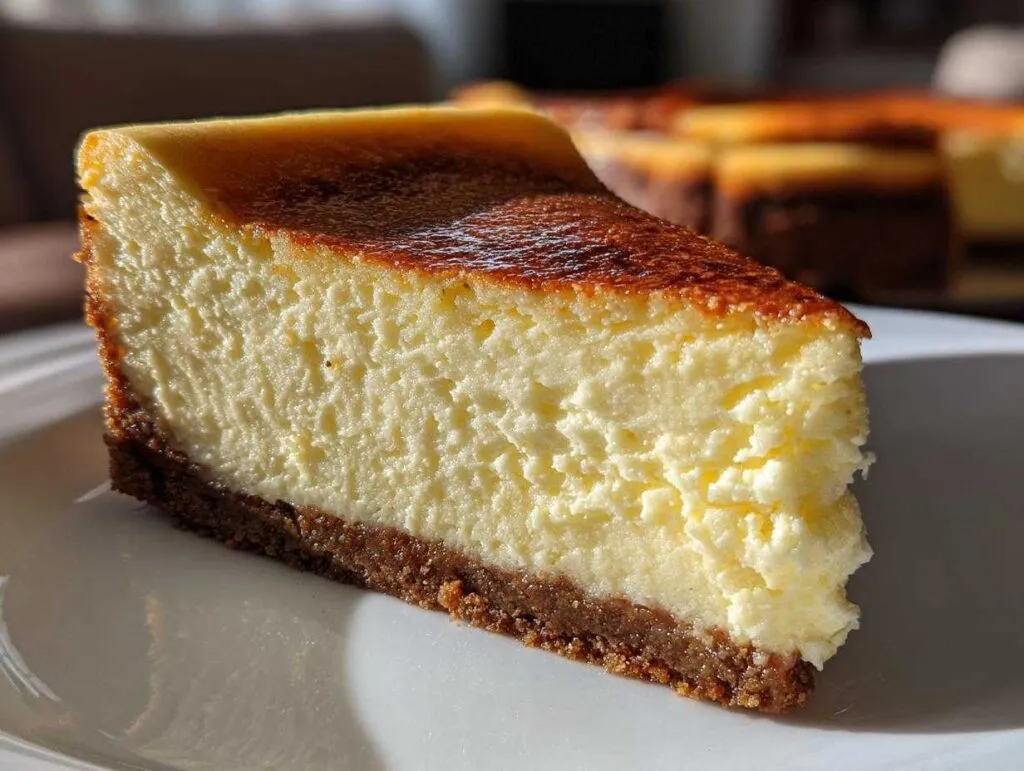
Oh my goodness, friends, get ready! If you dream of serving a dessert that screams pure indulgence and classic bakery quality, you have found your soulmate recipe. I remember the first time I tried to conquer authentic **new york cheesecake**; it was a disaster—flat, cracked, and sad-looking! But I promised myself I wouldn’t stop until I nailed that signature dense, velvety texture everyone raves about. Well, I’ve finally cracked the code, and this recipe is foolproof, I promise. We are tackling the water bath, the slow cooling, and making sure your final slice is tall, rich, and absolutely perfect, every single time. Trust me, this is the **Best Cheesecake Ever**!
- Why This new york cheesecake Recipe is Your New Go-To
- Ingredients for the new york cheesecake and Crust
- Step-by-Step Instructions for the new york cheesecake
- Expert Tips for a No Crack Cheesecake Secrets Finish
- Ingredient Notes and Substitutions for Your new york cheesecake
- Serving Suggestions for this Classic Cheesecake Dessert
- Storage & Reheating Instructions for Decadent Cheesecake Dessert
- Frequently Asked Questions about Baking the new york cheesecake
- Share Your Homemade Cheesecake Recipe Success
Why This new york cheesecake Recipe is Your New Go-To
You want a showstopper, right? Something that tastes like it came straight from a fancy Manhattan bakery but was made right in your own kitchen? I’ve poured my heart into making this recipe reliable, especially when baking for big celebrations. Forget those sad, sunken cheesecakes!
- It achieves that deep, satisfying density—this isn’t some light, fluffy dessert. This is a true, Rich Cream Cheese Filling experience.
- The texture is unmatched; it bakes up incredibly velvety and smooth, which is the hallmark of excellent Creamy Cheesecake Baking.
- We use simple techniques, like the water bath, to guarantee a perfectly smooth top—say goodbye to those terrible cracks! This is one of my best No Crack Cheesecake Secrets.
- The tangy flavor profile is spot on—that classic, slightly tart taste cuts perfectly through the richness. It’s the ultimate Tangy Cheesecake Recipe.
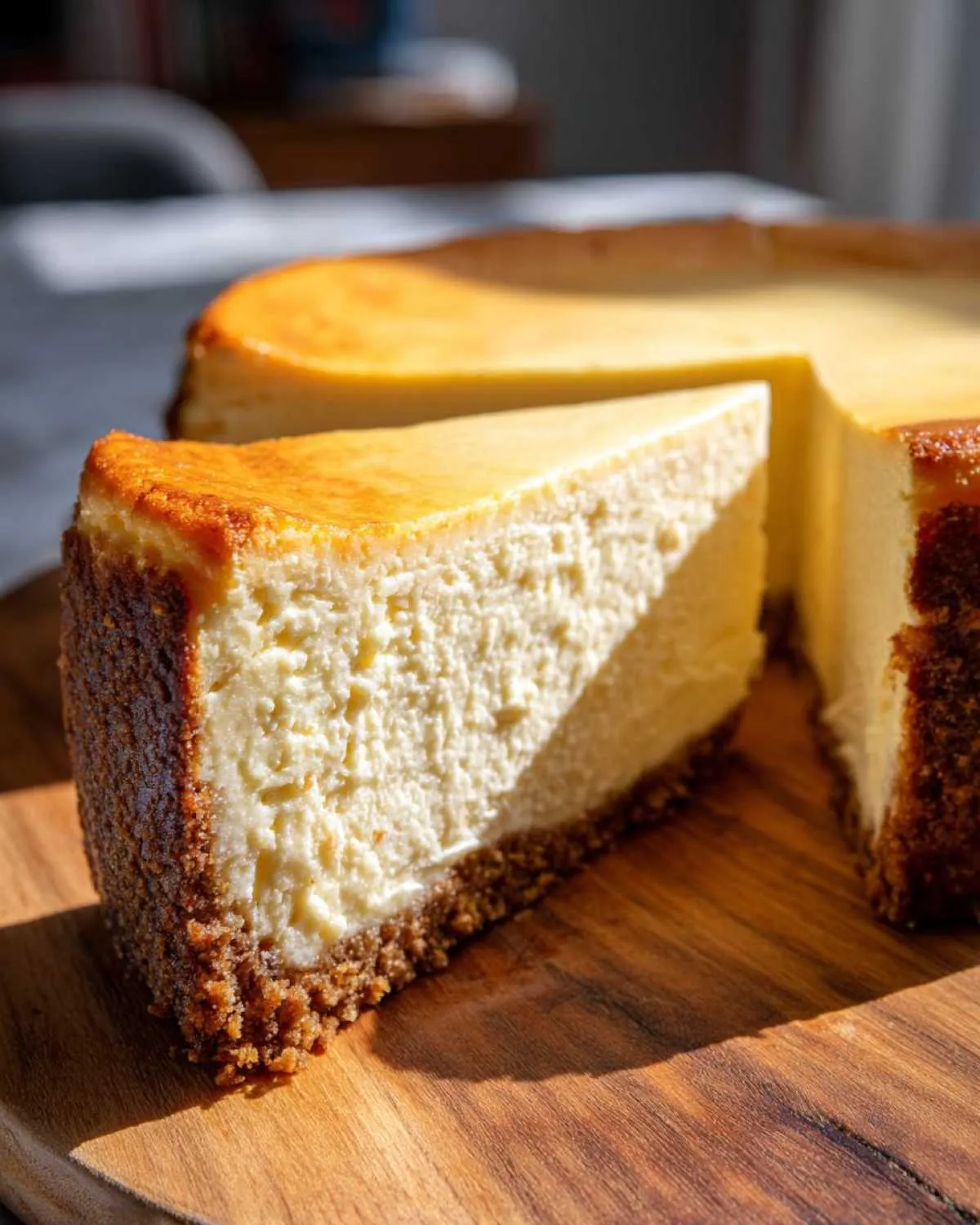
- The buttery Graham Cracker Crust Cheesecake base bakes up perfectly crisp and complements the filling beautifully without getting soggy.
- Plus, once you master this method, you’ll feel like you can tackle anything! It really is the basis for the Best Cheesecake Ever.
If you are looking to branch out into even creamier desserts, make sure you check out my recipe for creamy white chocolate cheesecake next!
Ingredients for the new york cheesecake and Crust
Okay, let’s talk supplies! Getting the right ingredients ready is half the battle for this **new york cheesecake**. You’re going to need a 9-inch springform pan, so make sure that’s clean and ready to go. The absolute biggest tip I can give you right now is temperature! Don’t even *think* about using the cream cheese or sour cream straight from the fridge. They must be perfectly softened or at true room temperature, or you’re going to end up with lumps, and we want luxurious smoothness!
Once you have everything measured out, you’ll see how simple this list is. We aren’t adding tons of flavorings here because the star is that pure, rich cream cheese. If you love smaller batches, you should check out my recipe for mini creme brulee cheesecakes—they use a similar base!
For the Graham Cracker Crust Cheesecake
This crust is non-negotiable; that buttery snap is essential! For a 9-inch springform pan, you will need:
- 1 1/2 cups graham cracker crumbs (make sure they are fine!)
- 1/4 cup granulated sugar
- 6 tablespoons unsalted butter, melted
For the Rich Cream Cheese Filling
This is where the magic happens! Remember—SOFTENED cream cheese and ROOM TEMPERATURE sour cream and eggs. Seriously, this prevents lumps and ensures that beautiful Rich Cream Cheese Filling texture.
- 4 (8 ounce) packages full-fat cream cheese, softened
- 1 1/2 cups granulated sugar
- 1/4 cup all-purpose flour (this keeps it nice and dense!)
- 1 teaspoon vanilla extract
- 1/4 teaspoon salt
- 1 cup sour cream, room temperature
- 4 large eggs, room temperature
Step-by-Step Instructions for the new york cheesecake
This is where the magic happens, but also where we need to pay close attention. Making a truly decadent **new york cheesecake** is more about technique than talent, honestly! We are controlling the environment in our oven with that water bath, and that’s the secret weapon for that smooth, dense bake. Don’t skip any of these slow, deliberate steps if you want the Best Cheesecake Ever. And don’t forget to check out my deep-dive on another amazing dessert technique here: the best creamy new york style cheesecake technique!
Preparing the Graham Cracker Crust Cheesecake Base
First things first, let’s get that bottom layer ready. Preheat your oven to 350°F (175°C). Grab your graham cracker crumbs, the small amount of sugar, and that melted butter. Mix it all up until it looks like wet sand, you know? Press that mixture firmly right into the bottom of your 9-inch springform pan, making sure you push it up about an inch along the sides too. When it comes out, let it cool down a bit while you tackle the filling. Then, lower your oven temperature down to 325°F (160°C) for the actual bake!
Mastering the Water Bath for Creamy Cheesecake Baking
This step ensures we get that beautiful, steam-cooked environment needed for that velvety texture. Take heavy-duty aluminum foil—and I mean heavy duty—and wrap the entire bottom and sides of your springform pan really, really well. You need several layers, trust me, because nobody wants a soggy crust! Gently set your foil-wrapped pan inside a much larger roasting pan. Once the cheesecake is assembled inside its pan, you’re going to place that roasting pan into the oven. Only then do you carefully pour in hot water until it comes about halfway up the sides of the cheesecake pan. This steam is your best friend for Creamy Cheesecake Baking!
Mixing the Dense Cheesecake Tutorial Filling
Now, for the filling, remember what I said about room temperature ingredients? Beat that softened cream cheese until it’s utterly smooth, scraping down the bowl constantly. Then, gently mix in the sugar and flour until just combined—no more than that! Next, stir in the sour cream. The very last thing to go in are the eggs. Add them one at a time, mixing on the lowest speed possible, just until you see the yolk disappear. Stop mixing immediately! Overbeating after the eggs go in introduces too much air, which leads to craters and cracks. We want a Dense Cheesecake Tutorial result, not a fluffy sponge!
Baking and the Crucial Slow Cooling for new york cheesecake
Carefully slide that roasting pan into the oven, filled with the water bath, and bake it for about 60 to 75 minutes. You’re looking for the edges to look set, but if you gently nudge the pan, the very center 2 inches should still have a slight wobble. That’s perfection! When it looks ready, turn the oven OFF completely. Prop the oven door open about two inches—a wooden spoon works great for this—and let the cheesecake hang out in that slowly cooling environment for a full hour. This slow descent is one of the biggest No Crack Cheesecake Secrets! After an hour, take it out of the oven, remove the foil and water bath, and let it cool completely on the counter before covering it and chilling it overnight. That overnight chill is key for its final texture!
Expert Tips for a No Crack Cheesecake Secrets Finish
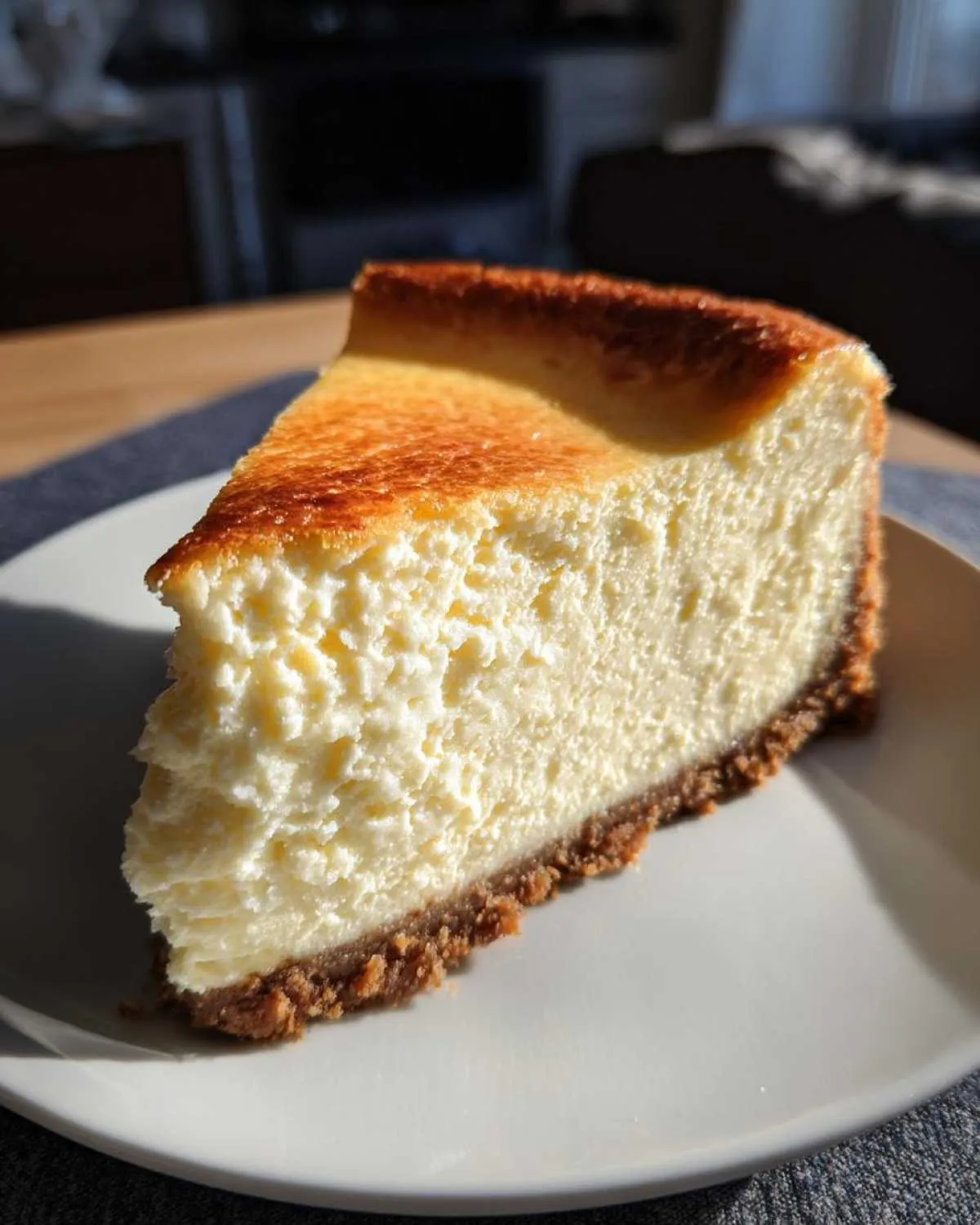
Okay, let’s get real for a second. The bane of every aspiring cheesecake baker’s existence is the dreaded crack! I have had some truly tragic, sunken, cracked cheesecakes in my life that looked like the surface of the moon. If you follow the baking and cooling steps I laid out, you are 90% there, but these few extra tips from my own hard-learned lessons will guarantee you that smooth, gorgeous, crack-free top—the mark of a true **new york cheesecake** master.
My biggest early failure happened because I got impatient. I tried to rush the cooling, moving it straight to the counter after pulling it from the water bath. Wrong move! Instant shock causes contraction, and boom—crack city. Patience is the key ingredient here for a Decadent Cheesecake Dessert.
Here are the three non-negotiable secrets to that flawless, tall appearance:
- Temperature is Everything: I can’t stress this enough! The cream cheese, eggs, and sour cream must be at true room temperature. If they are cold, you have to beat them longer to incorporate them smoothly, and that extra beating brings in air. Air rises, causes uneven baking, and leads to cracks. If your cream cheese feels even slightly stiff, please wait another 20 minutes!
- Keep the Air Out: When adding the eggs, use the lowest speed on your mixer. Once the egg yolk vanishes, stop mixing immediately and scrape the sides gently. We are aiming for a dense bake, not a fluffy one. Overmixing those eggs is the fastest way to introduce bubbles that burst during cooling.
- The Gradual Cooling Strategy: That hour inside the turned-off oven with the door propped open is vital for this **Classic Cheesecake Dessert**. It slows the descent into room temperature, letting the structure set gently. Think of it as easing your cheesecake into the real world. Once it’s fully cooled on the counter, that’s when you cover it up tight and let it chill for its final, mandatory rest.
If you’re done with cakes and want to try something chewy next, my recipe for soft, chewy sea salt caramels is also a huge winner!
Ingredient Notes and Substitutions for Your new york cheesecake
I know we all cook with what we have on hand, and sometimes those perfect ingredients aren’t available. But when tackling a recipe as iconic as the authentic **new york cheesecake**, a few things really are sacred. Generally, for this Dense Cheesecake Tutorial, I always stick to full-fat dairy. It’s what gives you that unctuous, rich mouthfeel New York is famous for.
If you use light cream cheese or low-fat sour cream, you’re introducing more water into the mixture. Water equals a looser bake, and we want dense and sturdy! If you absolutely must substitute the sour cream, Greek yogurt works in a pinch—it gives a nice tang too—but make sure you drain any excess liquid off it first. Don’t try to make this with anything other than full-fat cream cheese though, seriously, it just won’t be the same rich dessert.
Now, about that flour! You might wonder why we add just a little bit of all-purpose flour to the filling when it’s clearly a cream cheese base. That flour isn’t for structure like it is in a cake; it acts as a stabilizer. It helps hold everything together when it bakes and prevents the cheese from separating into pools of liquid fat and solids. It’s small, but vital for the final, perfect slice!
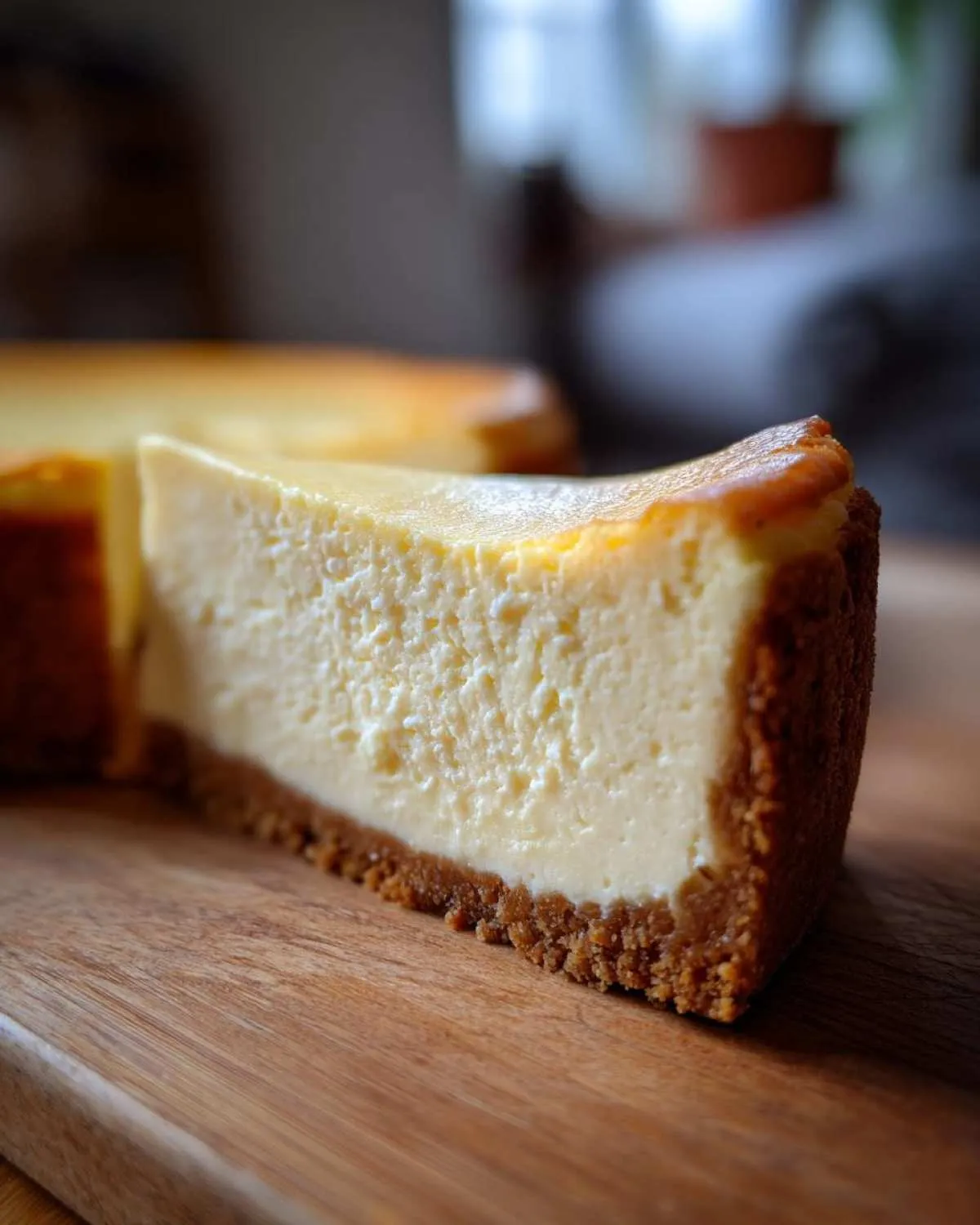
Also, if you love that little bit of extra zing, a teaspoon of lemon zest in the filling pairs beautifully with that tang we’re aiming for. Think about trying that next time you make my classic homemade lemon meringue pie—lemon zest makes everything just pop!
Serving Suggestions for this Classic Cheesecake Dessert
After all that hard work—the careful wrapping, the slow bake, the agonizing cooling process—your creation deserves a beautiful presentation! This **Classic Cheesecake Dessert** is so rich and decadent on its own, it honestly doesn’t *need* anything, but I love dressing it up just a little bit for special occasions. Remember, because the flavor profile is so purely tangy and rich, you want toppings that either complement that creaminess or offer a bright, contrasting flavor.
For my family gatherings, I usually present two options so everyone can choose their adventure. Sometimes simpler is better, especially when the internal texture is this perfect. If you want to see another great pairing for fruit, check out my fudgy strawberry brownies recipe!
Here are the three ways I usually serve this new york cheesecake:
- The Purist’s Delight: Sometimes, I just let that beautiful, smooth top shine. A very light dusting of powdered sugar right before serving is elegant and lets the texture speak for itself. No fuss, all flavor!
- Bright Berry Contrast: My personal favorite is a fresh berry mosaic. I’ll lightly macerate fresh raspberries, blueberries, and sliced strawberries with just a tiny sprinkle of sugar and maybe a drop of lemon juice for about 15 minutes. Spooning this slightly tart topping over the cool, dense slice is just heaven.
- Decadent Chocolate Drizzle: For the chocolate lovers—and let’s face it, who isn’t?—a drizzle of slightly warm dark chocolate ganache is incredible. You don’t want to drown it, just stream it beautifully across the top right before you slice it. It pairs wonderfully with the buttery crust.
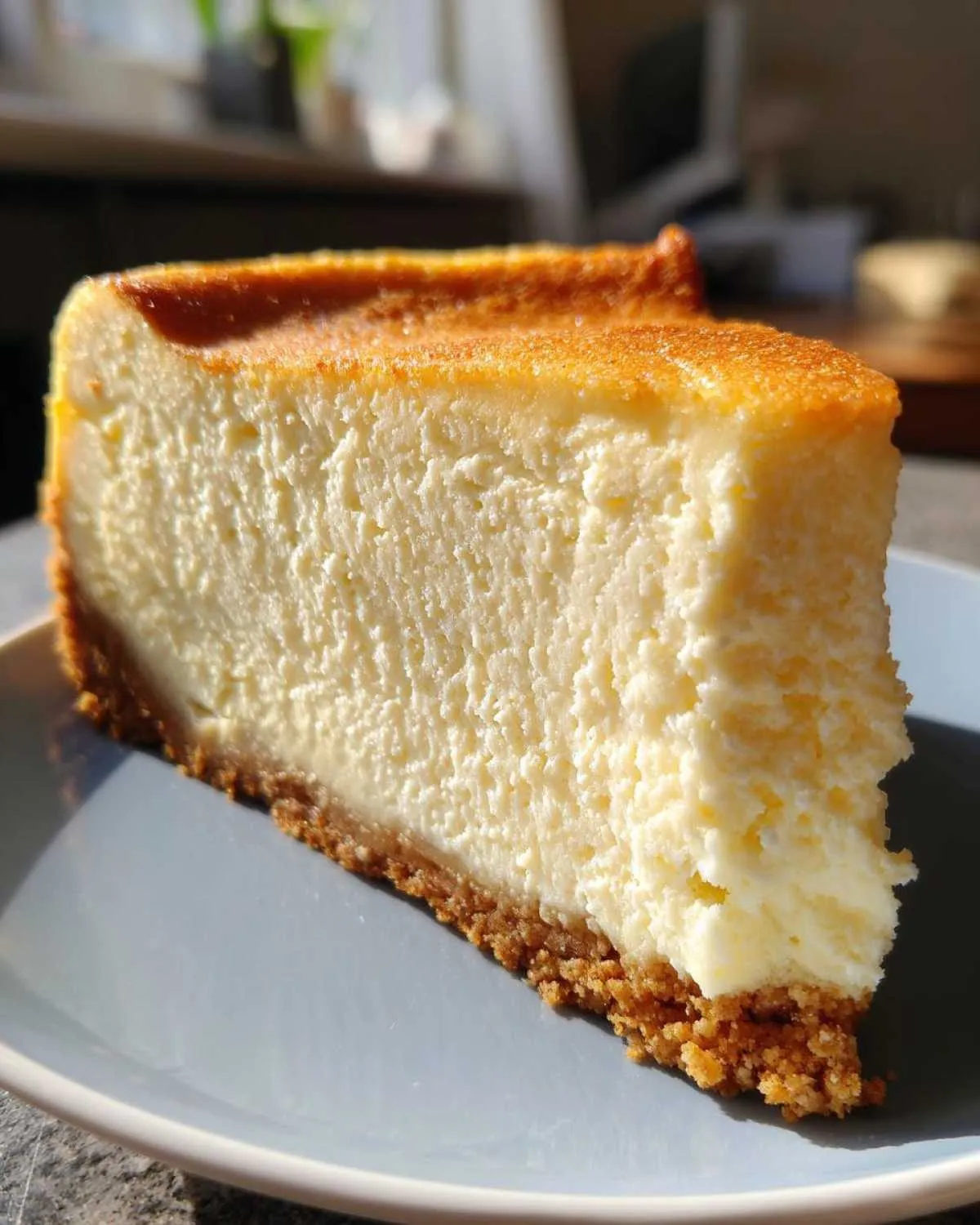
Whatever you choose, make sure you let the cheesecake chill completely after topping (unless you’re going with the powdered sugar route). A cold slice is always the best slice!
Storage & Reheating Instructions for Decadent Cheesecake Dessert
Okay, we’ve made it! We’ve baked it, we prayed over it during the slow cool-down, and now it looks absolutely gorgeous sitting on the counter. But we aren’t quite done yet. For this **new york cheesecake** to achieve that truly dense, professional texture, it needs time to firm up properly. Think of chilling as the final, non-negotiable cooking step. If you try to slice it early? It’ll fall apart on you, and we don’t want any heartbreak!
The mandatory chilling time is at least six hours, but honestly, if you can resist the temptation until the next morning, you will be rewarded tenfold. Overnight chilling sets the fat and proteins perfectly so you get those clean, beautiful slices that look just like the pictures. I know waiting is torture, but you absolutely have to give your perfect, Decadent Cheesecake Dessert time to finalize its structure.
Storing Your Leftover Cheesecake
Once it’s sliced, the science of storage is pretty straightforward. Keep that cheesecake covered tightly in the refrigerator. I usually just use the cover that came with my springform pan if I haven’t removed the cake entirely, or I cover the entire dish tightly with plastic wrap, pressing it gently onto any exposed cut surfaces to keep air out. This helps prevent it from smelling like whatever else is lurking in the fridge!
It lasts really well, too. I consistently enjoy leftover New York style cheesecake for four or five days when stored properly in the fridge. It maintains its texture surprisingly well!
Do I Need to Reheat This Cheesecake?
The short answer is no, never! Unlike a brownie or a slice of pie, this **Creamy Cheesecake Baking** masterpiece is designed to be served cool, straight from the refrigerator. Reheating the cream cheese filling is the fastest way to turn your beautiful dense cake into a soupy mess because the dairy structure will melt right away. It’s just not built for heat once it’s finished its slow cooling process.
If, for some reason, your cheesecake has been sitting out on the counter too long and it feels a little too soft to slice nicely, just pop the whole thing back in the fridge for an hour to firm up. Serving it slightly chilled truly enhances that slight tang and dense feel, which is what we are after!
If you want an amazing warm treat later, you might enjoy trying my recipe for chocolate caramel toffee crunch cake instead, which is perfect served warm with ice cream!
Frequently Asked Questions about Baking the new york cheesecake
I knew you’d have questions! When you commit to making a legendary dessert like the authentic **new york cheesecake**, you want to make sure everything goes right. I’ve answered the top things friends ask me right after they pull their first one out of the oven. Don’t worry if you haven’t done this before; we are talking through all the tricky spots!
If you’re looking to try another dessert that relies on chilling for texture, you have to try my silky custard pecan cream pie recipe next!
Can I skip the water bath when making this new york cheesecake recipe?
Oh, honey, please don’t! If you want that incredibly smooth, almost satin-like texture that defines the **Creamy Cheesecake Baking** experience, the water bath—or *bain-marie*—is non-negotiable. Think of it this way: the water creates a humid, steamy environment where the cheesecake bakes gently and evenly. Without steam, the top and sides cook way faster than the center, drying them out and causing that dreaded cracking! Skipping it risks uneven baking and totally ruins the dense, velvety outcome we are aiming for in this **new york cheesecake recipe**.
How long does the new york cheesecake need to chill before slicing?
This is where patience really pays off. You simply *must* chill this cake for the final set. While you can *technically* slice it after about six hours in the fridge, I strongly, strongly urge you to wait until it’s chilled overnight. Seriously, waiting that extra time makes a huge difference going from ‘very good’ to the **Best Cheesecake Ever**! Overnight chilling is what transforms the filling from slightly soft to that signature, sturdy, yet melt-in-your-mouth dense texture that defines a top-tier **Classic Cheesecake Dessert**.
What makes this Classic Cheesecake Dessert different from others?
What sets this apart from, say, a lighter Italian ricotta cheesecake or even some fluffy, baked cheesecakes is two things: the ratio and the final cool-down. First, we use a very high ratio of full-fat cream cheese, with just enough sugar and acid (sour cream) to balance it out. Second, and this is HUGE, it’s that specific two-stage cooling process we talked about—in the turned-off oven for an hour, then room temperature, then the fridge overnight. That specific method ensures the structure stays tall and impossibly dense, giving you that truly authentic New York feel. It’s less about added ingredients and all about temperature control for that signature density!
I love seeing your beautiful bakes pop up on social media! If you pin your results, you might even see them featured on my Pinterest board—you can find lots of inspiration there too, like what I post on our main vault!
Share Your Homemade Cheesecake Recipe Success
Well, that’s it, my friends! You have conquered the mighty **new york cheesecake**! I truly hope you loved making this classic dessert as much as I loved sharing my secrets with you. Please, please tell me how it turned out. Rate the recipe and leave a comment below describing that incredibly rich texture. I can’t wait to hear about your smooth, tall, perfect bakes! If you snap a picture, you might see it grace my social feeds soon—I always look forward to seeing what you create!
If you enjoyed this deep dive into flawless baking, you should try my fudgy chocolate peppermint cookies recipe next!
PrintThe Ultimate Creamy, Classic New York Cheesecake with a Perfect Graham Cracker Crust
Bake the best cheesecake you have ever tasted. This recipe delivers the dense, rich, and velvety texture characteristic of authentic New York Style Dessert, complete with a buttery graham cracker crust. Follow these steps for a no-crack, tall, and creamy cheesecake perfect for any special occasion.
- Prep Time: 25 min
- Cook Time: 75 min
- Total Time: 100 min
- Yield: 12 servings 1x
- Category: Dessert
- Method: Baking (Water Bath)
- Cuisine: American
- Diet: Vegetarian
Ingredients
- 1 1/2 cups graham cracker crumbs
- 1/4 cup granulated sugar (for crust)
- 6 tablespoons unsalted butter, melted (for crust)
- 4 (8 ounce) packages full-fat cream cheese, softened
- 1 1/2 cups granulated sugar (for filling)
- 1/4 cup all-purpose flour
- 1 teaspoon vanilla extract
- 1/4 teaspoon salt
- 1 cup sour cream, room temperature
- 4 large eggs, room temperature
Instructions
- Prepare the crust: Preheat your oven to 350°F (175°C). Mix graham cracker crumbs, 1/4 cup sugar, and melted butter. Press the mixture firmly into the bottom and about 1 inch up the sides of a 9-inch springform pan. Bake for 10 minutes. Remove and let cool slightly. Reduce oven temperature to 325°F (160°C).
- Prepare the water bath: Wrap the outside bottom and sides of the springform pan tightly with heavy-duty aluminum foil to prevent water from seeping in. Place the wrapped pan inside a larger roasting pan.
- Make the filling: In a large bowl, beat the softened cream cheese with an electric mixer until completely smooth. Scrape down the sides.
- Gradually beat in 1 1/2 cups sugar and flour until just combined. Mix in vanilla extract and salt.
- Beat in the sour cream until smooth. Add the eggs one at a time, mixing on low speed after each addition only until the yolk disappears. Do not overmix the batter once eggs are added.
- Pour the filling over the cooled crust in the springform pan.
- Place the roasting pan with the cheesecake into the oven. Carefully pour hot water into the roasting pan until the water reaches about halfway up the sides of the springform pan. This water bath creates steam for a creamy, no-crack cheesecake.
- Bake for 60 to 75 minutes. The edges should look set, but the center 2 inches should still jiggle slightly when the pan is gently nudged.
- Turn off the oven. Prop the oven door open slightly (about 2 inches) using a wooden spoon. Let the cheesecake cool inside the turned-off oven for 1 hour. This slow cooling prevents cracking.
- Remove the cheesecake from the water bath and foil. Let it cool completely on a wire rack at room temperature.
- Chill: Cover the cheesecake loosely and refrigerate for at least 6 hours, or preferably overnight, before serving. This step is crucial for achieving the dense texture of a Classic Cheesecake Dessert.
Notes
- Ensure all dairy ingredients (cream cheese, sour cream, eggs) are at true room temperature for the smoothest, richest cream cheese filling.
- For the best results and to achieve that tall and creamy New York Cheesecake look, avoid scraping down the bowl excessively after adding the eggs. Overmixing incorporates too much air, which causes cracks.
- If you want a tangier flavor, you can add 1 teaspoon of fresh lemon zest to the filling mixture.
Nutrition
- Serving Size: 1 slice
- Calories: 450
- Sugar: 35
- Sodium: 350
- Fat: 30
- Saturated Fat: 18
- Unsaturated Fat: 12
- Trans Fat: 0.5
- Carbohydrates: 38
- Fiber: 1
- Protein: 9
- Cholesterol: 120