
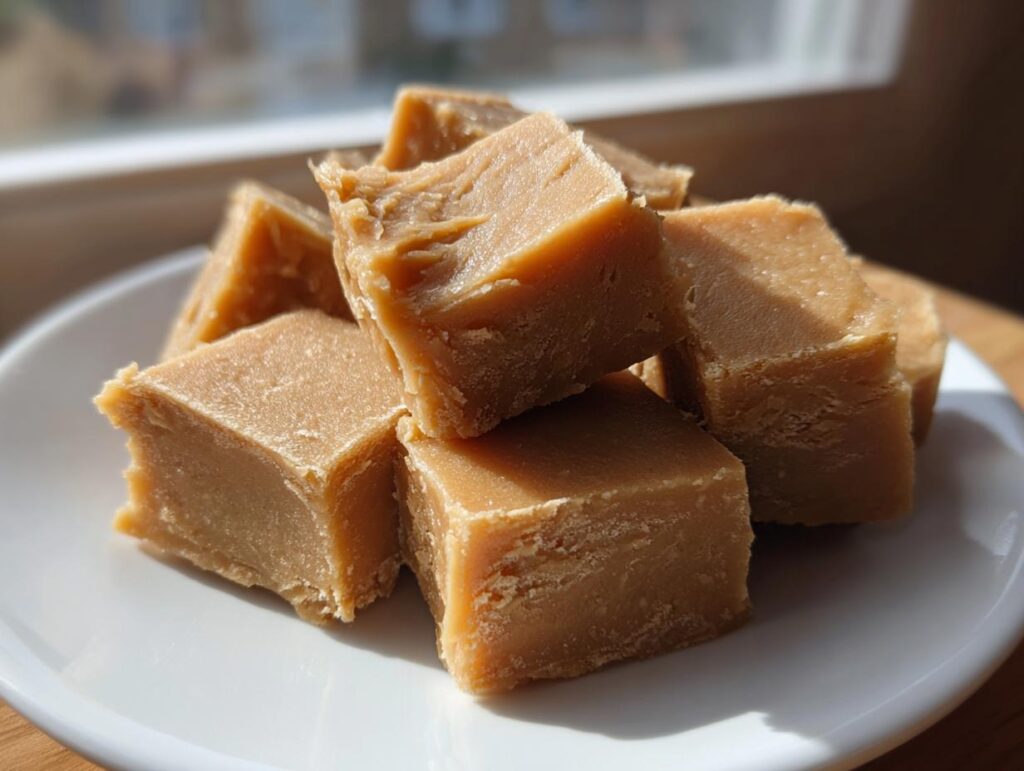
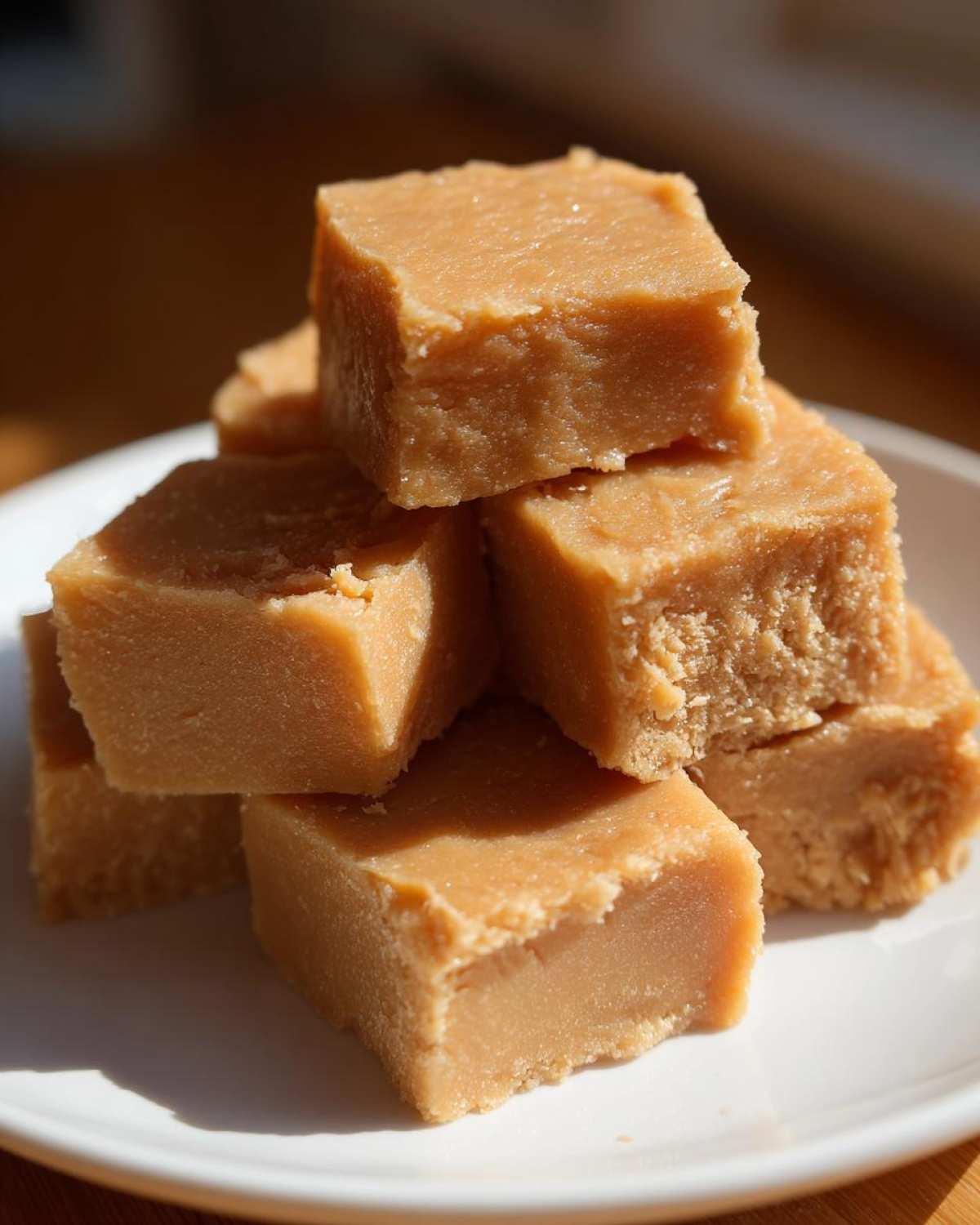
Oh, who doesn’t adore a piece of candy that just tastes like pure nostalgia? Forget those complicated, fussy treats. Today, we are diving headfirst into the rich, buttery world of penuche fudge! This isn’t just any confection; this is the ultimate brown sugar candy, delivering that unbelievably smooth and creamy texture that melts right on your tongue. For me, this recipe is deeply connected to my love for traditional confectionery methods—it’s about using simple ingredients handled with just the right amount of patience to create something truly classic. Trust me, once you try this, you’ll understand why this caramel-colored delight holds a special place in my kitchen!
- Why This Classic Old-Fashioned Penuche Fudge Recipe Works (The Secret to Smooth Texture)
- Gathering Your Ingredients for the Best Penuche Fudge
- Step-by-Step Instructions for Making Smooth Penuche Fudge
- Tips for Achieving Melt in Your Mouth Treats with Penuche Fudge
- Variations on Classic Candy Recipes: Customizing Your Penuche Fudge
- Storage and Serving Suggestions for Your Homemade Penuche Fudge
- Frequently Asked Questions About Old Fashioned Fudge
- Estimated Nutritional Breakdown for Penuche Fudge
- Share Your Experience Making Penuche Fudge
Why This Classic Old-Fashioned Penuche Fudge Recipe Works (The Secret to Smooth Texture)
It’s easy to get intimidated by cooked candy, but I promise you, this classic old fashioned fudge recipe is designed to be your most reliable go-to! The reason this penuche fudge shines is entirely down to the brown sugar base. It gives us that deep, toffee flavor you just can’t replicate with plain granulated sugar, making this a superior Brown Sugar Fudge Recipe. We aren’t guessing here—we are using reliable candy science!
The key to achieving that melt-in-your-mouth texture lies in two non-negotiable steps, and both require a candy thermometer. You need to hit that soft-ball stage precisely, and then you need patience during the cooling phase.
The Science Behind Perfect Penuche Fudge Crystallization
When we cook the mixture of sugar and cream, we are looking for exactly 234 degrees Fahrenheit. This is the soft-ball stage. If it’s under, your fudge will never set up right and you’ll have runny goo. If it’s over, it gets too hard!
But here is the real secret: after you pull the pan off the heat and add your vanilla and butter, you absolutely *must* let it cool undisturbed down to 110 degrees Fahrenheit. If you start beating it while it is too hot, the sugar crystals form too fast and large, leading to a grainy texture. Waiting allows those tiny, marvelous crystals to form slowly while you beat it—that’s what gives you that incredibly smooth and creamy dessert experience!
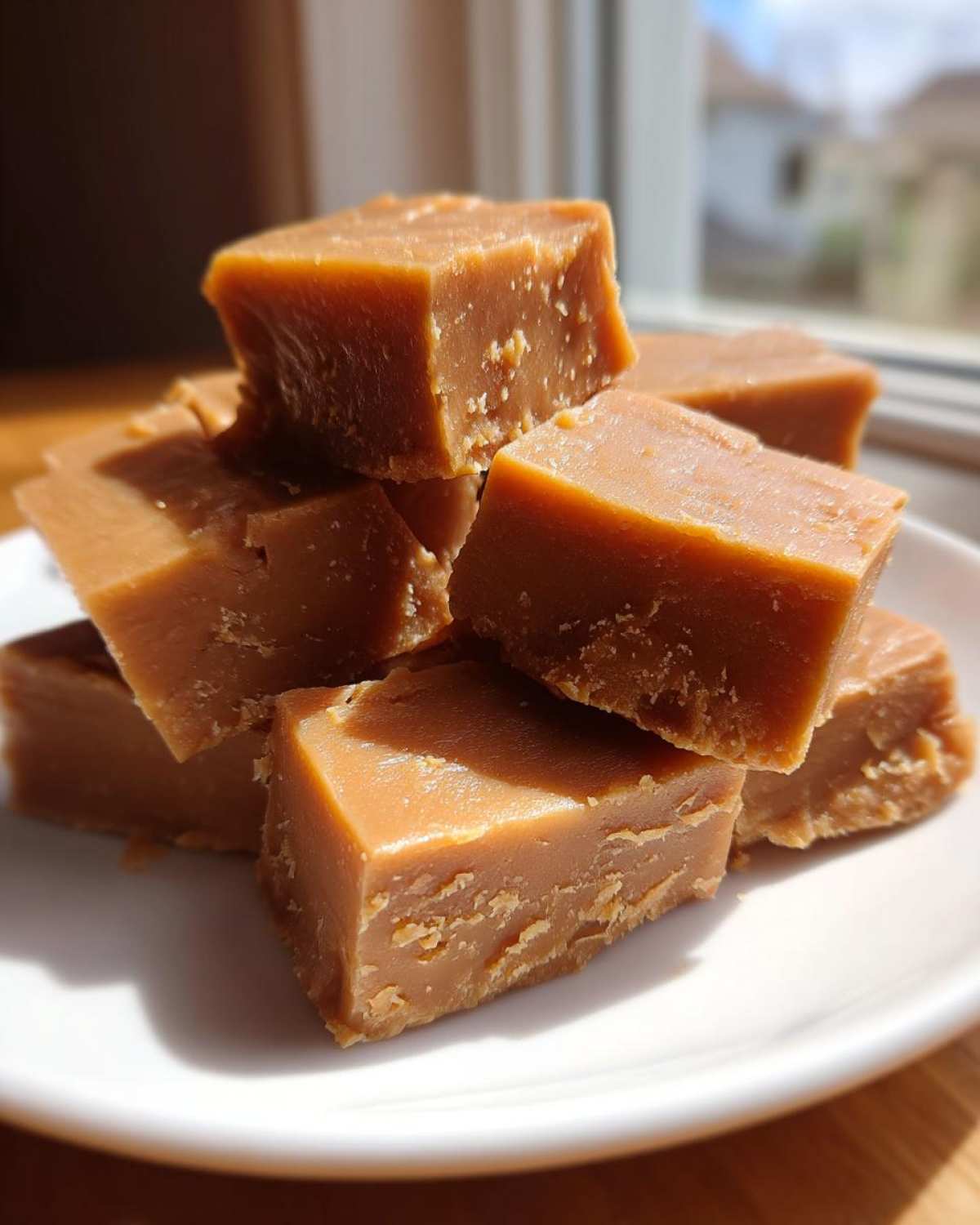
Gathering Your Ingredients for the Best Penuche Fudge
Before we even think about turning on the stove, setting out our ingredients right is half the battle in making perfect penuche fudge. We need quality dairy here! Make sure you grab heavy cream—we need that fat content for structure, so regular milk just won’t do.
You’ll need both white sugar and brown sugar, and that brown sugar must be packed tightly into your measuring cup for the best flavor. Don’t forget the butter, salt, and vanilla. If you want that extra crunch for a fantastic Pecan Fudge Variations, have your chopped pecans or even peanuts ready to toss in at the end!
Ingredient Clarity and Quality Notes
When it comes to the brown sugar, I insist on light brown sugar for this recipe. Dark brown sugar is wonderful, but it can sometimes make the fudge too molasses-heavy and darken the color too much, losing that beautiful, classic caramel tone we are aiming for!
Also, always measure your heavy cream *after* you’ve gently warmed it slightly—it blends into the hot sugar mixture much better that way. Remember, while the nuts are totally optional, they are a fantastic contrast to the smooth candy texture!
Step-by-Step Instructions for Making Smooth Penuche Fudge
Okay, deep breaths! This is the exciting part where we turn simple dairy and sugar into magic. First things first: get your 8×8 pan lined with parchment paper that overhangs the sides. This overhang is your best friend later when you need to lift this sweet slab out without breaking a nail or your treat. Lightly grease that paper, too, just in case!
Next, combine your sugars and the heavy cream in a good, heavy-bottomed saucepan. We always choose heavy-bottomed pans for candy, so we minimize those terrifying hot spots that lead to scorching. Put it over medium heat and stir constantly until those sugars are totally dissolved and you see the first signs of a boil. Then, you can ease up on the stirring but keep an eye on it!
Now it’s time for precision work. Attach your candy thermometer—make absolutely sure the tip isn’t touching the bottom of the pan. We are cooking this, stirring only occasionally to keep things moving around the edges, until that thermometer screams 234 degrees Fahrenheit. This is our sweet spot, the soft-ball stage! Once you hit it, yank that pan off the heat instantly. You don’t want to overcook this wonderful dessert!
After removing it from the heat, stir in your butter until it melts completely, followed by the vanilla and salt. Do not beat it now! We need to let it rest and cool. This is where patience truly matters for perfect penuche fudge.
Cooking the Sugar Mixture to Soft-Ball Stage
The moment the mixture boils, watch that thermometer like a hawk! It might take 10 to 15 minutes after the initial boil starts. You’ll see the bubbles get thicker and slower moving as it heats up. Right as you reach 234°F, take it off immediately. Sometimes, I even pull it off 1 degree early because residual heat keeps cooking the sugar. Keep those utensils away from the sides of the pot while it’s cooking; any stray sugar dust can cause the whole batch to crystallize prematurely!
The Crucial Cooling and Beating Method for Penuche Fudge
Once you’ve added the extras like butter, you have to walk away. I mean it! Let the mixture cool completely down to 110 degrees Fahrenheit without touching it or stirring it around. If you mess with it, you start crystal formation early, and you end up with gritty fudge. Once it hits 110°F, grab your wooden spoon or hand mixer and go to town! Beat it hard and consistently. You’re looking for transformation—it goes from glossy and runny to dull, lighter in color, and thick, almost like peanut butter. That dull sheen means your penuche fudge is ready to be dumped into the pan and set. Hurry up now, because once it thickens, it’s on the clock!
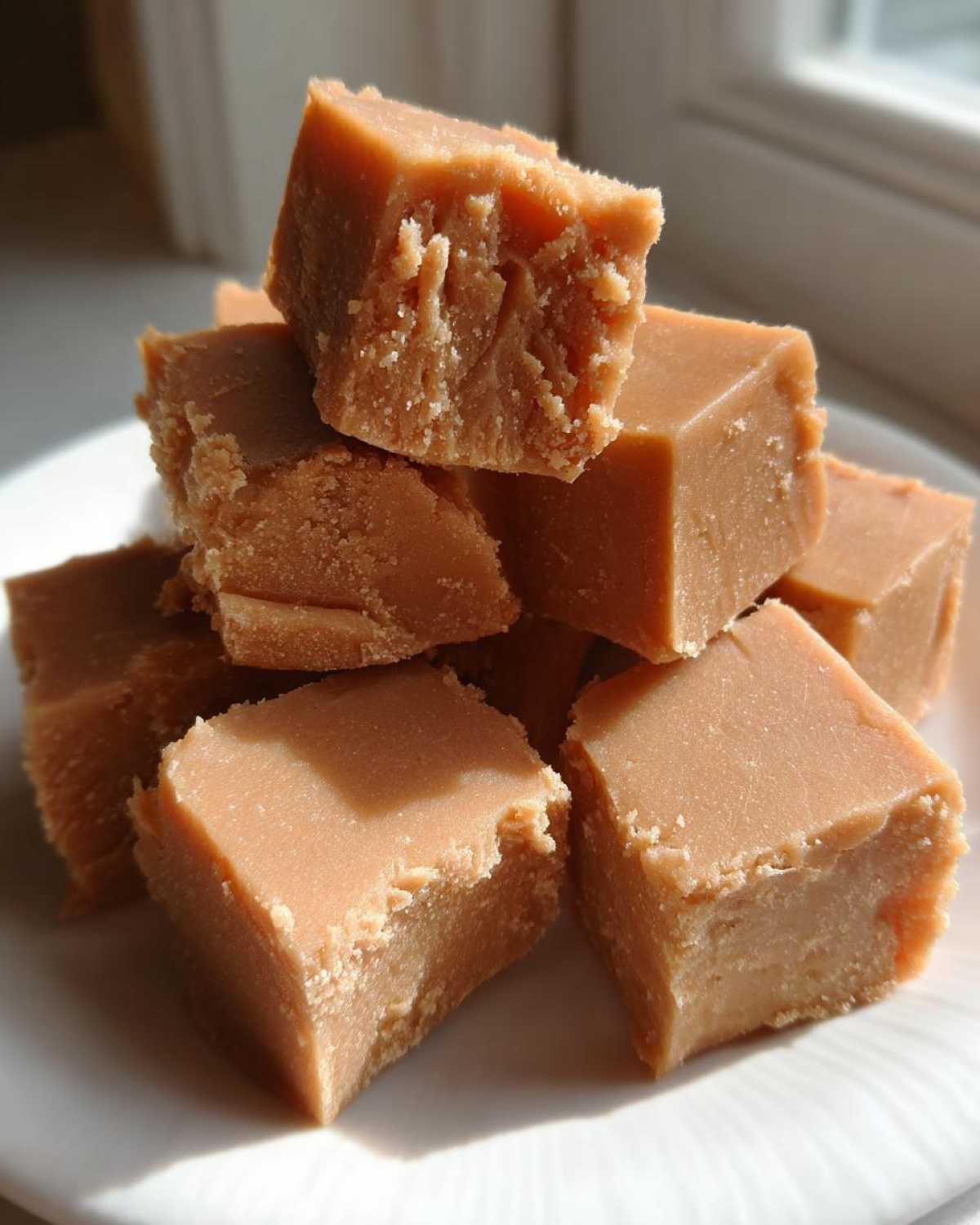
Tips for Achieving Melt in Your Mouth Treats with Penuche Fudge
Even with the best intentions, candy making sometimes throws us a curveball. If your penuche fudge turns out grainy instead of smooth, don’t panic! Remember those crystals we talked about? If you accidentally stirred while it was cooling down to 110°F, you nudged those crystals to grow too big too fast. The fix for next time is simple: absolute stillness during the cooling period.
I’ve had batches fail completely on super humid days, too. Humidity competes with the sugar and moisture balance, often preventing that beautiful set. If your fudge seems too soft, you might need to beat it for a few extra minutes until it really thickens up, or even chill it slightly before setting. Always remember, the proper beating phase is what locks in that incredible, smooth texture unique to good penuche fudge.
Troubleshooting Grainy Penuche Fudge
If you already have a grainy batch, there’s no miracle cure to revert it perfectly, but we can salvage it! Take the grainy fudge, reheat it gently on the stove with a splash of fresh heavy cream until it dissolves back into a liquid. Then, go through the cooling process again, making sure patience is your absolute best friend when it comes time to beat it vigorously at 110 degrees Fahrenheit. Sometimes, adding a tiny pinch of cream of tartar during the initial sugar boil can also help stabilize the syrup and prevent those naughty, large sugar crystals from forming in the first place!
Variations on Classic Candy Recipes: Customizing Your Penuche Fudge
While I am fiercely loyal to the classic flavor of penuche fudge, I absolutely love seeing how you all customize this treat! It’s so versatile. If you love nuts, these are the perfect place to incorporate them. For brilliant Pecan Fudge Variations, simply fold in those chopped nuts right after you stir in the vanilla—don’t add them while cooking, as they can burn!
If you’re looking for something richer, you can easily make a peanut butter fudge alternative by mixing in about a half cup of creamy peanut butter right at the end when you are adding the vanilla extract. It gives it a lovely depth! For more nutty inspiration, you really should check out my recipe for cranberry pecan cheese ball!
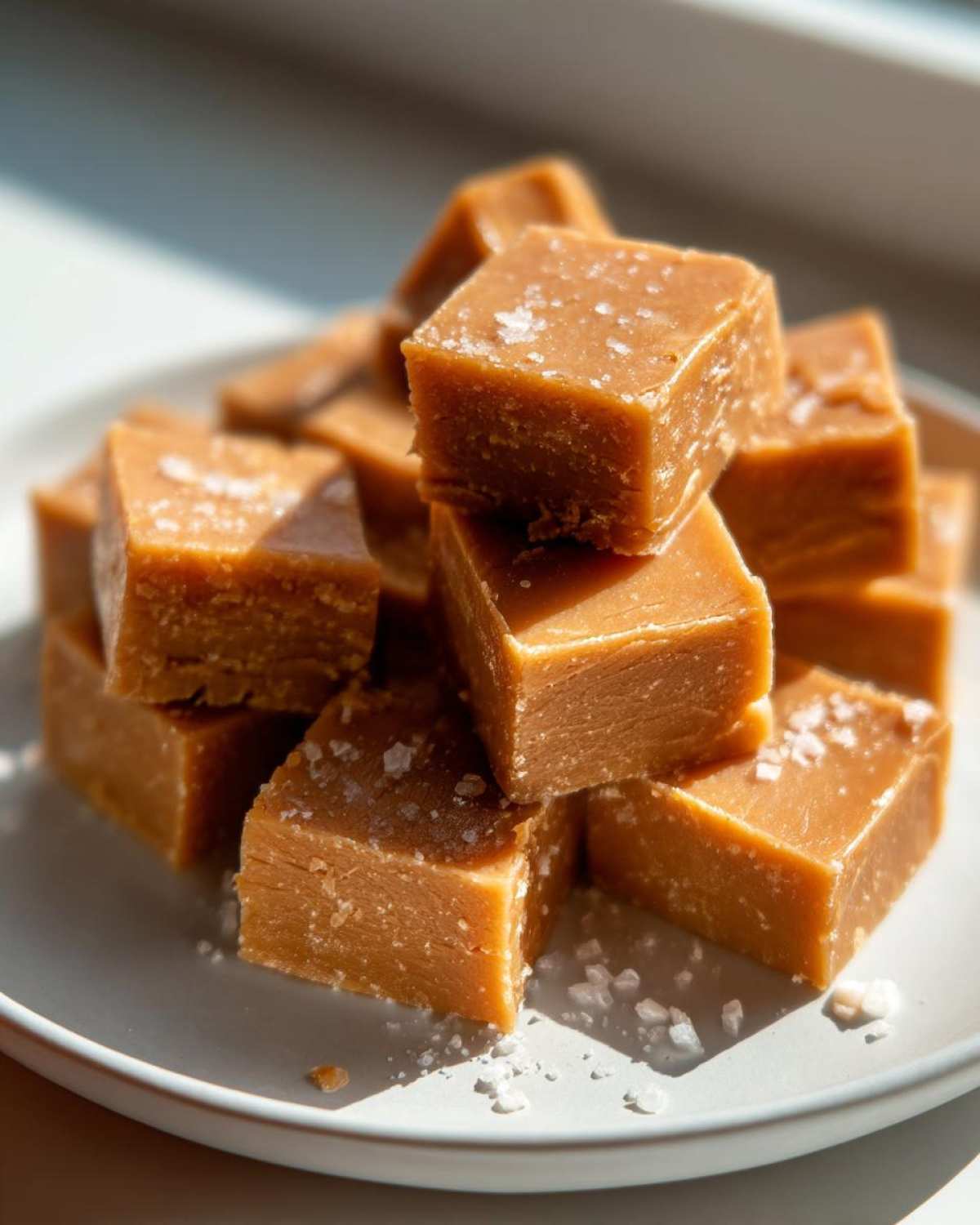
Using Penuche Fudge as a Smooth and Creamy Dessert Frosting
This is such a game changer! You can use this exact same recipe as a homemade frosting. But remember what I mentioned in the notes: when the fudge starts to thicken during the beating stage, work faster! If you want it extra spreadable for frosting cakes and bars, maybe stop beating it when it’s still a little bit softer—just before it gets fully dull and thick.
If you let it cook just a tiny bit hotter, say 236°F instead of 234°F, it will set up firmer as candy, but it will give you a slightly softer texture when you use it as a topping for your cakes. It gives such an incredible boost of brown sugar flavor compared to standard buttercream!
Storage and Serving Suggestions for Your Homemade Penuche Fudge
The hardest part is over—now you have to resist eating this glorious penuche fudge all at once! Good news: this traditional confectionery stores beautifully. I always keep mine in a single layer in an airtight container right on the counter. Seriously, room temperature is perfect for maintaining that melt-in-your-mouth quality. Resist the urge to put it in the fridge unless your kitchen is unusually warm!
It stays fresh and soft for a good week, sometimes longer if you hide it well! This makes it perfect for a decadent Holiday Fudge Assortment that you can make a few days ahead of time. It’s absolutely divine served alongside a strong cup of coffee in the afternoon. Don’t forget to check out our inspiration board over on Pinterest for amazing serving ideas at RecipesVault!
Frequently Asked Questions About Old Fashioned Fudge
I know you might have a few lingering questions about candy making, especially if this is your first time trying a cooked fudge. It’s perfectly normal! People often ask me about Easy Fudge Making when they see the detailed cooking steps, but trust me, once you nail the temperature, it’s routine!
Can I make penuche fudge without a candy thermometer?
While I absolutely recommend the thermometer for perfect results every time—because reliability is key in candy making—you *can* try the old-fashioned cold water test if you’re daring! Drop a small spoonful of the hot syrup into a cup of ice water. If you can roll the sugar into a soft, pliable ball that flattens when you press it, you’ve hit the soft-ball stage needed for your penuche fudge. If it dissolves or is too stiff, keep cooking!
How long does this traditional confectionery take to set?
If you followed the cooling and beating steps correctly, the physical setting time is pretty quick. Once you spread it into the pan, I usually let it sit undisturbed at room temperature for at least four hours. That gives the sugar structure time to solidify nicely. Remember, if your kitchen is warm or humid, it might need closer to six hours or even a quick 45 minutes in the fridge to firm up before cutting. Don’t rush it, or you’ll end up with sticky mess instead of beautiful squares!
If you’re looking for quick fixes for those times you don’t want to cook at all, check out my guide on No Bake Candy Ideas for super fast treats!
Estimated Nutritional Breakdown for Penuche Fudge
I always get asked how naughty or nice this treat really is! Since this recipe is pure, buttery, brown-sugar goodness, it definitely falls into the ‘indulgence’ category, but knowing what you’re eating is important, right?
Here are the estimated nutritional values per serving—that’s one small 1-inch square, based on yielding about 36 pieces from the batch. Since we are using simple sugar, cream, and butter, the numbers look like this:
- Calories: Approximately 160
- Total Fat: Around 4 grams (with 2 grams being saturated fat)
- Protein: Just about 1 gram
- Total Carbohydrates: Roughly 30 grams
- Sugar: This is the big one, about 28 grams, mostly from the brown and white sugars we melt down.
Please keep in mind these are my estimates based on the amounts listed in the recipe! If you add pecans or peanuts, those totals will shift a bit toward fats and protein. As with any traditional confectionery, these treats are best enjoyed in moderation, maybe with your afternoon coffee in place of a more complicated baking project!
Share Your Experience Making Penuche Fudge
Now that you have the keys to making truly spectacular, smooth-as-silk fudge, I need to hear from you! Did you manage that perfect soft-ball stage on your first try? Or did you have a little adventure with the cooling process? Don’t keep your successes or your learning moments to yourself—we’re all learning together here!
Please leave a rating for this Brown Sugar Fudge Recipe down in the comments below; five stars if it made your house smell like an old-fashioned candy shop! I am always so excited to see what variations you try, whether you added those pecans or perhaps used it as a topping for one of your desserts.
If you loved this recipe and want more classic ideas alongside some easy weeknight meals, make sure you subscribe so you don’t miss out on my latest culinary adventures! Speaking of fast and easy ideas, if you need a savory break after all that sugar, check out my recipe for easy, thick homemade pizza sauce—it’s fantastic!
Happy cooking, and I can’t wait to read about your creamy, buttery triumphs!
PrintClassic Old-Fashioned Penuche Fudge: The Definitive Brown Sugar Candy
Make smooth, creamy Penuche Fudge, a traditional brown sugar candy with a melt-in-your-mouth texture. This recipe delivers that old-fashioned flavor you love.
- Prep Time: 15 min
- Cook Time: 20 min
- Total Time: 35 min
- Yield: About 36 small squares 1x
- Category: Dessert
- Method: Stovetop Cooking
- Cuisine: American
- Diet: Vegetarian
Ingredients
- 2 cups granulated sugar
- 1 cup packed light brown sugar
- 1 cup heavy cream
- 2 tablespoons butter
- 1 teaspoon vanilla extract
- 1/4 teaspoon salt
- 1 cup chopped pecans or peanuts (optional)
Instructions
- Line an 8×8 inch baking pan with parchment paper, leaving an overhang on the sides for easy removal. Lightly grease the paper.
- Combine the granulated sugar, brown sugar, and heavy cream in a heavy-bottomed saucepan.
- Stir the mixture constantly over medium heat until the sugars dissolve and the mixture begins to boil.
- Attach a candy thermometer to the side of the pan, making sure the tip does not touch the bottom.
- Continue to cook, stirring occasionally to prevent scorching, until the mixture reaches 234 degrees Fahrenheit (soft-ball stage). This usually takes about 10 to 15 minutes once boiling starts.
- Remove the pan from the heat immediately. Stir in the butter, vanilla extract, and salt until the butter is completely melted. Do not overmix at this stage.
- If you are adding nuts, stir them in now.
- Let the mixture cool undisturbed, without stirring, until it reaches 110 degrees Fahrenheit. This cooling step is crucial for the right texture.
- Once cooled to 110 degrees Fahrenheit, begin beating the fudge vigorously with a wooden spoon or an electric mixer on medium speed. Beat until the fudge loses its glossy shine and becomes dull and thick, similar to peanut butter fudge consistency. This takes about 5 to 10 minutes.
- Quickly pour the thickened fudge into the prepared pan and spread evenly.
- Let the fudge set completely at room temperature for several hours, or chill briefly to speed up setting.
- Once firm, lift the fudge out using the parchment paper overhang and cut into small squares.
Notes
- For a no bake candy alternative, if you struggle with the soft-ball stage, you can substitute the cooked sugar mixture with 1 (14-ounce) can of sweetened condensed milk, 1 cup of white chocolate chips, and 1 cup of brown sugar, melting them gently together until smooth.
- This recipe makes a fantastic Penuche Fudge Frosting for cakes and desserts; use about half the batch thickness and spread immediately over cooled baked goods.
- If you prefer a different flavor, this recipe works well as a peanut butter fudge alternative by adding 1/2 cup of creamy peanut butter when you add the vanilla extract.
Nutrition
- Serving Size: 1 square
- Calories: 160
- Sugar: 28
- Sodium: 35
- Fat: 4
- Saturated Fat: 2
- Unsaturated Fat: 2
- Trans Fat: 0
- Carbohydrates: 30
- Fiber: 0
- Protein: 1
- Cholesterol: 10