
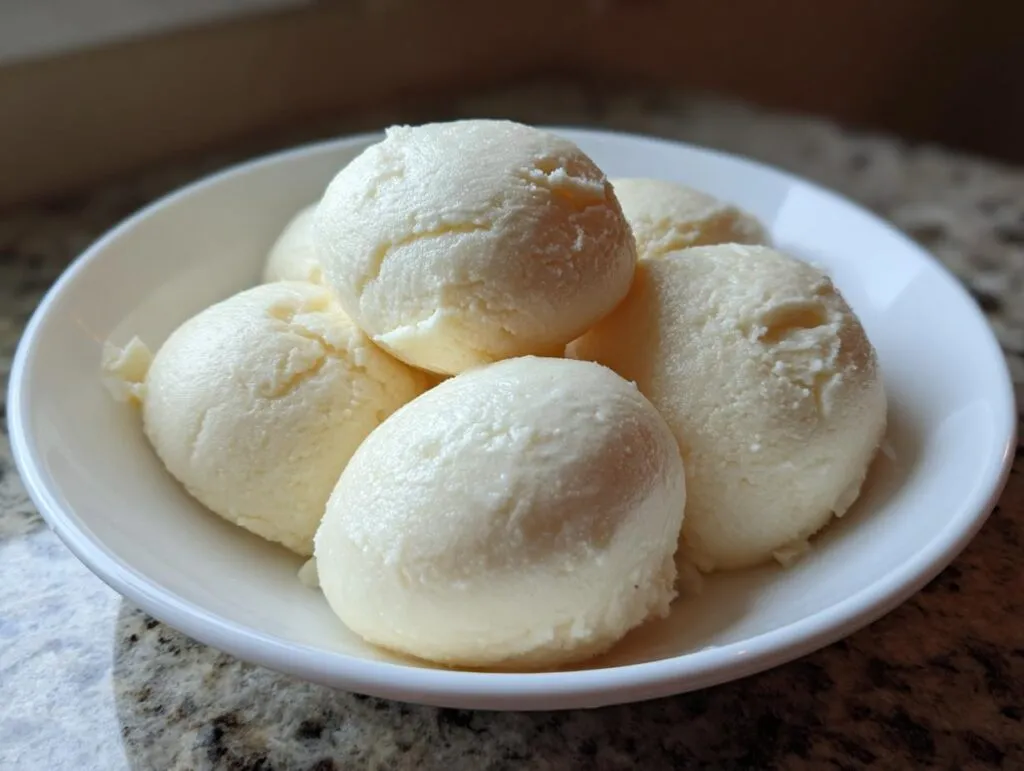
Oh my goodness, there is simply nothing more satisfying than pulling a perfectly smooth, soft ball of **fufu** out of the pot! For years, I watched videos and tried recipes, convinced that achieving that restaurant-quality texture meant hours of pounding—nope! It just meant I hadn’t learned the right technique yet. Trust me, when you nail the mixing just right, this incredible **African staple food** becomes your new obsession. I’m Sophia, and I’m thrilled to share my journey mastering the **fufu** dough texture so you can get soft, smooth results fast, ready to scoop up all the goodness from your favorite hearty soups!
- Why This Easy Fufu Recipe Works for You
- Ingredients for Authentic West African Fufu
- Step-by-Step: How to Make Fufu
- Tips for Success When Making Fufu
- Essential Fufu Pairings: Best African Soups and Fufu
- Storage and Reheating Instructions for Leftover Fufu
- Understanding Fufu: An African Staple Food
- Frequently Asked Questions About Making Fufu
- Sharing Your Homemade Fufu Creations
Why This Easy Fufu Recipe Works for You
I know what you’re thinking: “Can I really make authentic **fufu** without spending half my day stirring or using fancy equipment?” The answer is a resounding YES! This **Easy Fufu recipe** is my go-to because it respects your time while delivering incredible results. It cuts down on the fuss so you can get to the best part—eating it with soup—faster!
Why do I love this simple version so much? Let me count the ways:
- It’s surprisingly quick! We are talking about ready-to-serve **fufu** in under 20 minutes total.
- The ingredient list is short and uses things you can easily find online or in international markets.
- It yields that beautiful, stretchy, pliable dough that is essential for enjoying West African cuisine. You can see a great approach to authentic methods over at this fantastic guide, but ours simplifies the process for weeknights.
Achieving Smooth Fufu Dough Every Time
The biggest hurdle when making **fufu** is skipping the lumps. Nobody wants clumpy swallow! This **Smooth Fufu guide** focuses entirely on how you introduce the flour to the boiling water. Constant, vigorous stirring from the very beginning is non-negotiable. If you follow the steps closely, you’ll skip the need for traditional pounding and still get that perfect, silky dough texture.
Ingredients for Authentic West African Fufu
Let’s talk supplies! Honestly, the beauty of making excellent **fufu** is how few ingredients you need. When the ingredients are simple, quality matters even more, so don’t skimp here, okay? You only need two main things to start this amazing journey into **West African cuisine**!
Here is what you’ll need for about four servings:
- 2 cups Cassava Flour (or use Yam Flour/Plantain Flour)
- 3 cups Water
- A tiny pinch of Salt (trust me, it’s optional, but it helps bring out the flavor!)
Flour Selection for Fufu
The type of flour you pick determines your **fufu recipe** success! You can use yam flour, plantain flour, or cassava flour. I always default to pure cassava flour for this version because it’s readily available for my US friends, and it naturally gives you that fantastic, stretchable dough. Plus, it makes a truly wonderful **gluten free African food** option!
Step-by-Step: How to Make Fufu
Okay, this is where the magic happens, and honestly, it’s more like a workout than traditional baking! Making great **fufu** relies on speed and strength, but don’t let that scare you off. We’re bringing the heat and stirring fast to turn those simple dry ingredients into an edible cloud. You can grab some extra tips on getting those 15-minute results over at this quick recipe guide.
First things first, you need your water simmering in a medium saucepan over medium-high heat. Once it’s rolling a good boil, dial that heat WAY down to low—we don’t want splashing chaos! Then, we start incorporating the flour, which is the most important part of this whole process.
Incorporating the Flour for Fufu Dough
When that water is just simmering, slowly sprinkle in about a quarter cup of your cassava flour while stirring nonstop, like you mean it! If you dump it all in, you end up with lumps the size of grapes, and nobody wants that in their Traditional Fufu dough. My absolute secret here, learned after a few messy spills, is to use the sturdiest wooden spoon you own. Seriously, get your elbow into it! This initial incorporation creates a thick paste so we can build the structure for perfect **fufu**.
The Final Mix: Perfecting Your Fufu
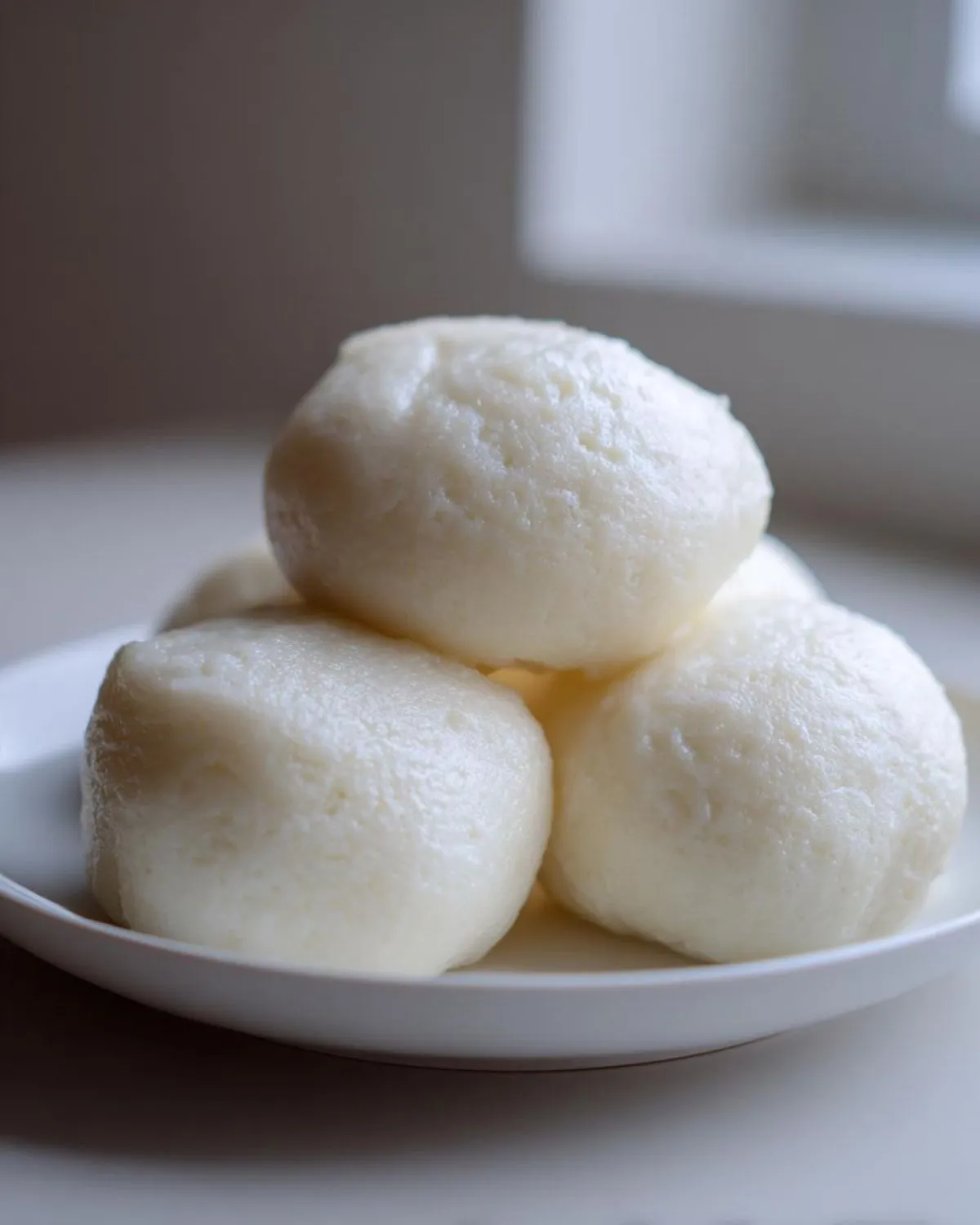
Now, keep adding the rest of your flour little by little, stirring and folding vigorously. You need to work that dough against the sides of the pot for a good five to eight minutes. Keep mixing until the whole mass starts pulling away cleanly from the pot sides. When it looks smooth, shiny, and it holds its shape well—that’s how you know you’ve made perfect **fufu**! If it seems too stiff, grab that hot water just to moisten it a tiny bit more.
Tips for Success When Making Fufu
Honestly, the first few times I tried making **fufu**, I had issues! It’s all about tweaking the consistency, which is why this **Homemade Fufu tutorial** focuses on what to do *after* you think you’re done mixing. Don’t worry if your initial dough feels strange; it’s totally fixable. Remember, this dough doesn’t forgive being under-mixed, but it’s very forgiving if you need to adjust the water or flour balance at the end.
If your dough ends up too stiff—like trying to mix concrete—slowly add hot water, a tablespoon at a time, while folding it in firmly. Don’t rush this adjustment! If it’s too soft or sticky, add just a small sprinkle more of your cassava flour and continue working it through. The key thing to remember is that **fufu** firms up fast as it cools. You absolutely must serve it right out of the pot! Seriously, shape those balls and get them on plates immediately because reheating later is never quite as nice as that first warm, smooth serving.
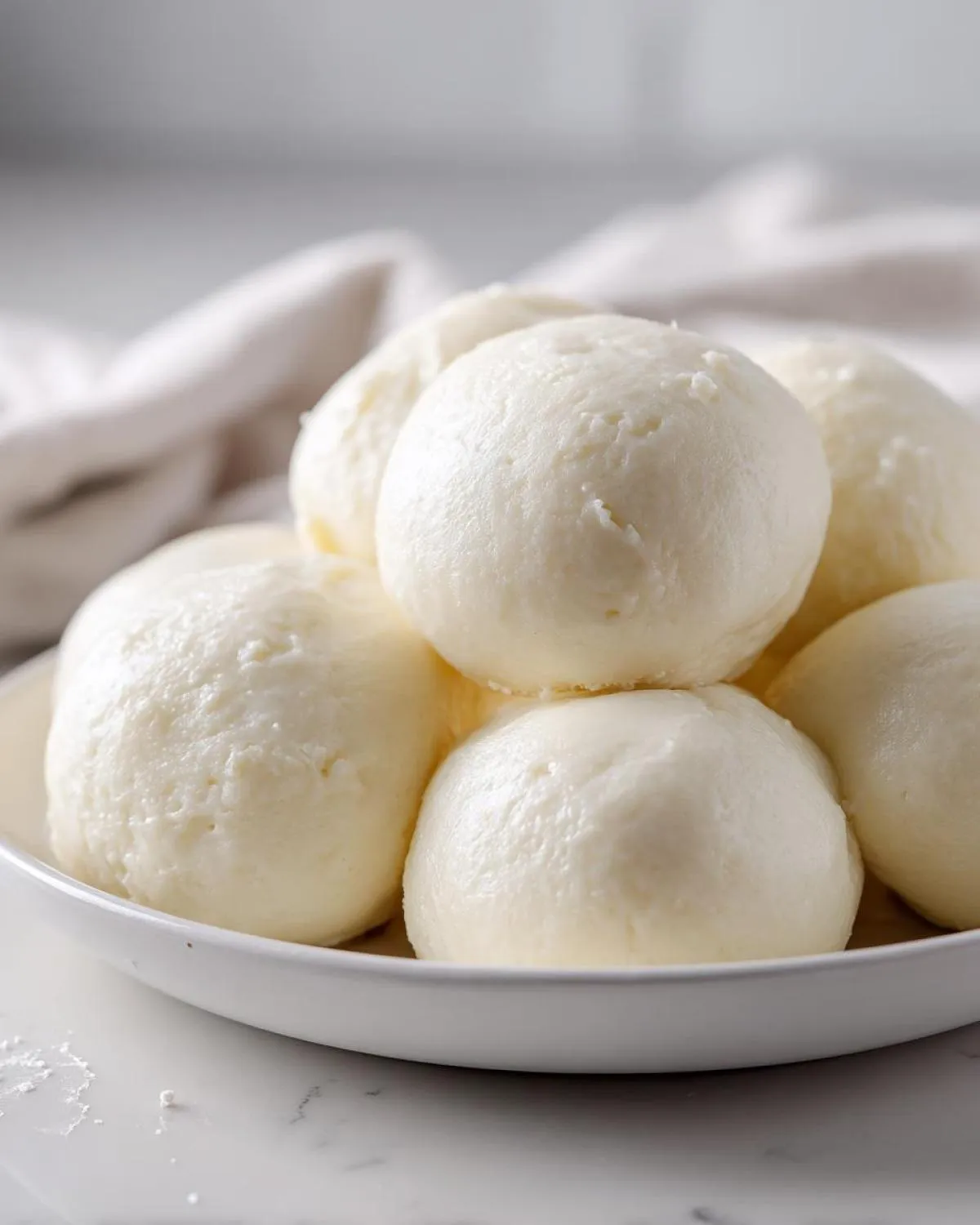
For more amazing tips and learning how others approach this fantastic **swallow food recipe**, check out this other great resource on making authentic fufu!
Essential Fufu Pairings: Best African Soups and Fufu
You’ve mastered the dough—now what do you eat with this perfectly smooth **fufu**? This is where the real party starts! **Fufu** itself is mild, which is why it’s such a fantastic vehicle for texture and spice. If you browse Pinterest for ideas, you’ll see tons of inspiration for delicious pairings, but you absolutely must start with a fantastic soup or stew. Nothing compares to scooping up rich aromas with your **fufu**.
For the ultimate West African experience, you simply have to try it with Egusi Soup. It’s the classic match for a reason! The nutty, savory flavors contrast so beautifully with the plain dough. You can find an amazing recipe for that hearty stew right here: Egusi Soup and Fufu Masterclass. Other great options include peanut soup or vegetable stews. These **Best African soups and Fufu** combinations create a meal that is just unbelievably hearty.
Serving Your Fufu for the Ultimate Comfort Food Africa Experience
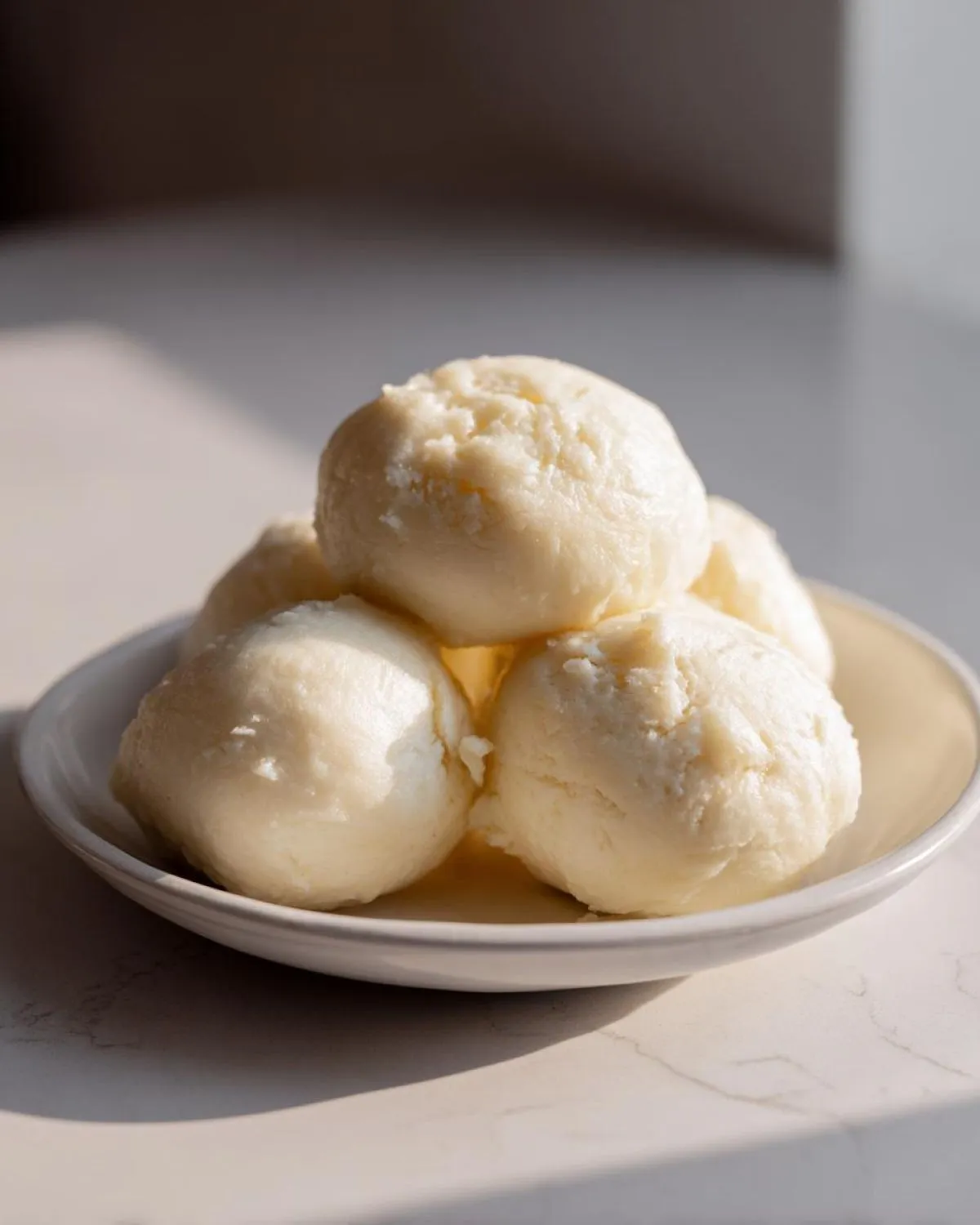
When the **fufu** is ready, you need to work fast! While the dough is still warm and pliable, moisten your hands with a little bit of water or neutral oil to keep it from sticking. Scoop out a portion and roll it quickly between your palms until you have a neat, smooth ball. This delicious starch is true **Comfort food Africa**, meant to be eaten with your hands, dipped right into that flavorful soup!
Storage and Reheating Instructions for Leftover Fufu
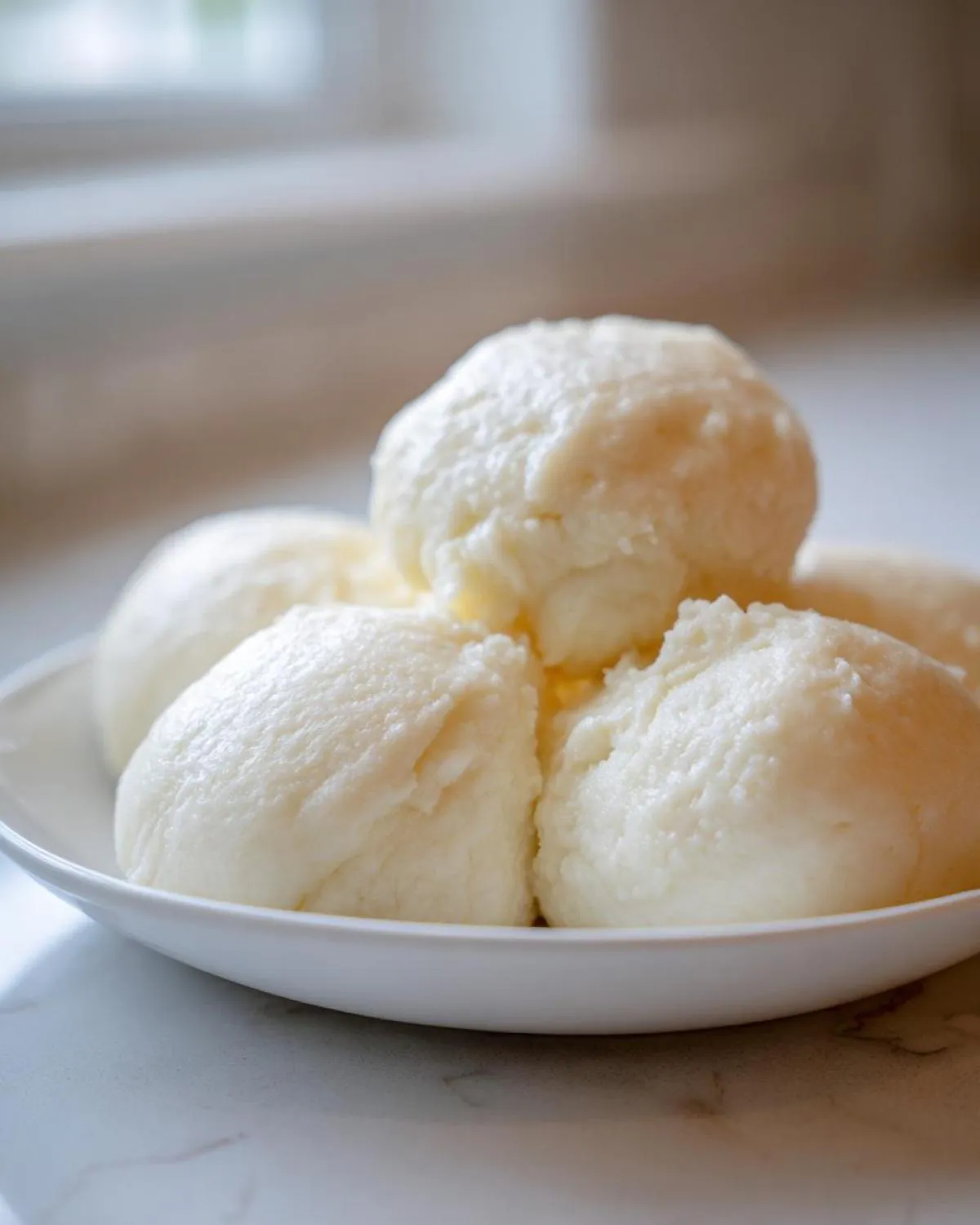
Okay, let’s be real. Sometimes you just can’t eat four servings of delicious **fufu** in one sitting! Here’s the thing you need to know: **fufu** doesn’t love sitting out overnight; it gets hard! If you have leftovers, wrap the balls tightly in plastic wrap or put them in an airtight container. Don’t let them dry out in the fridge, though!
To bring your leftover **fufu** back to life, you need steam. Don’t try microwaving it dry—you’ll just get a rock! Instead, put a small amount of water in a microwave-safe bowl, cover it tightly (or lightly cover with a damp paper towel), and heat it up gently until it’s warm through. That steam reintroduces the moisture, making it soft enough to enjoy with your soup again. It really is the best way to handle this **swallow food recipe**!
Understanding Fufu: An African Staple Food
If you’re new to **West African cuisine**, you might be wondering exactly what **fufu** is aside from a fantastic side dish. Think of it like this: it’s the essential component that makes the meal complete! **Fufu** is an incredibly important **African staple food**, often referred to as a ‘swallow food’ because of how you eat it. You don’t chew it so much as you scoop the soup or stew with a small piece of the dough and swallow it all together in one perfect bite.
This experience is deeply cultural and incredibly comforting. It’s the base that soaks up all the incredible, bold flavors from dishes like Egusi or Groundnut soup. Understanding its role as the primary vehicle for flavor really helps you appreciate the effort we put into getting that dough perfectly smooth. If you want to read more about the subtle flavor profile of this amazing food, check out this helpful piece about what fufu actually tastes like!
Frequently Asked Questions About Making Fufu
When you’re learning a new technique, especially for something as fantastic as **fufu**, questions pop up! I totally get it. I’ve gathered the ones I get asked the most so we can clear everything up right now. Forget stressing about getting this right; you’ve got the best guide here!
Can I use a Pounded Yam Substitute for this Fufu recipe?
Absolutely! That’s why I love this cassava flour approach. If you don’t have the time or energy for traditional yam pounding, pure cassava flour works wonderfully as a complete **Pounded yam substitute**. It gives you that essential smooth texture without the manual labor needed for true pounded yam.
How thick should the Fufu actually be while cooking?
While it’s cooking, it’s going to look like a very thick paste initially, almost like cooked oatmeal but much stiffer. But remember, once you get to the vigorous mixing stage, it firms up significantly! It should be dense enough to require some serious stirring and should pull away cleanly from the sides of your pot. If it’s too thin to form a ball after mixing, you’ll need a bit more flour, so always keep some handy!
Can I use regular all-purpose white flour instead of Cassava Flour?
Oh, please don’t! Regular all-purpose flour just won’t give you the right elasticity or flavor profile needed for traditional **fufu**. You need that starchy base that Cassava, Yam, or Plantain flour provides. Trying white flour usually results in a gummy, unpleasant texture that won’t hold its shape and doesn’t have that signature “swallow” quality. Stick to authentic flour for the best results!
What is the best way to serve this Fufu recipe?
This is where our Fufu recipe shines! Always aim for immediate service. Scoop the warm dough into individual portions and shape them into smooth balls. Place one ball in each person’s bowl, and then ladle your soup right next to it, or poke a small well in the center for the soup to sit in. That way, everyone can pinch off pieces to scoop up their meal!
Sharing Your Homemade Fufu Creations
Wow, you made it! You tackled the stirring, you fought the dough stiffness, and you successfully created gorgeous, smooth **fufu**. I am so proud of you! Now, the best part: eating it with your favorite soup. When you sit down to enjoy that incredible meal, I really want to know how it turned out!
Did this method give you the soft batch you were dreaming of? Did you pair it with Egusi or something else? Please take a picture of your delicious **fufu**—I love seeing how everyone’s home cooking turns out! Tag me on social media when you share those snaps. It genuinely makes my day to see my recipes bringing **West African cuisine** right to your table. For another fun look at how others serve this at Chef Lola’s Kitchen, check this out!
Also, if you enjoyed this tutorial on making quick **fufu**, hop over and follow our Pinterest page! We constantly pin new inspiration for authentic international dishes and amazing soup pairings like the one you just learned how to make. You can see all our latest finds over at our main Pinterest board! Don’t forget to come back and rate this **fufu recipe** below so new cooks know they can conquer this dish too!
PrintAuthentic West African Fufu Recipe: Smooth and Satisfying

Learn how to make soft, smooth Fufu, the essential African staple food, using a simple method perfect for beginners. This dough pairs wonderfully with your favorite African soups and stews.
- Prep Time: 5 min
- Cook Time: 15 min
- Total Time: 20 min
- Yield: 4 servings 1x
- Category: Side Dish
- Method: Stovetop Cooking
- Cuisine: West African
- Diet: Vegetarian
Ingredients
- 2 cups Cassava Flour (or Yam Flour/Plantain Flour)
- 3 cups Water
- Pinch of Salt (optional)
Instructions
- Measure the water into a medium saucepan and bring it to a boil over medium-high heat.
- Once the water is boiling, reduce the heat to low.
- Slowly sprinkle about 1/4 cup of the cassava flour into the hot water while stirring constantly with a wooden spoon or spatula. This prevents lumps.
- Continue stirring until the mixture thickens slightly, forming a loose paste.
- Gradually add the remaining cassava flour, a little at a time, stirring vigorously and continuously. You need to mix hard to incorporate the flour fully and achieve a smooth dough consistency.
- Keep stirring and folding the dough against the side of the pot for about 5 to 8 minutes until it becomes smooth, pliable, and pulls away cleanly from the sides of the pot. This is the key to achieving restaurant-quality Fufu.
- If the dough is too stiff, add a tablespoon of hot water and continue mixing. If it is too soft, add a tiny bit more flour and mix well.
- Remove the dough from the heat. Divide the dough into desired serving sizes.
- Moisten your hands with a little water or oil. Roll each portion into a smooth, round ball.
- Serve your homemade Fufu immediately with Egusi Soup, Peanut Soup, or your preferred hearty African stew.
Notes
- For a gluten free African food option, ensure you use pure cassava flour.
- To get that perfectly smooth Fufu dough texture, use a sturdy wooden spoon and apply firm pressure while mixing.
- This dough is the perfect vehicle for flavor when paired with bold global flavors like those found in Egusi Soup.
Nutrition
- Serving Size: 1 ball
- Calories: 220
- Sugar: 0.5
- Sodium: 5
- Fat: 0.2
- Saturated Fat: 0.1
- Unsaturated Fat: 0.1
- Trans Fat: 0
- Carbohydrates: 50
- Fiber: 3
- Protein: 2
- Cholesterol: 0